
Most people treat stress as a psychological burden, but it is fundamentally a biological event. When your body enters a state of 'panic,' you are experiencing sympathetic nervous system dominance—a survival mechanism that is invaluable during a predator attack but catastrophic when triggered by a stressful email or a chaotic commute. The goal is not to eliminate stress entirely, but to build autonomic flexibility. This means having the capacity to spike into high-alert mode when necessary and, more importantly, the ability to snap back to a restorative state almost instantly. Why do some high-performers remain calm under extreme pressure while others crumble? The difference lies in their autonomic tone.
Prerequisites: What You Will Need
- A quiet environment for the initial 10-minute reset phase.
- A basic method for tracking breath rate (a stopwatch or a simple counting method).
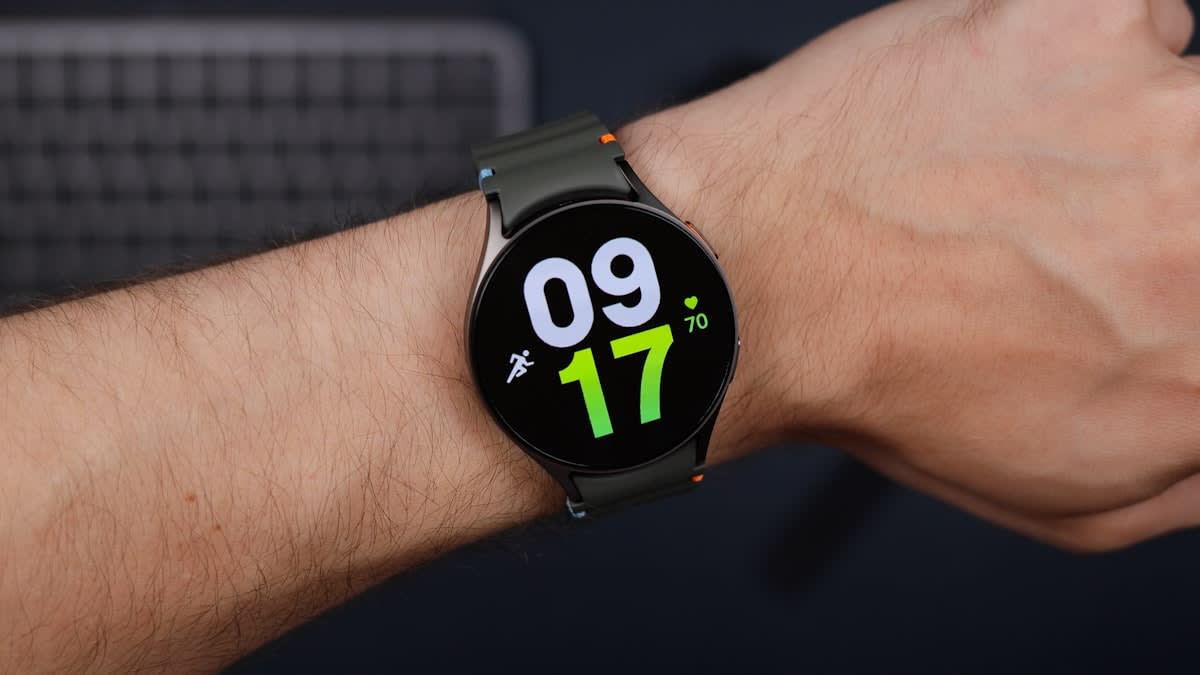
- Optional: A wearable device capable of measuring Heart Rate Variability (HRV) to track coherence.
- A commitment to 'active recovery'—the understanding that resting is a skill, not a passive state.
Before diving into the protocol, you must understand the metric of success: Heart Rate Variability (HRV). Unlike your heart rate, which measures beats per minute, HRV measures the variation in time between each heartbeat. A high, coherent HRV indicates a nervous system that is resilient and adaptable. Conversely, a jagged, erratic rhythm is a hallmark of autonomic dysregulation, often seen in professionals facing chronic occupational trauma (Source: HeartMath, 2026). We are moving from the latter to the former.
The Step-by-Step Reset Protocol
This protocol is designed as a tiered system. We begin with the most accessible biological 'lever'—the breath—and move toward more complex environmental interventions. Each step builds upon the last to stabilize your baseline.
- Phase 1: Immediate Down-Regulation. Begin by slowing your respiration to fewer than 10 breaths per minute. This specific threshold is the biological switch that reliably shifts the body toward parasympathetic, rest-and-digest activity (Source: Pulsetto, 2026). Use a slow inhale and an even longer exhale for five to ten minutes. This is not about 'relaxing' in a vague sense; it is about utilizing a physiological trigger to signal safety to the central nervous system.
- Phase 2: Establishing HRV Coherence. Once the breath is stabilized, focus on creating a smooth, balanced heart rhythm. Coherence occurs when the heart's beat-to-beat rhythm becomes high in amplitude and sinusoidal rather than jagged. This state directly interrupts the cycle of maladaptive coping and reduces the impulse drive associated with high-stress states (Source: HeartMath, 2026).
- Phase 3: Dynamic Stress Loading. To ensure this reset lasts, you must introduce acute, controlled stressors. Engage in a bout of exercise that temporarily withdraws parasympathetic activity and increases sympathetic drive. The magic happens in the recovery phase: the speed and efficiency with which your HRV returns to baseline reflects your autonomic flexibility (Source: Frontiers in Physiology, 2026).
- Phase 4: Environmental Optimization. For those seeking a deeper reset, integrate external modalities. This includes vagus nerve stimulation, cryotherapy, or hot-cold therapy to force the system into a state of adaptation. High-end protocols now utilize multi-wavelength light therapy and sound-based stimulation to support this recovery (Source: Athletech News, 2026).

The transition from Phase 2 to Phase 3 is where most people fail. They seek a permanent state of 'calm,' which is actually a sign of low resilience. True performance is not the absence of stress, but the ability to navigate it. By intentionally spiking your system through exercise and then monitoring the recovery dynamics, you are essentially 'weightlifting' for your nervous system. This phase-dependent modulation is a critical indicator of regulation, especially as we age and naturally lose some of this innate adaptability (Source: Frontiers in Physiology, 2026).
"HRV coherence biofeedback retrains the nervous system, giving law enforcement professionals a practical, science-backed tool to reset under pressure, curb maladaptive coping, and protect their long-term health and career."— HeartMath Institute, Clinical White Paper for the Los Angeles County Sheriff’s Department
When we look at the most advanced recovery environments today, we see a convergence of neuroscience and luxury. The integration of Sleep Labs and biometric tracking via tools like the Eight Sleep Pod 5 allows for a wake-up routine that mimics the light and temperature of sunrise, further stabilizing the circadian rhythm which underpins the autonomic system (Source: Athletech News, 2026). While not everyone has access to a dedicated Sleep Lab, the principle remains: controlling your environmental inputs—light, temperature, and sound—reduces the cognitive load on your nervous system.
The Practitioner's View: The Great Recovery Debate
In the trenches of performance coaching, there is a constant friction between the 'passive recovery' camp and the 'active training' camp. One group argues that the goal is total sedation—dark rooms, IV drips, and silence. The other group, where I lean, argues that the nervous system is a muscle that requires progressive overload. We debate whether a high-cost 'Ammortal Chamber' with red light therapy is truly superior to a cold plunge and a 10-minute slow-breathing session. The reality is that the tools are just amplifiers. If you haven't mastered the internal lever of the breath, a million-dollar spa is just a fancy place to be stressed. The real work happens in the transition from the peak of a stress response back to the baseline.
Common Pitfalls to Avoid
Many practitioners make the mistake of treating the 'reset' as a one-time event. You cannot 'fix' your nervous system in a single session. The most common error is ignoring the recovery dynamics following exercise. If you push your body into a sympathetic spike but fail to implement the down-regulation techniques described in Phase 1, you are simply adding to your total allostatic load. This creates a state of chronic dysregulation rather than resilience.
- Over-reliance on wearables: Using data as a source of stress rather than a guide for recovery.
- The 'Calm' Trap: Attempting to stay in a parasympathetic state 24/7, which leads to lethargy and reduced cognitive sharpness.
- Skipping the Breath: Jumping straight to expensive tech (like VNS devices) without mastering the basic 10-breaths-per-minute threshold.
- Ignoring Sleep Hygiene: Trying to reset the ANS while maintaining a fragmented sleep schedule.
Fact-Check & Accuracy Note
Key claims regarding slow breathing thresholds (<10 bpm) are sourced from Pulsetto (2026). Data on HRV coherence in high-stress professions is attributed to the HeartMath Institute (2026). Findings on exercise-induced autonomic flexibility and recovery dynamics are based on research published in Frontiers in Physiology (2026). Information regarding advanced recovery modalities is sourced from Athletech News (2026). Ongoing debate exists regarding the comparative efficacy of high-tech environmental chambers versus basic physiological interventions.
Editorial Note
Editorial Note: This guide is intended for educational purposes and focuses on physiological optimization. It is not a substitute for clinical treatment of anxiety or autonomic disorders. Always consult a medical professional before beginning a new intensive exercise or temperature-therapy regimen.