Chhattisgarh archaeological site gets a step closer to UNESCO World Heritage status
Source Entity
Jayprakash S Naidu
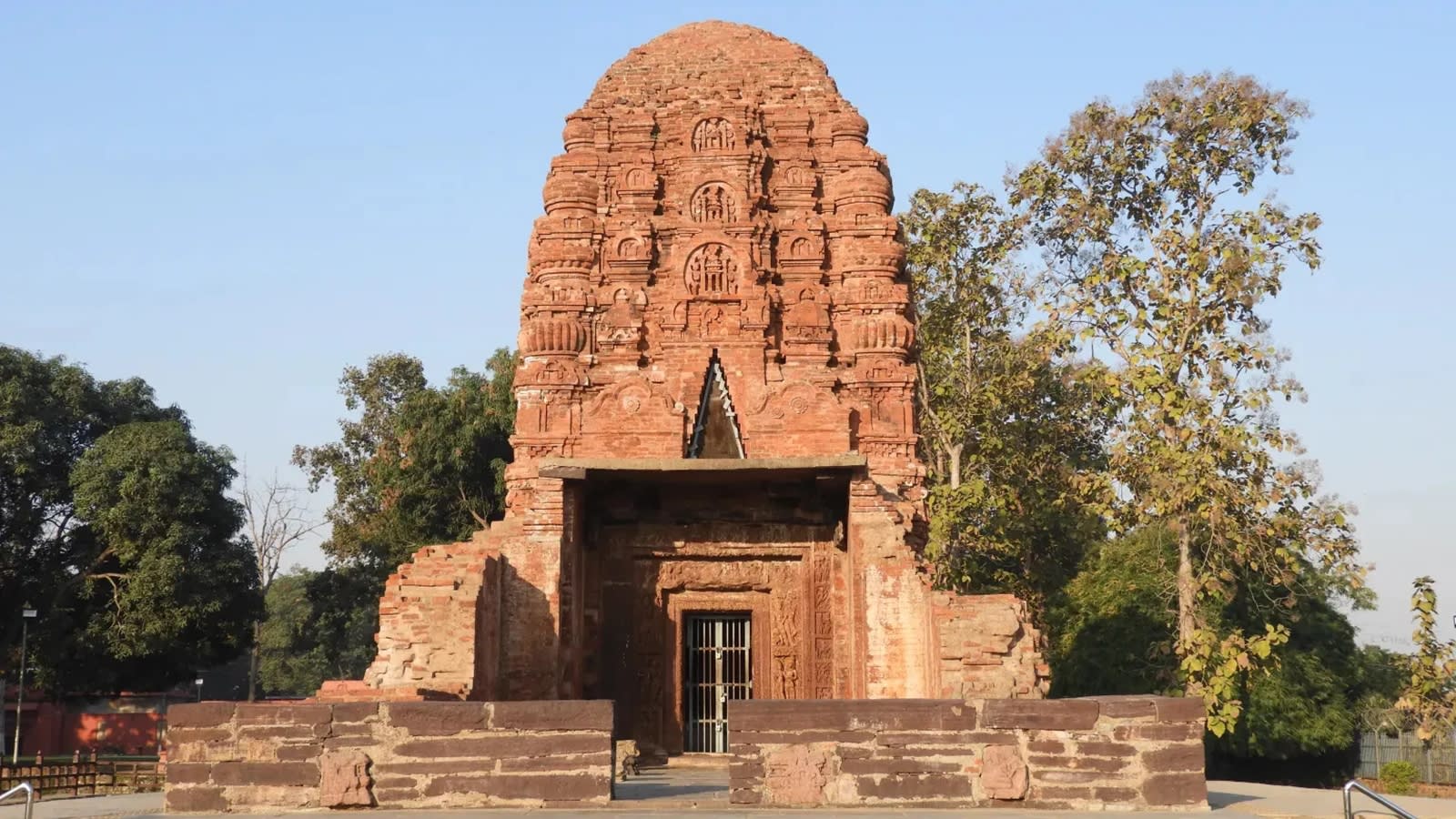
The archaeological site of Sirpur in Chhattisgarh has been added to UNESCO's tentative list for World Heritage status. Authorities are now preparing a detailed dossier to demonstrate the site's Outstanding Universal Value.
Sirpur: A New Contender for UNESCO World Heritage Status
The archaeological site of Sirpur, located in the Mahasamund district of Chhattisgarh, has officially moved closer to international recognition after being added to the UNESCO tentative list. This milestone represents a significant achievement for the preservation of India’s cultural heritage, highlighting a site that serves as a testament to the coexistence of diverse religious traditions spanning from the 5th to the 12th century CE.
A Melting Pot of Ancient Traditions
What distinguishes Sirpur from many other historical locations is its unique architectural and spiritual tapestry. The remains found on the site provide evidence of a sophisticated society where Hinduism, Buddhism, and Jainism flourished side-by-side. This syncretic history offers invaluable insights into the social and religious dynamics of ancient India, suggesting a period of sustained cultural exchange and pluralistic architectural development along the banks of the Mahanadi River.
Geographic and Historical Significance
Situated on the eastern banks of the Mahanadi River, Sirpur is geographically positioned within a region rich in history and potential for further discovery. Being located just a two-hour drive from Raipur, the site is accessible to both researchers and tourists. The temporal span of its remains—ranging from the 5th to the 12th century—allows archaeologists to map the evolution of Indian temple architecture and urban planning over seven centuries, providing a chronological narrative of regional development.
The Road to UNESCO Recognition
While inclusion in the tentative list is a celebratory moment, it is merely the first step in a rigorous bureaucratic and scientific process. The primary hurdle remains the preparation of a comprehensive dossier. This document must convincingly articulate the 'Outstanding Universal Value' (OUV) of the site. OUV is the bedrock of UNESCO’s criteria, requiring the state to prove that Sirpur possesses cultural significance so exceptional that it transcends national boundaries and is of common importance for present and future generations of all humanity.
Future Implications and Preservation
If Sirpur successfully achieves World Heritage status, the implications for the region would be profound. Beyond the prestige, such a designation often triggers increased federal and international funding for conservation, stricter protection mandates, and a boost in sustainable cultural tourism. This would necessitate a delicate balance between infrastructure development and the conservation of fragile 5th-century structures, ensuring that the site is not overwhelmed by the very foot traffic its status might attract.
Conclusion
The advancement of Sirpur to the UNESCO tentative list is a promising development that acknowledges the site's historical gravity. As authorities begin the arduous task of drafting the nomination dossier, the focus must remain on scientific integrity and long-term site management. Successfully navigating this process will not only secure Sirpur's place on the global map but also ensure the preservation of a rare historical landscape that embodies the spirit of ancient Indian religious harmony.