Marco Rubio’s India visit: Energy, trade, tech on table at meeting with Jaishankar today
Source Entity
Shubhajit Roy
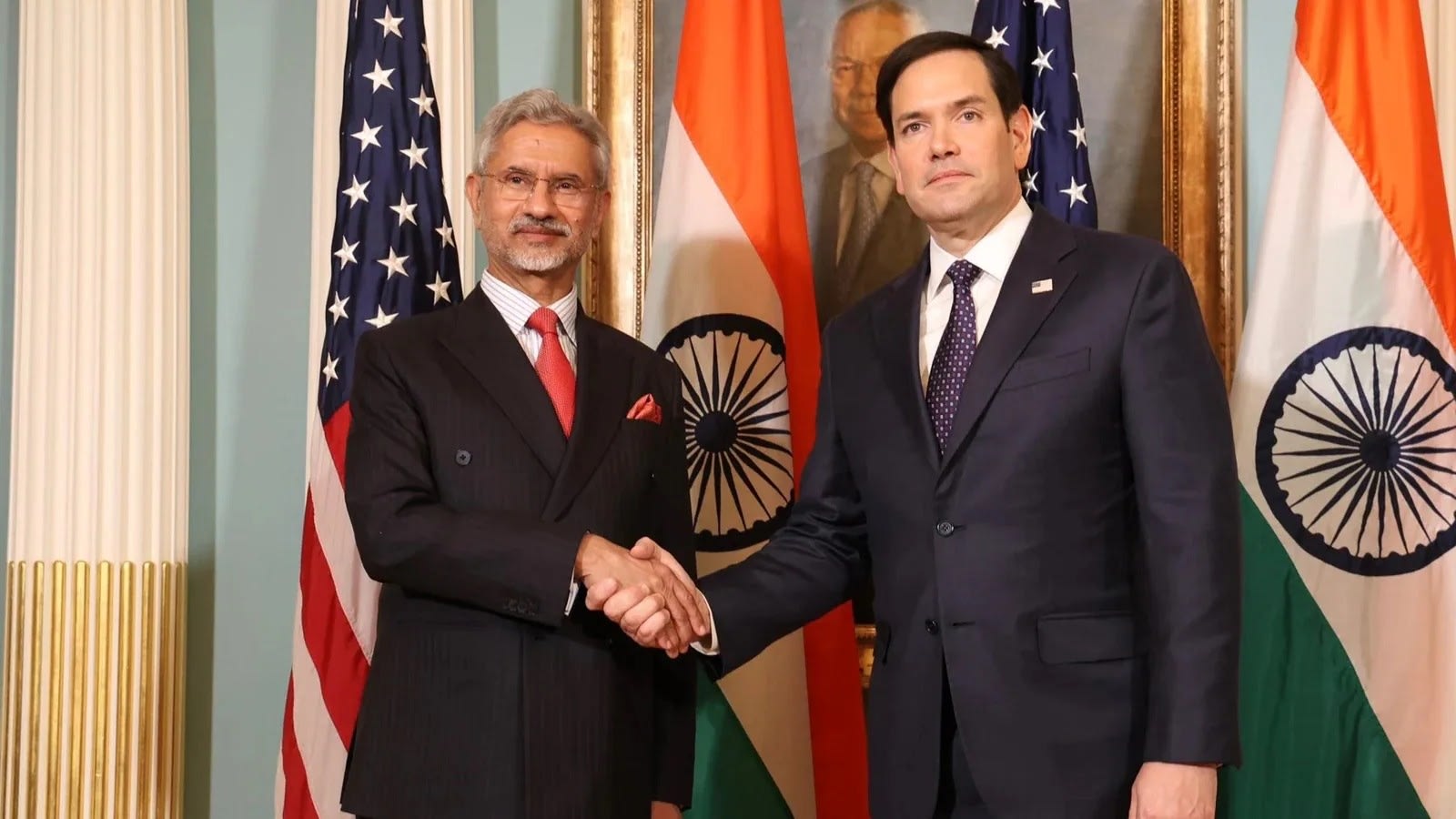
US Secretary of State Marco Rubio’s visit to India aims to stabilize bilateral relations amidst ongoing trade and visa tensions. The discussions centered on energy, technology, and strategic investment, including a high-profile visit to the Reliance Jamnagar refinery.
Strengthening the US-India Strategic Partnership
US Secretary of State and National Security Adviser Marco Rubio’s recent three-day visit to Mumbai and Jamnagar represents a critical diplomatic effort to recalibrate the relationship between Washington and New Delhi. Amidst recent turbulence during President Donald Trump’s second term—specifically concerning visa restrictions and tariff threats—Rubio’s presence is being interpreted as a deliberate move to restore stability. By engaging with both government officials, such as External Affairs Minister S. Jaishankar, and the Indian business elite, Rubio is signaling a multi-faceted approach to diplomacy that prioritizes economic and national security alignment.
The Jamnagar Nexus and Energy Security
A pivotal moment of the visit was the tour of Reliance Industries Limited’s (RIL) Jamnagar Refinery Complex. The facility’s unique capability to process heavy Venezuelan crude highlights its strategic importance to global energy markets. This interaction gains added significance given President Trump’s previously announced, albeit currently vague, plans for a $300 billion refinery project in the United States, which positions RIL as a potential partner in his industrial revitalization agenda. By focusing on energy, the visit bridges the gap between American industrial policy and India’s massive refining capabilities.
Diplomatic Weight and Future Implications
Rubio’s dual role as both Secretary of State and National Security Adviser is a rare concentration of power, reminiscent of the era of Henry Kissinger. This consolidation allows for a streamlined, albeit highly centralized, approach to foreign policy. Given Rubio’s long-standing history as a proponent of strong US-India ties and his status as a potential 2028 presidential candidate, India’s decision to invest heavily in this engagement is a calculated, long-term strategic bet aimed at ensuring continuity regardless of future American political cycles.
Trade, Technology, and Global Summits
Beyond energy, the agenda remains packed with critical issues including defense, emerging technologies, and a long-pending trade deal. The discussions in Mumbai serve as a essential precursor to Prime Minister Narendra Modi’s anticipated travel to the United States for the G20 leaders summit in December. By addressing the friction points of trade tariffs and visa policies now, both nations are attempting to clear the diplomatic slate to ensure the upcoming summit focuses on high-level cooperation rather than bilateral grievances.
Conclusion: A Path Toward Stability
The outreach to India’s corporate sector in Mumbai underscores that the US views India’s private sector as a primary engine for the broader bilateral partnership. If Rubio can successfully leverage these business ties to mitigate the current trade tensions, the foundation for the next two years of the Trump administration will be significantly more secure. Ultimately, this visit serves as a vital 'reboot,' demonstrating that despite periodic policy volatility, the structural necessity of the US-India relationship remains a priority for both capitals.
Multiple Citing Sources