Crackdown On Yamuna Polluters In Delhi, 3 Illegal Dhobi Ghats Sealed
Source Entity
NDTV News Search Records Found 1000
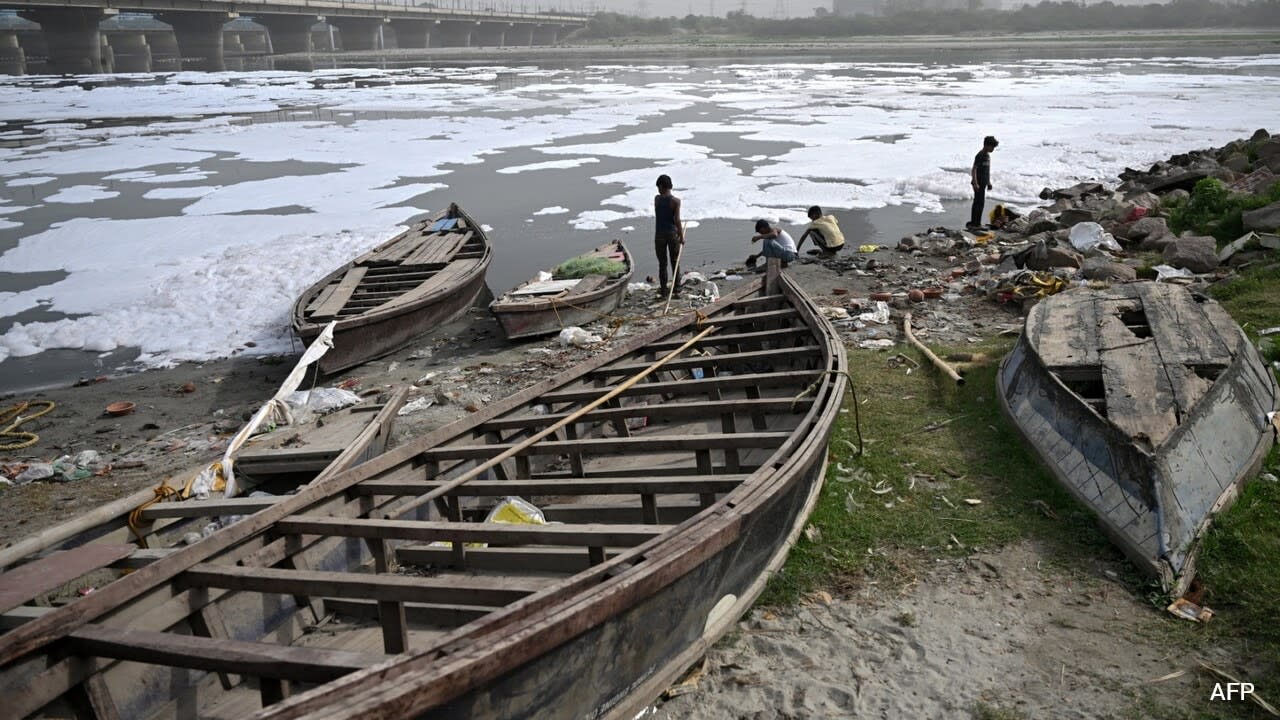
Delhi authorities have sealed three illegal dhobi ghats to prevent the discharge of untreated wastewater into the Yamuna River. This action is part of a broader crackdown aimed at curbing industrial and commercial pollution in the city's primary water source.
Crackdown on Yamuna Pollution: Addressing Illegal Dhobi Ghats
The Immediate Enforcement Action
In a significant move to address the chronic degradation of the Yamuna River, Delhi authorities have initiated a targeted crackdown on illegal commercial activities along its banks. The recent sealing of three illegal 'dhobi ghats' (laundry stations) marks a firm stance against the unregulated discharge of untreated wastewater into the river system. By physically closing these operations, officials are aiming to mitigate the immediate chemical and organic load being introduced into the Yamuna, which has long struggled with extreme pollution levels.
The Impact of Untreated Wastewater
Dhobi ghats are traditional hubs for commercial laundry services, yet when they operate without proper sewage treatment infrastructure, they become significant point-sources of pollution. The soap, detergents, and synthetic chemicals used in these facilities are often flushed directly into the Yamuna. These substances significantly increase the biological oxygen demand (BOD) and introduce surfactants that destroy aquatic life and exacerbate the formation of the toxic foam frequently seen on the river's surface. The mandate for these operators to cease discharge is a critical step in managing the city's water quality.
Historical Context and Regulatory Challenges
The pollution of the Yamuna is not a new phenomenon; it is the result of decades of rapid urbanization and industrial growth that outpaced the development of sewage treatment plants (STPs). Historically, the river has served as a dumping ground for both industrial effluents and domestic sewage. The challenge for Delhi’s administration lies in the fact that many of these polluting units operate in informal or unauthorized sectors, making enforcement a complex task of balancing environmental protection with the livelihoods of those involved.
Broader Environmental Implications
Beyond the immediate toxicity, the health of the Yamuna is intrinsically linked to the ecological well-being of the National Capital Region. The river serves as a major source of water supply, and its contamination necessitates expensive and energy-intensive treatment processes before the water can be deemed potable. By targeting smaller, illegal operators alongside larger industrial polluters, the government is attempting a multi-pronged approach to restore the river’s natural filtration capabilities and improve overall water security.
Future Trends and Sustainable Solutions
Looking ahead, the sustainability of this crackdown depends on the transition toward formalized, eco-friendly laundry infrastructure. For such enforcement to be effective long-term, the city must provide alternative, centralized facilities where wastewater can be treated through standardized sewage treatment protocols before being released. Future trends suggest a shift toward stricter compliance monitoring and the possible integration of decentralized treatment units near traditional washing hubs to prevent future illegal dumping.
Concluding Summary
The sealing of these three dhobi ghats serves as a microcosm of the larger struggle to save the Yamuna. While enforcement actions are necessary to curb immediate pollution, the long-term solution lies in systemic infrastructure upgrades and stricter oversight of commercial waste disposal. Through consistent monitoring and the provision of sustainable alternatives, the administration hopes to reverse the damage inflicted upon this vital lifeline.
Verification Required?