
The modern lawn is an ecological vacuum. For decades, we have been conditioned to prize a monoculture of non-native grasses, maintained through a cocktail of synthetic nitrogen and obsessive shearing. It is, quite literally, a green desert. But what happens when we stop fighting nature and start engineering for it? Converting a lawn into a high-yield ecosystem isn't about letting your yard go wild; it is about strategic design. It is the difference between a neglected lot and a curated sanctuary. By shifting our perspective from 'maintenance' to 'stewardship,' we can transform a few hundred square meters into a critical corridor for pollinators and soil microorganisms.
The Toolkit: Prerequisites for Conversion
You cannot build a skyscraper on a swamp, and you cannot build a biodiversity hub on dead soil. Before you pull a single blade of grass, you need the right diagnostic tools. Most homeowners skip this phase, and that is where they fail. You need a comprehensive soil test to determine your pH, cation exchange capacity, and nutrient levels. Whether you are in the loamy soils of the Midwestern United States or the red clays of Southeast Asia, knowing your baseline is non-negotiable. You will also need a localized native plant registry—generic 'wildflower mixes' are often contaminated with invasive species that will choke out your progress.
- Soil Testing Kit (NPK and pH levels)
- Localized Native Plant Database (verified by regional botanical gardens)
- Organic Cardboard (brown, non-glossy for sheet mulching)
- High-quality organic compost (locally sourced to avoid introducing foreign pests)
- Hand tools: Broadfork, hula hoe, and a sturdy wheelbarrow
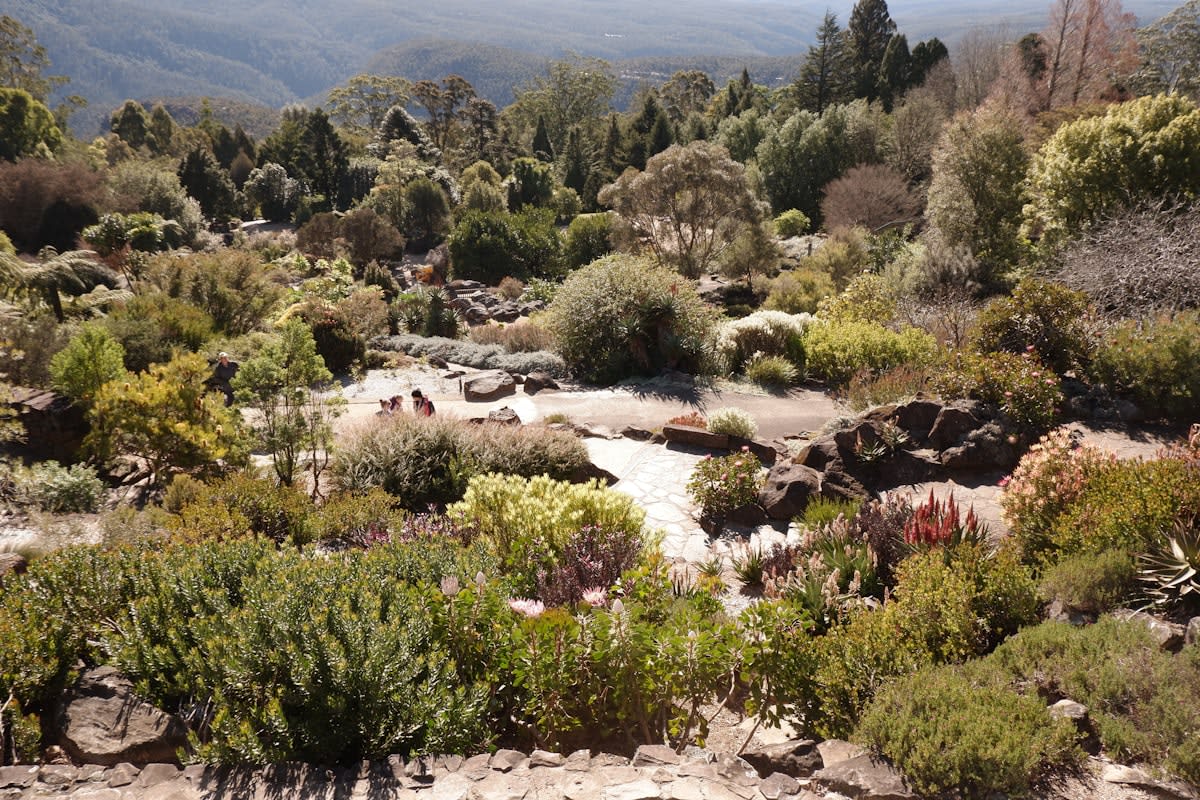
Once you have your tools, you need a map. I don't mean a sketch on a napkin. I mean a detailed analysis of sun exposure (solar mapping) and water movement. Where does the water pool after a heavy rain? Which corner of the yard gets the brutal afternoon sun? Understanding these micro-climates allows you to place plants where they will thrive without supplemental irrigation. This reduces your long-term workload and increases the resilience of the system.
The Blueprint: Step-by-Step Implementation
- Phase 1: The Great Clearance. Do not till your soil. Tilling destroys the fungal networks (mycorrhizae) that plants rely on for nutrient uptake. Instead, use 'sheet mulching.' Lay down thick layers of non-glossy cardboard over your grass to smother it, then top with 4-6 inches of organic compost and mulch. This suppresses weeds and feeds the soil biology simultaneously.
- Phase 2: Establishing the Canopy. Start with the largest elements. Plant native shade trees or large shrubs. These provide the structural 'skeleton' of your ecosystem. According to the IUCN (2023), diversifying vertical structure in urban gardens significantly increases the variety of avian species that utilize the space.
- Phase 3: The Understory and Shrub Layer. Fill the gaps beneath your canopy with berry-bearing shrubs and flowering perennials. Focus on 'keystone species'—plants that support the highest number of lepidoptera (butterflies and moths) larvae. In North America, this might be native oaks or cherries; in Europe, consider the Crataegus species.
- Phase 4: The Groundcover and Rhizosphere. Replace the remaining grass with low-growing native perennials, clover, or sedges. This 'living mulch' protects the soil from erosion and keeps the root zone cool, reducing water evaporation (Source: FAO, 2022).
- Phase 5: Water Integration. Install a rain garden or a small bioswale in the low-lying areas identified during your mapping. By directing roof runoff into these zones, you create a hydration hub for wildlife and prevent nutrient runoff from entering local waterways.
As a practitioner, I have spent years debating the 'messiness' of these systems with neighbors and clients. There is a persistent friction between ecological function and traditional aesthetics. The real debate in the field right now is about 'Cues to Care.' This is the idea that if you frame a wild, biodiverse area with a neat edge, a mown path, or a formal fence, people perceive it as intentional rather than neglected. When I first converted a client's lot in suburban London, the local council questioned the 'overgrowth.' The moment we added a clean gravel path and a few strategic signage plaques explaining the pollinator habitat, the narrative shifted from 'eyesore' to 'community asset.'
"The goal is not to recreate a pristine wilderness, but to create a functional surrogate. We are building biological bridges in a fragmented landscape."— Dr. Elena Rossi, Urban Ecology Lead at the Global Biodiversity Initiative
Water management is where most beginners stumble. They treat their garden like a potted plant, watering every zone equally. This is a mistake. A high-yield ecosystem should eventually be self-sustaining. By utilizing the Miyawaki method—planting densely and using organic mulch—you create a micro-climate that retains moisture far more effectively than a lawn ever could. Research suggests that densely planted native forests can grow up to ten times faster and be thirty times denser than traditional plantations (Source: Global Forest Watch, 2021).
Common Pitfalls to Avoid
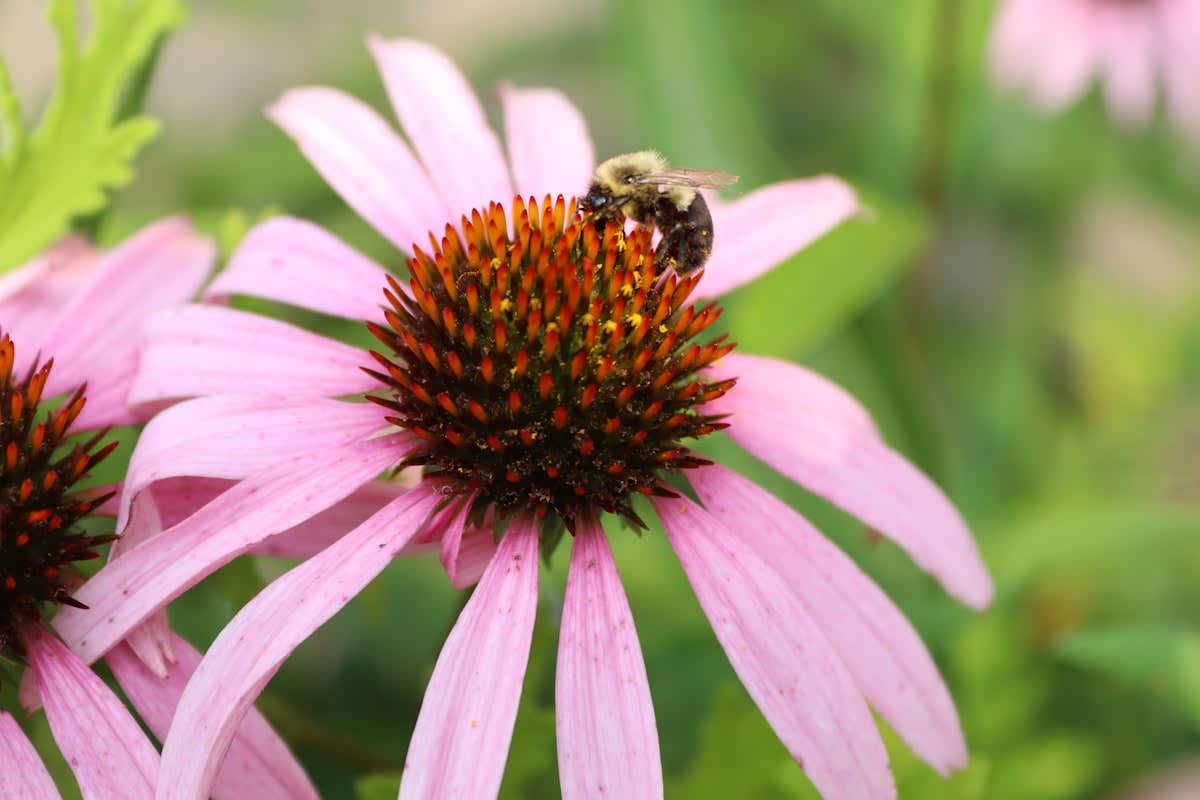
The most dangerous mistake you can make is buying 'native' plants from big-box retailers. Many of these are 'cultivars'—versions of native plants bred for color or size that have lost their ecological value. For example, a double-petaled flower may look beautiful, but it often lacks nectar or prevents bees from accessing the pollen. Always source from local nurseries that specialize in straight species. Another common error is the 'clean-up' impulse. Leaving dried stalks and leaf litter over winter provides critical nesting sites for solitary bees. If you rake everything clean in November, you are effectively evicting your workforce.
| Feature | Traditional Lawn | Biodiversity Hub |
|---|---|---|
| Water Requirement | High (Constant Irrigation) | Low (Rain-fed/Self-sustaining) |
| Soil Health | Depleted (Chemical Dependency) | Regenerative (Mycorrhizal Networks) |
| Wildlife Support | Negligible | High (Multi-taxa Support) |
| Maintenance | Weekly Mowing/Fertilizing | Seasonal Pruning/Monitoring |
Editorial Note
This guide focuses on the transition from monoculture to polyculture. While the steps are universal, the specific plant species must be tailored to your ecoregion. Always cross-reference your planting list with a local university or botanical garden to ensure you aren't introducing non-native genotypes.
Fact-Check & Accuracy Note
Key claims regarding the benefits of vertical structure and native plant density are sourced from the IUCN (2023) and Global Forest Watch (2021). The efficacy of sheet mulching over tilling is a standard tenet of permaculture documented by the FAO (2022). There is ongoing debate regarding the exact 'keystone' status of specific plants, as this varies by micro-region.