The Biohybrid Promise
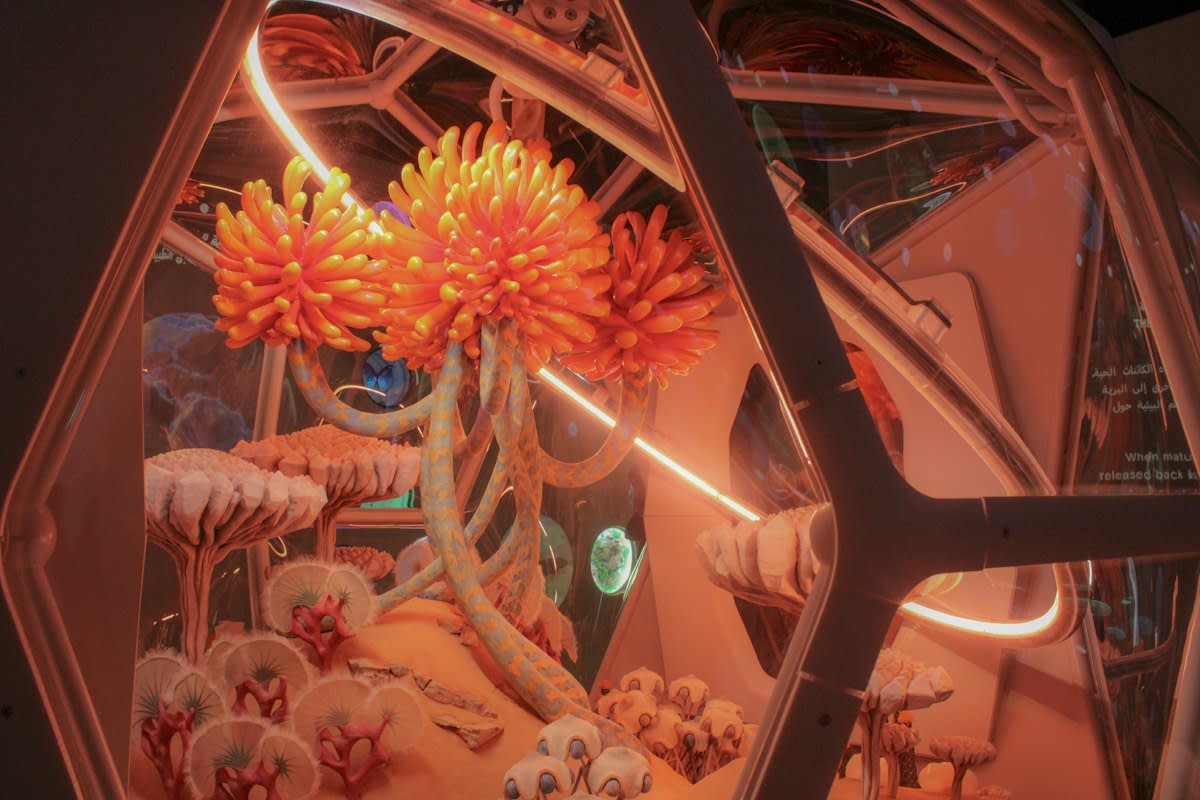
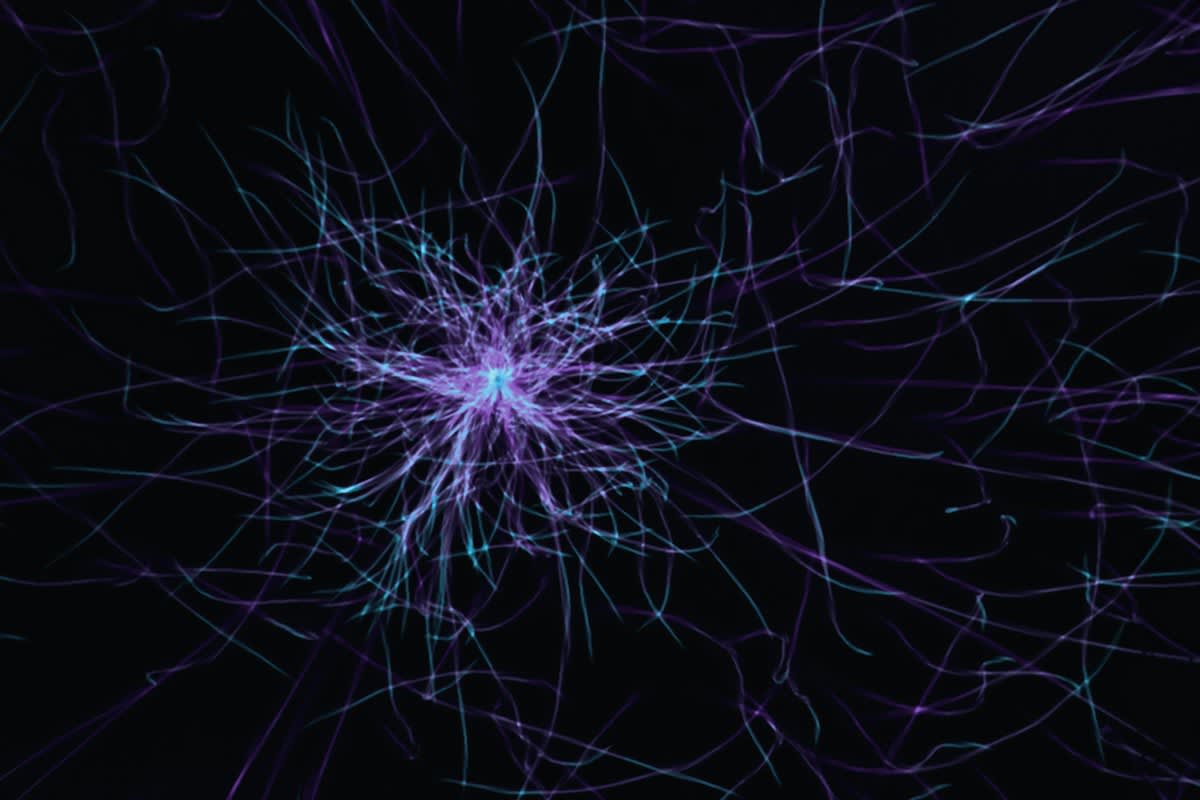
California hosted a breakthrough. 2024 saw Science Corporation unveil a biohybrid interface (Source: MIT Technology Review, 2026). Nerve cells grown on a digital chip sent axons to merge with animal neurons. Data suggest two-way communication is possible using the brain's own language. Skeptics argue animal success rarely mirrors human results.
Systemic Disjointedness
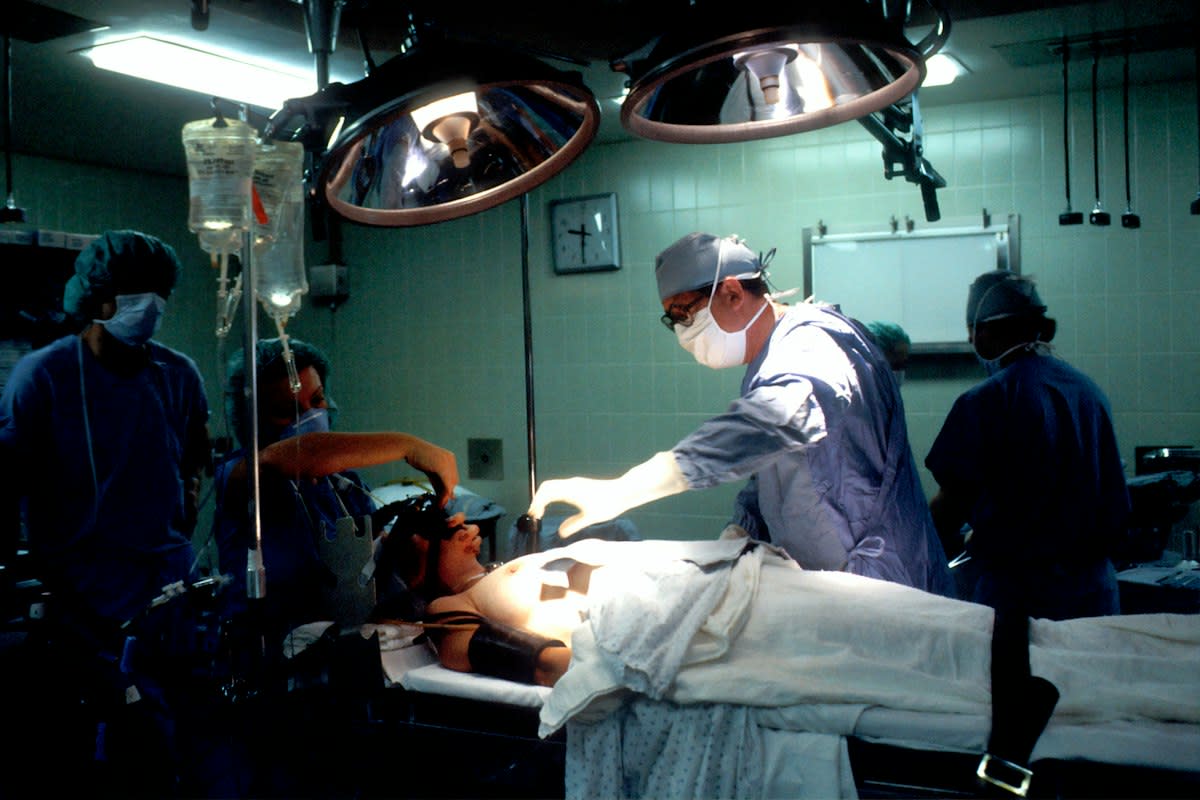
69 studies screened by researchers reveal that transplantation systems remain disjointed (Source: Patil & Patil, 2026). Infrastructure gaps create a barrier as wide as the donor shortage itself. Hospitals struggle with coordination among procurement organizations and transport systems. 512 records were originally searched to reach this conclusion (Source: Patil & Patil, 2026). Transport trucks often face delays that compromise organ viability.
| Organ Type | Ischemia Window | Primary Risk | Source |
|---|---|---|---|
| Heart | Few Hours | Graft Failure | Bioengineer.org, 2026 |
| Lung | Few Hours | Graft Failure | Bioengineer.org, 2026 |
| Kidney | Longer Window | Delayed Function | Bioengineer.org, 2026 |
Oxygen levels dictate survival. Hearts and lungs require transplant within a few hours to avoid graft failure (Source: Bioengineer.org, 2026). Kidneys offer a slightly longer shelf life, yet timing remains tight. Phone lines failing during coordination can end a patient's hope. Surgical teams must race against a clock that never stops.
"Transplantation systems remain disjointed, and the missing union of infrastructure, policy and technology is now as much of a problem as the shortage of donors itself."— Patil, R. Y., & Patil, Y. H., Frontiers in Transplantation
Neural Repair and Fusion
Fecal microbiota transplantation and adipose-derived stem cells offer a path for spinal cord injury (Source: Frontiers in Immunology, 2026). Researchers used the MGISEQ-2000 platform to sequence bacterial DNA (Source: Frontiers in Immunology, 2026). DNA extraction happened using the MagPure Stool DNA KF Kit B (Source: Frontiers in Immunology, 2026). Sequences were clustered into operational units to verify efficacy. Gut-brain axis interactions may eventually allow for better neural repair.
Kibera surgeons deal with reality far from lab reports. Chrome-cold instruments sit on trays while electricity flickers. Doctors argue over donor priority in hallways. Bureaucrats slow every move with paperwork. Hospital walls echo with the tension of failing equipment. Rust and scarcity define the ground-level reality in Nairobi.
Combined Organ Realities
Livers or lungs may require combined transplants (Source: Acibadem International, 2026). One organ replacement fails when multiple systems are too damaged to recover. Surgeons evaluate candidates for these layered procedures. Immunosuppressants must be balanced to avoid rejection. Organs from a single donor often cannot meet these layered needs.
Failure Point
Infrastructure gaps represent the primary failure point (Source: Patil & Patil, 2026). Spinal-cord fusion remains a theoretical goal rather than a clinical reality (Source: MIT Technology Review, 2026). Blood flow constraints for hearts and lungs limit the geographic reach of donors (Source: Bioengineer.org, 2026). Ethics boards block the progress of head transplants. Physical barriers in procurement systems ensure that biological fusion remains out of reach.
Editorial Perspective
Editorial Note: The distinction between bio-hybrid interface success in animals and human application is often minimized in press releases. Real-world implementation faces logistical hurdles that laboratory settings ignore.
Fact-Check
Fact-Check & Accuracy Note: Data regarding cold ischemia times and systemic disjointedness are sourced from 2026 publications. Neural chip data refers to 2024 Science Corporation prototypes. Spinal cord research utilized the MGISEQ-2000 sequencing platform.