Examination reforms: Nilekani panel considering question vault mechanism, digital delivery of paper at last minute to prevent leaks
Source Entity
Gayathri Mani
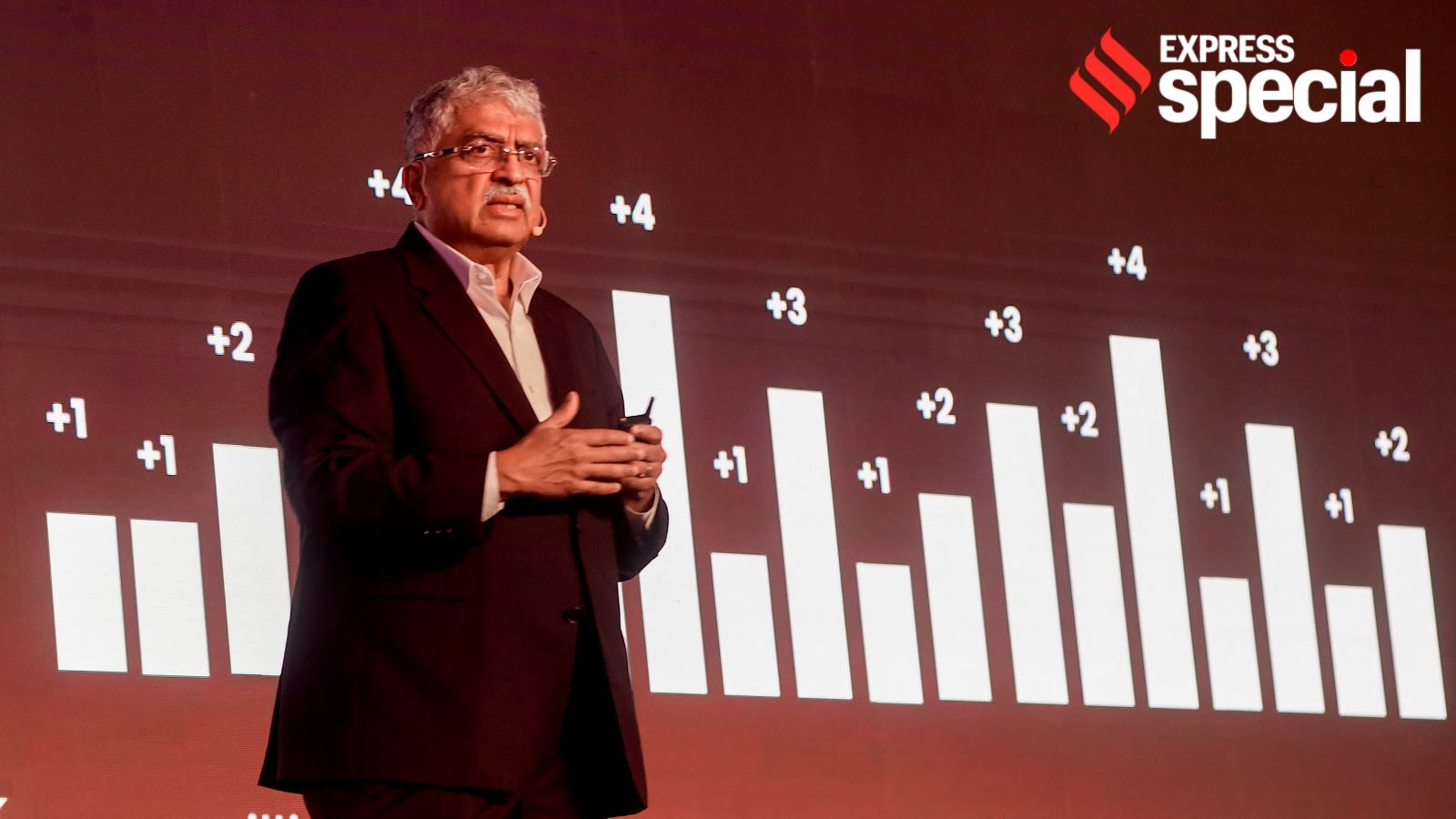
The Nandan Nilekani-led task force is proposing a secure 'question vault' and digital paper delivery to combat examination leaks. These reforms aim to decentralize exam management to enhance integrity and security.
Rethinking Examination Security: The Nilekani Task Force Proposals
The Shift Toward Digital Integrity
The integrity of national-level examinations in India has faced significant scrutiny following high-profile incidents such as the NEET-UG paper leak. In response, a six-member High Powered Task Force (HPTF) led by Nandan Nilekani has been convened to overhaul the existing assessment infrastructure. The core of their proposed strategy involves transitioning from static, vulnerable physical question papers to a dynamic, 'question vault' mechanism backed by highly secure software. By curating a massive repository of over one lakh questions—vetted throughout the year—the system aims to minimize the window of opportunity for bad actors to compromise exam content.
Last-Minute Digital Delivery
One of the most transformative aspects of the Nilekani panel’s proposal is the digital delivery of question papers only minutes before an examination begins. By eliminating the long-distance physical transit of paper materials, the HPTF addresses the primary logistical vulnerability where leaks frequently occur. This approach leverages modern encryption and secure server technology to ensure that the content remains inaccessible until the precise moment it is required, effectively neutralizing the risk of theft or unauthorized access during the distribution phase.
Decentralization and Accountability
Beyond technological fixes, the HPTF is advocating for the 'debundling' of examination-related responsibilities. Historically, the reliance on a single service provider to oversee the entire lifecycle of an exam—from center management to paper generation—has created a concentration of risk. The panel’s recommendation to separate these functions ensures that no single entity holds total control, creating a system of checks and balances that makes collusion significantly more difficult to execute.
Institutionalizing the Question Vault
The concept of a 'question vault' is designed to be a permanent, evolving asset. By populating this vault with a vast pool of vetted questions, the examination bodies can generate unique, randomized sets of papers for different candidates or sessions. This not only prevents mass leaks but also discourages the reliance on predictable question patterns, forcing students to rely on comprehensive knowledge rather than rote memorization of leaked modules.
Future Trends and Implementation
As the HPTF moves forward, the success of these reforms will depend on the robustness of the underlying digital infrastructure. If implemented correctly, this model could become the gold standard for high-stakes testing globally. The shift represents a fundamental move toward a 'zero-trust' architecture in academic testing, where every step of the process is verified and compartmentalized.
Conclusion
The proposals put forward by the Nilekani-led task force signify a necessary evolution in Indian education governance. By combining technological innovation with a structural overhaul of how exams are administered, the HPTF is addressing the root causes of systemic failure. While the transition will require significant investment in cybersecurity and digital literacy for exam centers, these measures are essential to restoring public confidence in the nation's competitive examination ecosystem.