Reduce tenure of government staff to create more job opportunities, suggests Kumaraswamy
Source Entity
The Indian Express
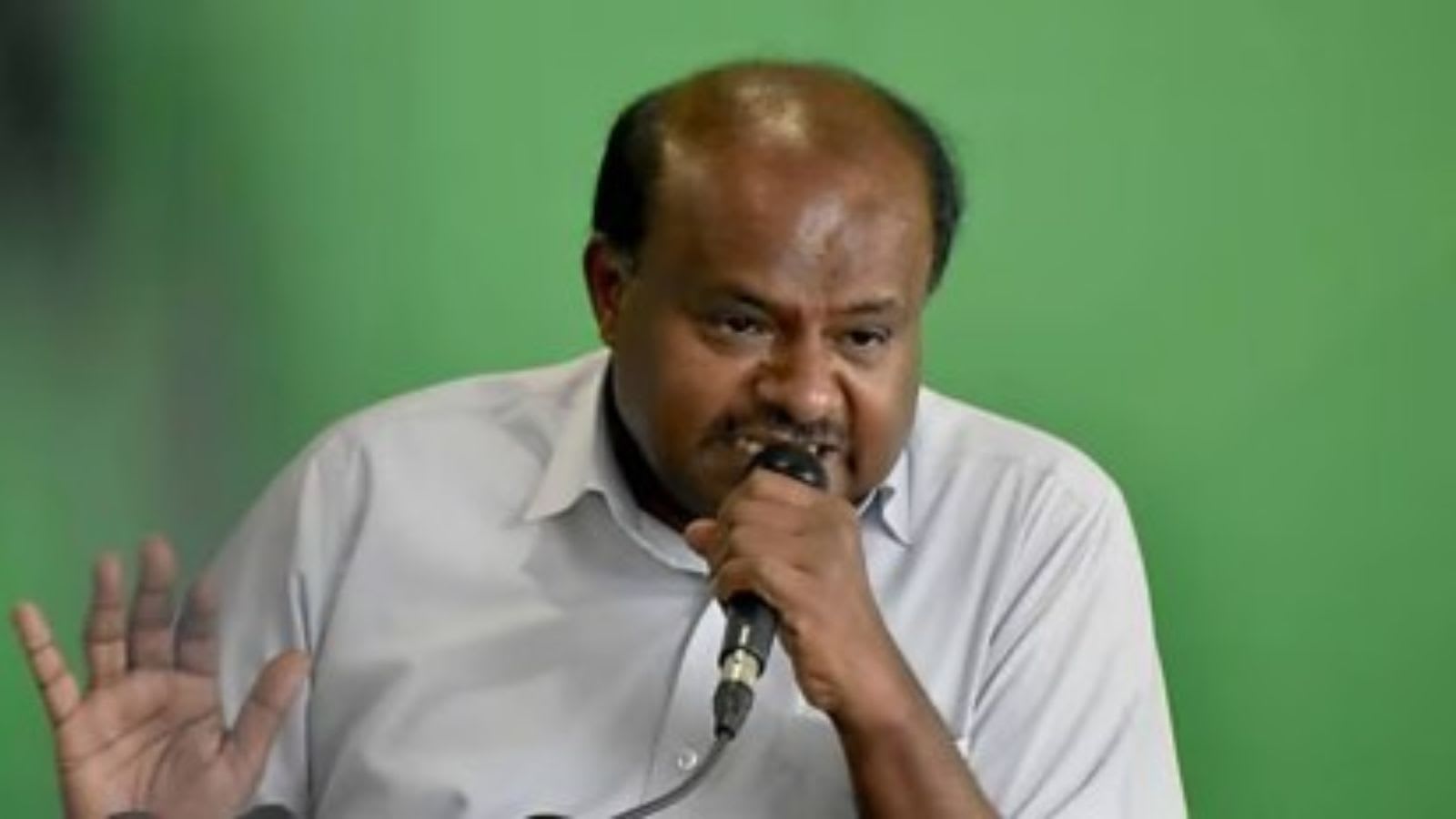
Union Minister H.D. Kumaraswamy has acknowledged a severe unemployment crisis among engineering graduates in India. To address this, he proposed reducing government employee tenures to 15-20 years to open positions for the youth.
Addressing India's Engineering Employment Crisis
Union Heavy Industries Minister H.D. Kumaraswamy recently brought national attention to a burgeoning socio-economic challenge during a public interaction in Bengaluru. By acknowledging the significant job crisis facing the nation, particularly among engineering graduates, the Minister highlighted a disconnect between official rhetoric regarding job creation and the harsh realities experienced by the youth on the ground. This admission underscores the growing pressure on government structures to absorb an increasingly educated, yet underemployed, demographic.
The Proposal for Tenure Reform
In an attempt to bridge the gap between supply and demand in the labor market, Kumaraswamy suggested a radical restructuring of civil service tenures. By proposing that government employees retire after 15 to 20 years of service—a significant reduction from the current standard of approximately 35 years—the Minister aims to accelerate the turnover rate within the public sector. The objective is to create a more dynamic recruitment pipeline that could theoretically allow thousands of unemployed engineering graduates to enter the workforce each year.
Contextualizing the Engineering Unemployment Gap
The Minister’s comments were prompted by direct interactions with graduates—ranging from computer and electronic to mechanical and AI engineers—who approach his office daily in search of employment. This influx of highly skilled individuals seeking government roles reflects a broader trend of degree-holders struggling to find private sector opportunities that match their qualifications. The reliance on public sector jobs as a primary source of stability remains a point of friction, as these roles are often heavily oversubscribed.
Implications of Recruitment Scams
This policy discussion unfolded against the backdrop of concerns regarding recruitment scams within the Karnataka Public Service Commission (KPSC). The integrity of the recruitment process is paramount for public trust; when youth perceive that pathways to government service are tainted by corruption, the sense of alienation among graduates intensifies. By addressing these scams alongside his tenure proposals, Kumaraswamy is attempting to tackle the systemic issues that prevent genuine talent from accessing public sector opportunities.
Future Trends and Challenges
If such a tenure reform were to be seriously debated, it would likely face significant legal, bureaucratic, and fiscal hurdles. Reducing the service period of government staff would require a massive overhaul of pension schemes and administrative structures. Furthermore, it raises questions about the loss of institutional memory and the long-term sustainability of the government's workforce strategy. However, the Minister’s willingness to propose such a shift signals a growing recognition that traditional employment models may no longer suffice for the scale of India's current youth unemployment crisis.
Conclusion
Ultimately, H.D. Kumaraswamy’s proposal serves as a catalyst for a necessary national conversation regarding the state of professional employment in India. While the feasibility of shortening government tenures remains contentious, the Minister’s focus on the 'ground reality' of engineering graduates emphasizes that policy solutions must evolve to keep pace with the aspirations of a young, educated workforce. Future efforts will need to balance the need for job creation with the maintenance of a stable and experienced administrative bureaucracy.