Trump waives Russia sanctions, restrictions and duties under Graham Act
Source Entity
VIVEK DUBEY
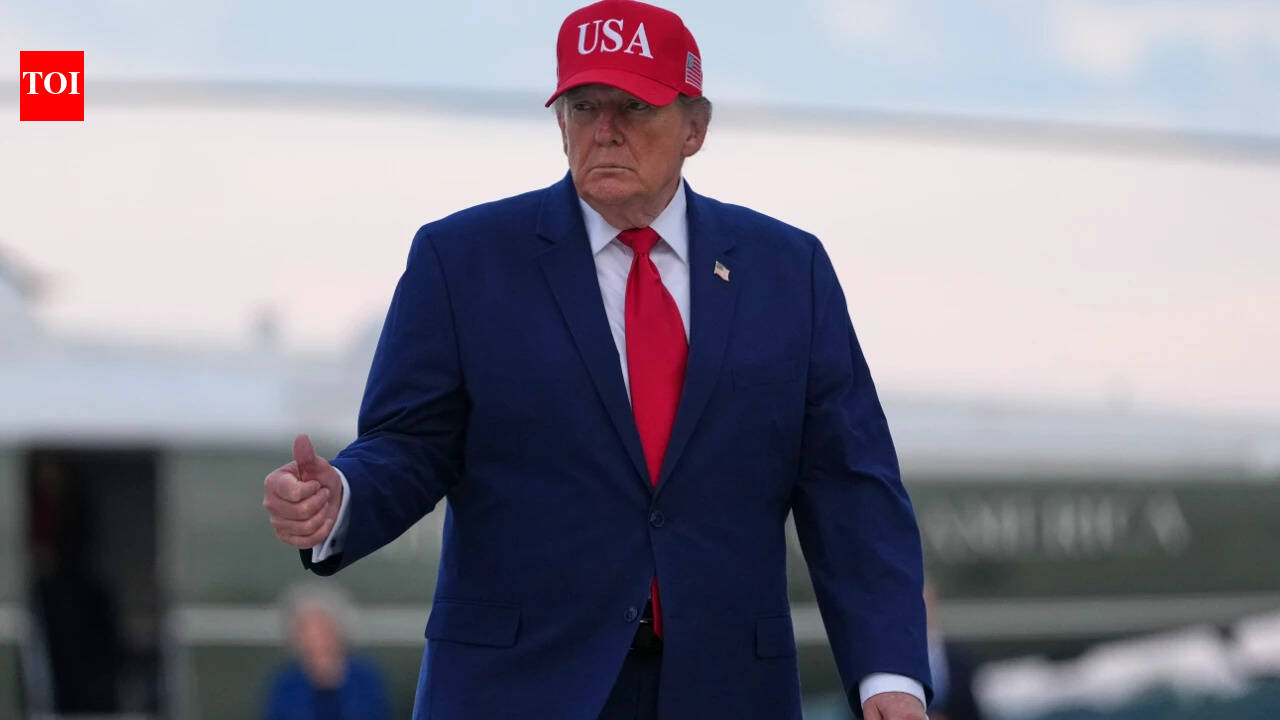
President Trump has waived specific sanctions and duties on Russia under the Graham Act to address rising domestic diesel prices. This strategic move aims to stabilize fuel costs ahead of the November 3 midterm elections.
Strategic Policy Shift: The Graham Act Waiver
In a significant pivot regarding foreign policy and domestic economic management, President Donald Trump has utilized executive authority to waive various sanctions, restrictions, and duties previously imposed on Russia. This action, executed under the framework of the Lindsey O. Graham Sanctioning Russia and Iran Act of 2026, comes mere weeks after the legislation was initially signed into law. The administration’s decision to leverage the 'national interest' provision within the act reflects a calculated effort to prioritize domestic economic stability over current geopolitical pressure tactics.
The Economic Catalyst: Diesel Fuel Concerns
The driving force behind this policy reversal is the escalating political pressure surrounding diesel prices. As the nation approaches the November 3 midterm elections, the cost of fuel has emerged as a primary concern for the electorate and a significant vulnerability for the administration. By removing duties and restrictions on Russian-linked energy imports or related sectors, the White House is clearly attempting to increase supply-side availability to mitigate the impact of inflation on transportation and logistics costs, which are intrinsically tied to diesel pricing.
Legislative Context and Executive Power
The Graham Act was originally conceived as a robust legislative tool to penalize Moscow for its invasion of Ukraine. However, by invoking the waiver provision, President Trump has effectively utilized the 'national interest' clause to bypass the very restrictions he recently championed. This maneuver highlights the inherent tension between long-term geopolitical strategies—such as the isolation of Russia—and the short-term political necessity of maintaining affordable energy prices for American consumers during an election cycle.
Political Implications of the Midterms
The timing of this executive order is not incidental. With the November 3 midterm elections looming, the administration is acutely aware that energy costs serve as a barometer for voter sentiment. By taking direct action to address diesel costs, the President is attempting to neutralize a potential campaign talking point for political opponents. This illustrates a common historical trend where incumbent administrations prioritize immediate economic relief in the final weeks before polling, even when such actions contradict previous diplomatic stances.
Future Trends and Geopolitical Balance
Looking ahead, this decision suggests that the administration may continue to oscillate between aggressive sanctioning and pragmatic economic relief depending on the fluctuations of global energy markets. While the waiver provides a temporary reprieve for domestic fuel prices, it also raises questions about the long-term effectiveness of the Graham Act as a deterrent against international aggression. Future trends will likely see the administration balancing the dual demands of maintaining a firm stance on international conflict while ensuring that the domestic economic burden of those policies does not alienate the voting public.