BJP wary as Jagan Mohan Reddy hints at shift towards INDIA bloc
Source Entity
Latest News: Todays Latest News Headlines from India & World | Hindustan Times | Hindustan Times
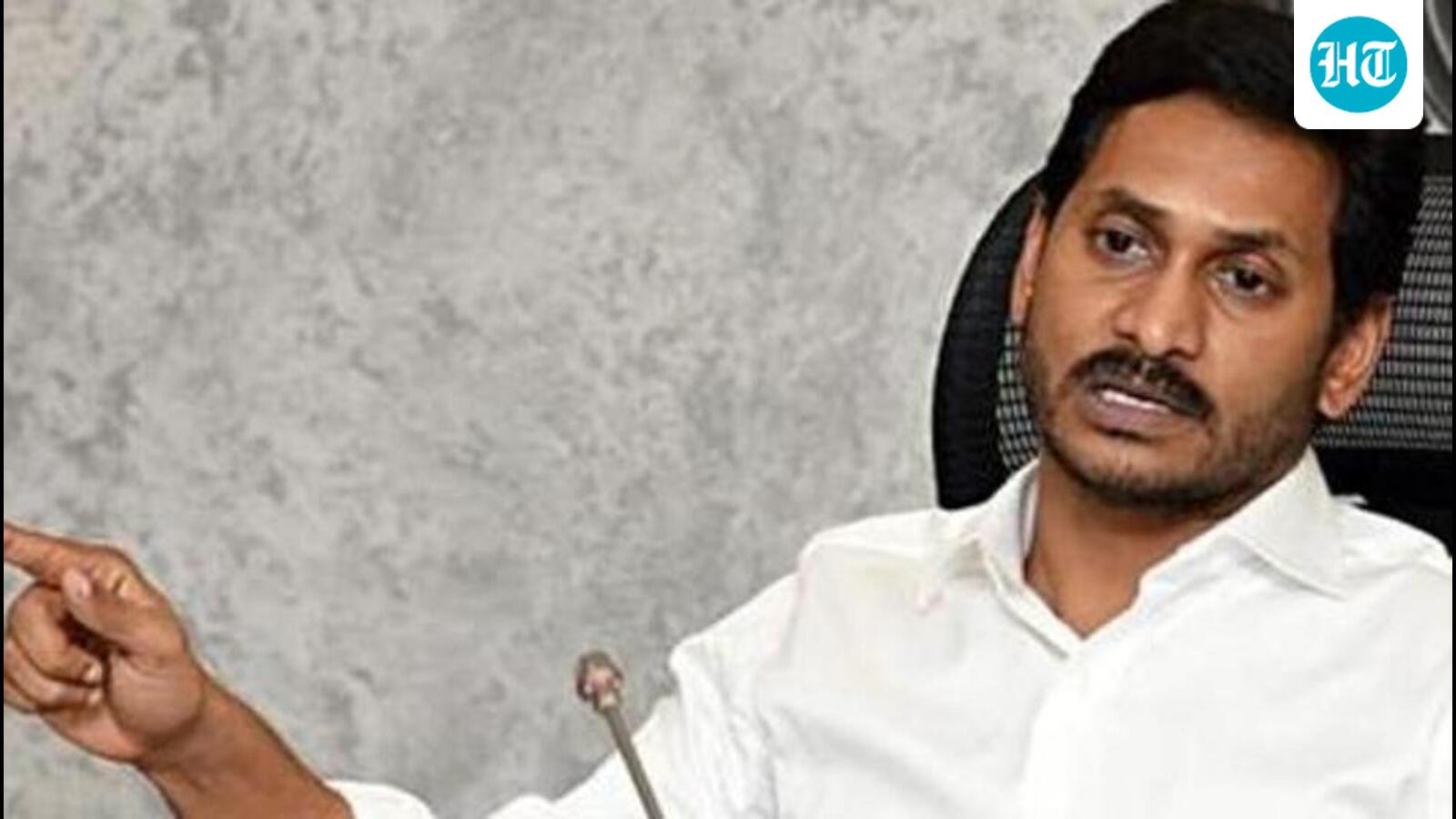
Former Andhra Pradesh CM Jagan Mohan Reddy has expressed regret for supporting the 2023 Election Commission appointment law, signaling a potential political realignment. His call to restore the Chief Justice of India to the selection panel has sparked speculation about a shift toward the opposition INDIA bloc.
The Strategic Pivot: Jagan Mohan Reddy’s Reassessment of Electoral Governance
In a development that has sent ripples through the corridors of Indian national politics, YSR Congress Party (YSRCP) president and former Andhra Pradesh Chief Minister Y.S. Jagan Mohan Reddy has publicly disavowed his party's previous support for the Chief Election Commissioner and Other Election Commissioners (Appointment, Conditions of Service and Term of Office) Act. By labeling his party's prior backing of the legislation as a "mistake," Reddy has initiated a significant recalibration of his political positioning, moving away from his historical stance as a pragmatic ally of the NDA government toward a more critical, independent posture.
The Core of the Contention: Institutional Independence
The crux of Reddy’s critique lies in the structural composition of the selection committee responsible for appointing election commissioners. Under the current law, the panel consists of the Prime Minister, a cabinet minister nominated by the PM, and the Leader of the Opposition. Reddy’s argument—succinctly captured by his analogy that "an examiner cannot be appointed by the student"—reflects a growing concern regarding the perceived executive influence over the Election Commission (EC). By advocating for the reinstatement of the Chief Justice of India (CJI) to this selection panel, Reddy is effectively calling for a system of checks and balances that prioritizes judicial oversight over executive dominance.
Implications of the Shift
This shift is not merely academic; it carries profound implications for the political landscape in Andhra Pradesh and beyond. The BJP, cognizant of the shifting winds, is reportedly monitoring these developments with caution. For years, the YSRCP maintained a cooperative relationship with the central government, often providing crucial legislative support in Parliament. Should Reddy formalize an alignment with the opposition INDIA bloc, it would represent a transformative realignment that could alter the electoral dynamics in both Andhra Pradesh and the neighboring state of Telangana.
Broader Electoral Integrity Concerns
Beyond the specific mechanics of the appointment process, Reddy has expanded his criticism to touch upon the broader integrity of the electoral system. His public assertion regarding the identification of 4.6 million "fake voters" across the country underscores a push for comprehensive electoral reform. By highlighting these systemic concerns, Reddy is attempting to position himself as a champion of institutional transparency, a move that could serve to consolidate his support base while simultaneously signaling to the opposition that he is open to a new strategic partnership.
Future Trends and Political Realignment
The trajectory of this shift suggests that the YSRCP is moving toward a more adversarial stance against the current central administration. As the former Chief Minister aligns himself with the rhetoric of the INDIA bloc regarding the independence of constitutional bodies, the "friendly party" dynamic that defined his previous term is likely a thing of the past. Future trends will likely see Reddy leveraging these calls for electoral reform to challenge the BJP’s narrative, potentially creating a new focal point for opposition unity in Southern India. Whether this leads to a formal alliance or a more nuanced tactical cooperation remains to be seen, but the political cost of this pivot is already being calculated by stakeholders across the spectrum.
Verification Required?