NDA candidate Vangaveeti Radha Krishna files nomination for Vijayawada Mayor post
Source Entity
India Latest News: Top National Headlines Today & Breaking News | The Hindu
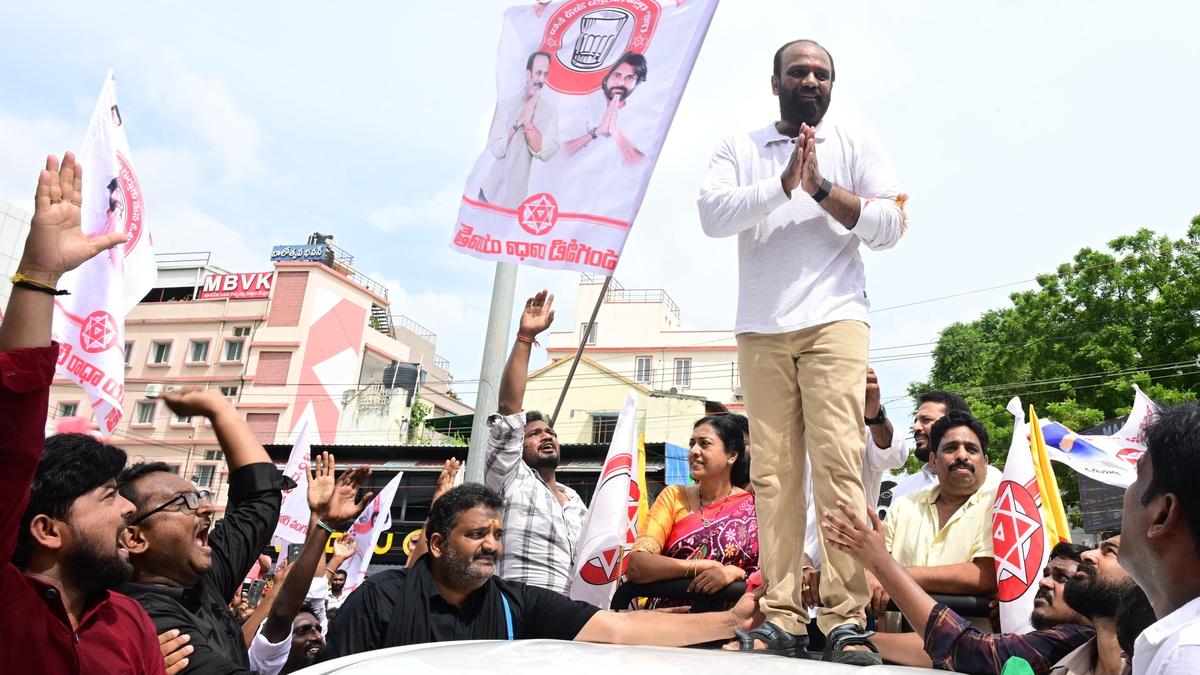
Vijayawada gears up for municipal elections as major political parties finalize their mayoral candidates and file nominations. While competition intensifies in Vijayawada, the YSRCP has notably abstained from the Kamalapuram municipal race, handing the TDP a likely uncontested victory.
Election Dynamics in Andhra Pradesh: A Strategic Overview
The political landscape in Andhra Pradesh is currently undergoing a significant shift as the state prepares for local body elections. Recent filings for the Vijayawada Municipal Corporation (VMC) have revealed a dense field of 242 candidates for ward member positions and a competitive race for the mayoral post. The second day of nominations saw a surge in activity, with major political entities including the TDP, YSRCP, JSP, BJP, INC, and AAP submitting papers, signaling a high-stakes battle for grassroots governance.
The Vijayawada Mayoral Contest
Central to the upcoming elections is the high-profile clash for the Vijayawada mayoral seat. The Jana Sena Party (JSP) has strategically fielded Vangaveeti Radhakrishna, a notable political figure who recently transitioned from the TDP to the JSP. His candidacy sets the stage for a direct confrontation with the YSRCP’s nominee, Rayana Bhagya Lakshmi. This contest is emblematic of the broader political realignment occurring within the state, as parties consolidate their alliances and candidate lists in the final hours before the nomination deadline.
Party Strategies and Candidate Portfolios
The candidate distribution across parties underscores the intensive mobilization efforts underway. With 110 candidates from the YSRCP and 85 from the TDP vying for ward member seats, the competition is clearly polarized between the two dominant forces. The inclusion of professional figures, such as physiotherapist Mukka Sravani for the Greater Visakhapatnam Municipal Corporation (GVMC) seat, highlights a trend toward diversifying candidate profiles. The TDP’s release of an eight-candidate list for various mayoral posts indicates a coordinated state-wide effort to secure urban strongholds.
Regional Disparities: Kamalapuram and Beyond
While Vijayawada remains a focal point of intense campaigning and rivalry, the situation in Kamalapuram presents a stark contrast. The YSRCP’s decision to abstain from the contest in the Kamalapuram Municipality has left the TDP in a position of perceived dominance. According to local leadership, the party anticipates a "cakewalk" victory, as the lack of major opposition leaves only independent candidates in the fray. This strategic withdrawal by the YSRCP highlights the varying degrees of political viability and resource allocation that parties are currently navigating across different districts.
The Shadow of Electoral Unrest
Despite the relatively calm proceedings in Kamalapuram, the electoral process has not been without incident. Reports from Pulivendula indicate that police have registered cases against 63 individuals following violent clashes. The necessity of placing political leaders under house arrest in these volatile zones underscores the heightened tensions that often accompany local body polls in Andhra Pradesh. These incidents serve as a reminder of the challenges in maintaining order during high-stakes local democratic processes.
Conclusion: Assessing the Path Forward
The convergence of shifting party loyalties, strategic candidate selection, and regional volatility paints a complex picture of the 2026 municipal elections. As parties transition from the nomination phase to active campaigning, the electorate will be watching closely to see how these alliances and candidate choices translate into governance outcomes. The coming days will be critical in determining whether the current political maneuvers yield the expected results for the major parties involved.
Verification Required?