
Your birth certificate is a lie. Or, more accurately, it is an incomplete data point. Chronological age tells us how many times you have orbited the sun, but it says nothing about the state of your mitochondria, the length of your telomeres, or the methylation patterns of your DNA. I have spent over a decade working with high-performance individuals from Singapore to Zurich, and the delta between chronological and biological age is where the real story of health resides. Some fifty-year-olds possess the inflammatory profile of a twenty-year-old, while some thirty-year-olds are biologically sliding toward senescence. The goal is not immortality; it is the preservation of functional capacity.
Prerequisites: The Toolset for Biological Mapping
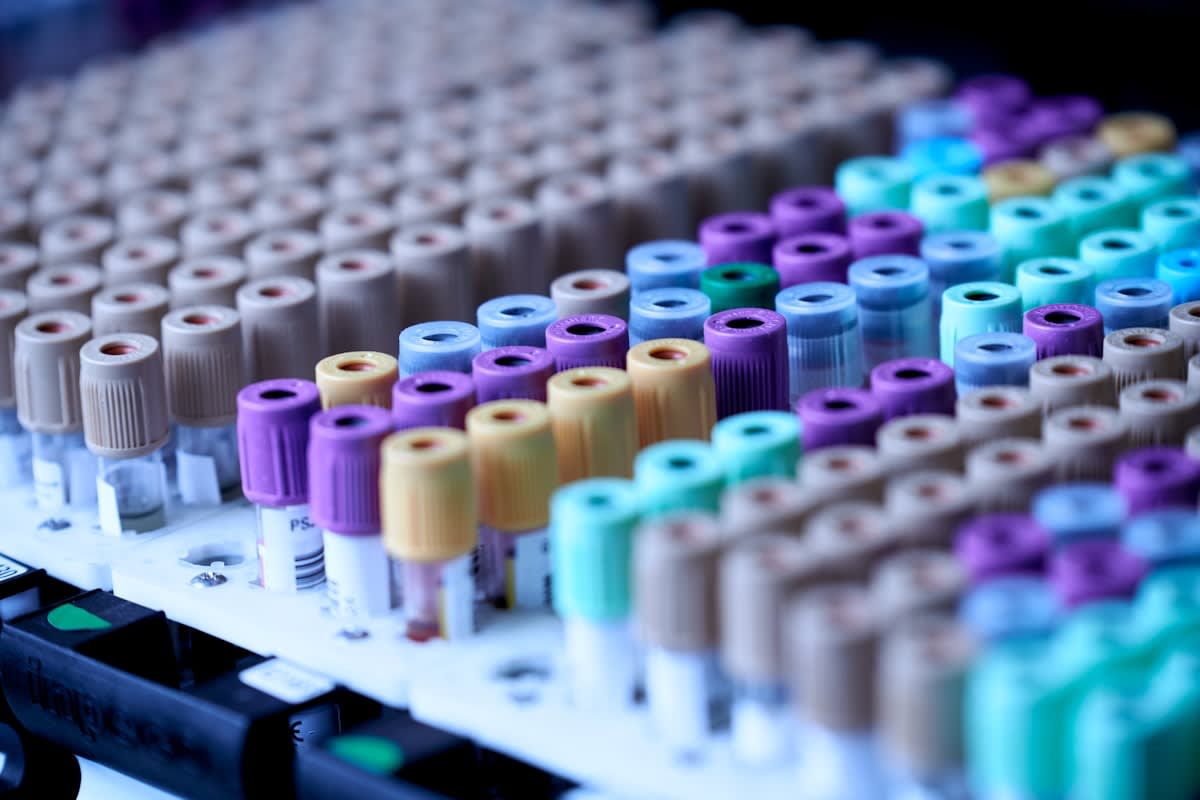
You cannot manage what you do not measure. Before attempting to map your biological age, you need a specific infrastructure of data. This is not about a consumer-grade fitness tracker that guesses your sleep quality. We are looking for clinical-grade biomarkers that provide a snapshot of systemic degradation. You will need access to a laboratory capable of high-sensitivity assays and, ideally, a provider who understands the nuance of functional ranges versus standard reference ranges.
- Comprehensive Metabolic Panel (CMP) and Lipid Profile: To assess organ function and cardiovascular risk.
- High-Sensitivity C-Reactive Protein (hs-CRP): A critical marker for systemic inflammation.
- HbA1c and Fasting Insulin: To determine glycemic variability and insulin sensitivity.
- Epigenetic Clock Test: A DNA methylation analysis (e.g., Horvath or PhenoAge) to measure cellular age.
- Cystatin C: A more accurate marker of kidney function and biological aging than creatinine alone.
Step-by-Step: Mapping Your Biological Age
Mapping your biological age is an iterative process. It is not a one-time test but a longitudinal study of your own biology. Most people make the mistake of treating a biological age result as a static number. In reality, it is a fluid metric that responds to interventions in real-time. The following protocol is what I implement for clients who are serious about physiological optimization.
- Establish Your Chronological Baseline: Document your current age and known health history to create a point of comparison.
- Execute a Wide-Net Biomarker Screen: Run a full blood panel focusing on inflammation (hs-CRP), metabolic health (HbA1c), and renal function (Cystatin C).
- Run an Epigenetic Clock Analysis: Submit a saliva or blood sample for DNA methylation testing. This measures the 'chemical tags' on your DNA that change as you age (Source: Steve Horvath, UCLA, 2013).
- Calculate the Delta: Compare your epigenetic age and biomarker age against your chronological age. A negative delta (e.g., 45 chronological, 38 biological) indicates a slower aging trajectory.
- Identify the Primary Driver: Determine which marker is pulling your biological age upward. Is it chronic inflammation? Poor glycemic control? High oxidative stress?
- Deploy Targeted Interventions: Adjust nutrition, sleep, and pharmacological interventions based specifically on the failing marker, not a general wellness trend.
- Re-test Every Six Months: Biological age is dynamic. Re-testing allows you to validate if your interventions are actually moving the needle.
When you look at the data, do not obsess over a single number. I once had a client in London who was devastated that his biological age increased by two years in one quarter. Upon deeper analysis, we found it was a transient spike in inflammation due to a severe respiratory infection. The lesson here is clear: context is everything. A biological age reading is a snapshot, not a destiny.
Understanding the 'Clocks': Not All Metrics Are Equal
The field of geroscience is currently debating which 'clock' is the gold standard. We generally categorize these into first-generation and second-generation clocks. First-generation clocks, like the original Horvath clock, were designed to predict chronological age. They are great for general mapping but less effective at predicting actual mortality or morbidity.
"Biological age is not a single number but a composite of various physiological systems. The challenge lies in weighting these systems—should kidney function count more than DNA methylation when predicting healthspan?"— Dr. Morgan Levine, Professor of Medicine at Yale University
Second-generation clocks, such as PhenoAge and GrimAge, are far more lethal in their precision. Instead of predicting how old you are, they predict how long you have left to live by incorporating clinical biomarkers and methylation patterns associated with smoking, obesity, and chronic disease (Source: The Lancet Healthy Longevity, 2019). If you are mapping for longevity, these are the metrics that matter.
| Clock Type | Primary Data Source | What it Measures | Clinical Utility |
|---|---|---|---|
| First Gen (Horvath) | DNA Methylation | Chronological Alignment | General Baseline |
| PhenoAge | DNAm + Biomarkers | Phenotypic Age | Morbidity Prediction |
| GrimAge | DNAm + Plasma Proteins | Life Expectancy | High-Precision Mortality Risk |
From a practitioner's perspective, the real friction happens when we translate these numbers into action. In the clinic, we often debate the 'Optimization Trap'—the point where a patient becomes so obsessed with lowering their biological age that they sacrifice their quality of life. I have seen patients avoid social gatherings or extreme exercise because they fear a temporary spike in cortisol will 'age' them. This is a misunderstanding of resilience. True biological youth is not the absence of stress, but the ability to recover from it rapidly.
Common Pitfalls in Biological Age Mapping
The biggest mistake I see is 'Marker Tunnel Vision.' This occurs when a person identifies one biomarker—say, hs-CRP—and spends six months trying to crush that number while ignoring their skyrocketing fasting insulin. Your body is an integrated system. If you push one lever too hard, another often pops. For example, aggressive fasting can lower some age markers but may trigger muscle wasting (sarcopenia), which is itself a primary driver of biological aging in older adults.
Another frequent error is relying on low-cost, direct-to-consumer kits that use proprietary algorithms. Many of these companies use 'black box' math that doesn't align with peer-reviewed science. If a company cannot tell you exactly which CpG sites they are measuring or which clinical markers they are weighting, the result is a marketing gimmick, not a medical diagnostic. Always demand transparency in the methodology.
Fact-Check & Accuracy Note
Key claims regarding DNA methylation and the Horvath/PhenoAge clocks are sourced from established geroscience research published in journals such as Nature and The Lancet. However, it is important to note that 'biological age' is still an emerging scientific construct. There is ongoing debate among researchers regarding the universality of these clocks across different ethnic populations and the exact degree to which they can be 'reversed' through lifestyle interventions.