What are Tehran’s seven conditions to end US-Iran war
Source Entity
Mashkoora Khan
Iran reports that the US has acknowledged some of its conditions to end the regional conflict, though current proposals remain insufficient. Tehran's security chief, Mohsen Rezaei, continues to negotiate while keeping the specifics of the seven-point demand private.
Diplomatic Stalemates: Assessing the US-Iran Negotiation Landscape
Recent reports from Tehran indicate a complex and evolving diplomatic dance between the United States and Iran regarding the ongoing regional conflict in West Asia. Mohsen Rezaei, the Secretary of Iran’s Supreme National Security Council, has signaled that while there has been a degree of movement from Washington in acknowledging some of Iran's seven conditions for peace, the response remains fundamentally inadequate. This development highlights the deep-seated mistrust and the intricate layers of negotiation required to de-escalate tensions in one of the world's most volatile geopolitical arenas.
The Ambiguity of the Seven Conditions
Despite the gravity of the situation, the specific nature of Iran’s seven-point demand remains shrouded in diplomatic opacity. By choosing not to disclose the full list of conditions or identify exactly which points Washington has rejected, Tehran maintains a strategic ambiguity. This tactic often serves to provide negotiators with the necessary flexibility to pivot during back-channel discussions, but it also creates a vacuum that fuels speculation among international stakeholders about the true bottom lines for both parties involved.
Economic and Strategic Imperatives
Among the few details that have surfaced, the demand for the release of frozen Iranian funds stands out as a critical economic pillar of these negotiations. For years, international sanctions have crippled Iran's ability to access its global assets, creating a significant point of leverage for the United States. Integrating the release of these funds into a broader framework for ending the war on all fronts suggests that Tehran is seeking not just a cessation of hostilities, but a comprehensive restoration of its economic sovereignty as a prerequisite for regional stability.
Domestic Optics and External Protests
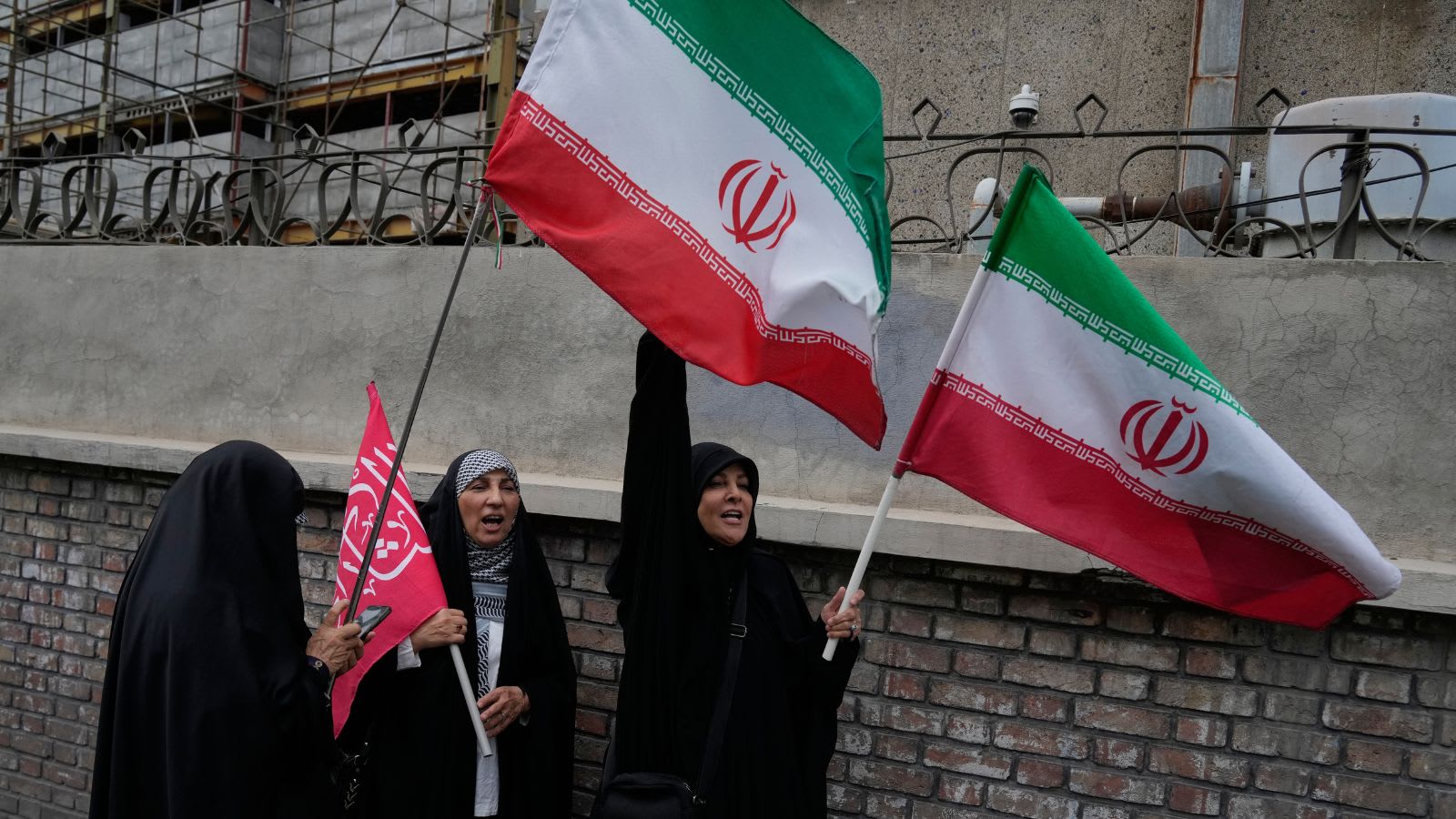
The backdrop of these high-level negotiations is complicated by domestic and international theater, as evidenced by recent protests in Tehran targeting the French Embassy. While Iranian citizens gathered to condemn perceived human rights violations in France, the visual of flags being waved in the capital serves as a reminder of the state’s focus on external narratives. Aligning domestic public sentiment with the government's foreign policy objectives—even while engaged in delicate talks with the United States—is a hallmark of Iranian political strategy, designed to project strength on the international stage.
Future Trends and Regional Implications
Looking forward, the success of these negotiations hinges on whether the 'insufficient' response from Washington can be bridged through further concessions. If the United States continues to hold firm against certain Iranian demands, the conflict risks stagnating into a prolonged war of attrition. The involvement of regional powers and the potential for shifts in the global oil market make these talks essential to monitor. The path to peace will likely require a high-stakes compromise where both sides trade significant political capital to secure a measurable reduction in regional violence.
Conclusive Summary
The current state of US-Iran relations remains fragile, defined by a public admission of partial progress coupled with a private insistence that the status quo is unacceptable. As Mohsen Rezaei leads the charge for Iran, the international community watches closely to see if the proposed seven conditions can serve as a viable roadmap for peace. Until the specific terms are clarified and a mutually agreeable middle ground is reached, the region remains caught in a precarious cycle of diplomatic posturing and ongoing military tension.