Beyond the Pharmacy Wall
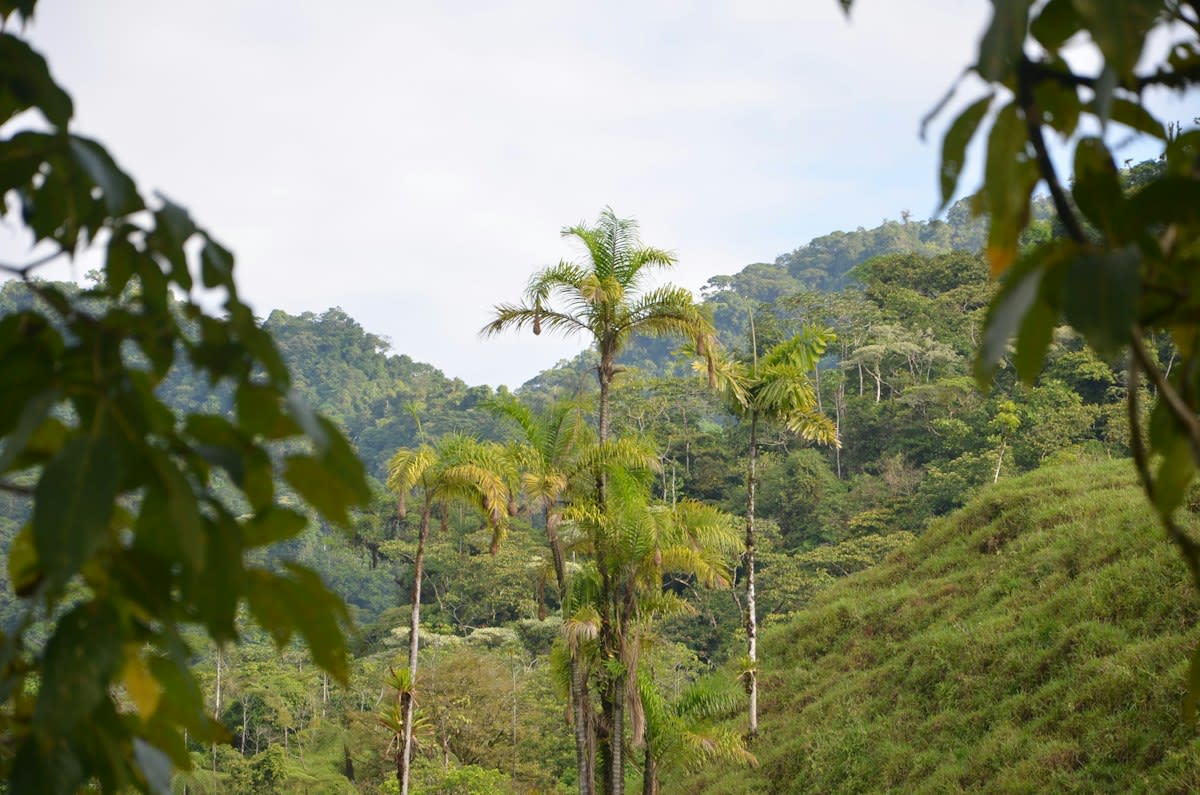
Forests are pharmacies. Why do we insist that rural health requires a constant stream of synthetic pills when the surrounding canopy provides the exact micronutrients the body craves? Nature offers the cure. In an analysis of 6,226 women and young children across seven low- and middle-income countries, researchers found that higher dietary species richness was associated with greater adequacy of vitamin A, vitamin C, folate, calcium, iron, and zinc (Source: News-Medical, 2026). This is a reality. We must stop treating the forest as a backdrop and start treating it as the primary clinic for the rural poor.
Prerequisites for Transition
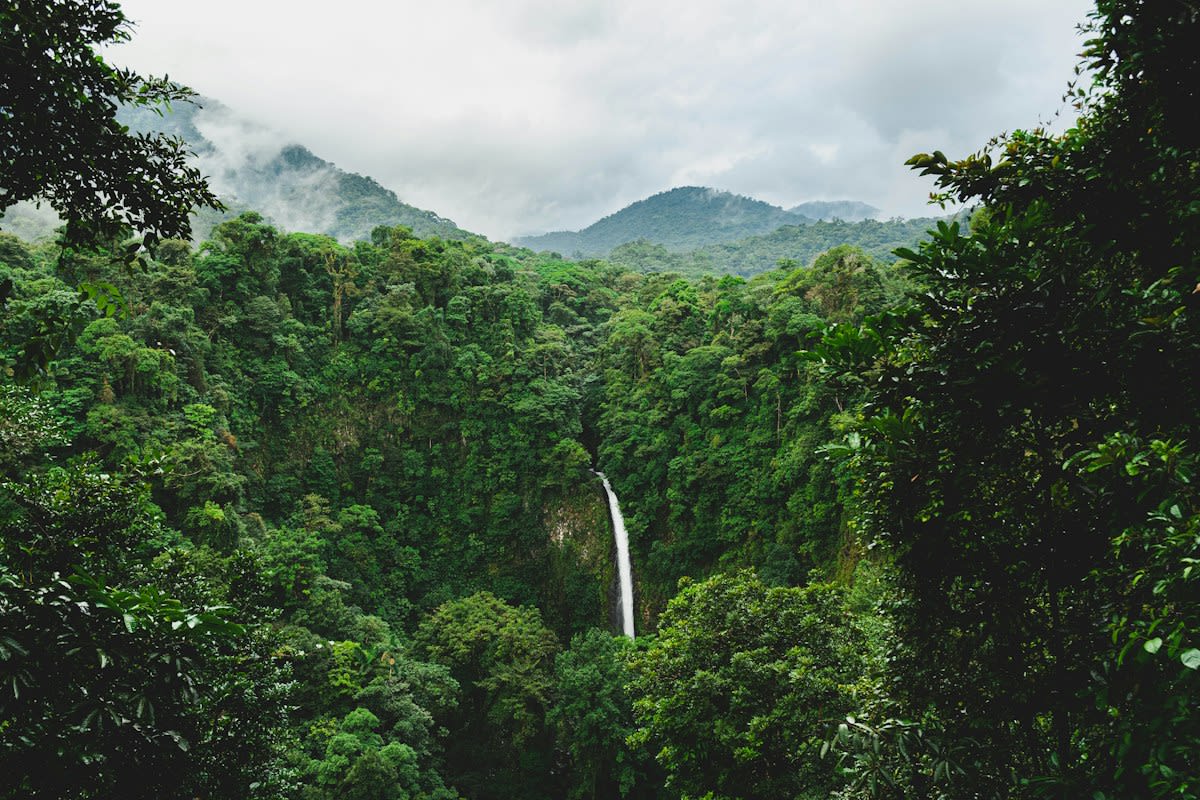
Preparation is everything. Before you attempt to replace a pharmaceutical regimen with forest-based nutrition, you must secure a stable baseline of local botanical knowledge and patient health markers. Detail matters here. You cannot simply tell a patient to eat more plants without understanding the specific nutrient concentrations that vary across different species (Source: News-Medical, 2026). This requires rigor. Ensure you have the following tools and access points before initiating the transition.
- A comprehensive inventory of local edible plant species and their seasonal availability.
- Baseline blood panels for Vitamin A, C, folate, calcium, iron, and zinc.
- Access to cloud-based health tracking tools for longitudinal patient monitoring.
- Partnerships with local foragers or indigenous guides to ensure safe harvesting.
- A secure data pipeline for integrating patient biomarkers with dietary intake logs.
The Implementation Process
Execution requires precision. Moving a community away from a default reliance on pharmacies is not a sudden event but a managed transition of habits and biology. The grip of synthetic dependence is strong. By focusing on dietary species richness, we can improve nutrient adequacy without relying on expensive, imported supplements (Source: News-Medical, 2026). This is the goal. Follow these steps to implement the forest-based health model.
- Conduct a Dietary Species Richness (DSR) count to determine the number of unique plant and animal species currently consumed by the patient.
- Identify specific nutrient gaps based on the patient's clinical data and match them to the nutrient concentrations of local forest plants.
- Introduce new plant species incrementally to monitor for digestive adaptation and allergic reactions.
- Deploy cloud-based monitoring tools to track the correlation between increased plant variety and improved biomarker levels.
- Phase out non-essential synthetic supplements as nutrient adequacy is demonstrated through blood work.
"Plant-focused approaches encourage consuming a wide range of fruits, vegetables, legumes, whole grains, nuts, seeds, herbs, and spices."— Dr. Chinta Sidharthan, Expert cited in News-Medical
Data drives results. Once the dietary shift begins, you must track the outcomes with the same intensity as a clinical drug trial. Accuracy is non-negotiable. The AWS Health Impact Initiative is currently committing $100 million to scale agentic services and cloud computing infrastructure to help underserved communities manage this kind of global nutrition (Source: HIT Consultant, 2026). Technology scales care. By using these cloud tools, we can move from anecdotal success to verifiable, data-backed health outcomes in rural terrains.
The Precision Medicine Integration
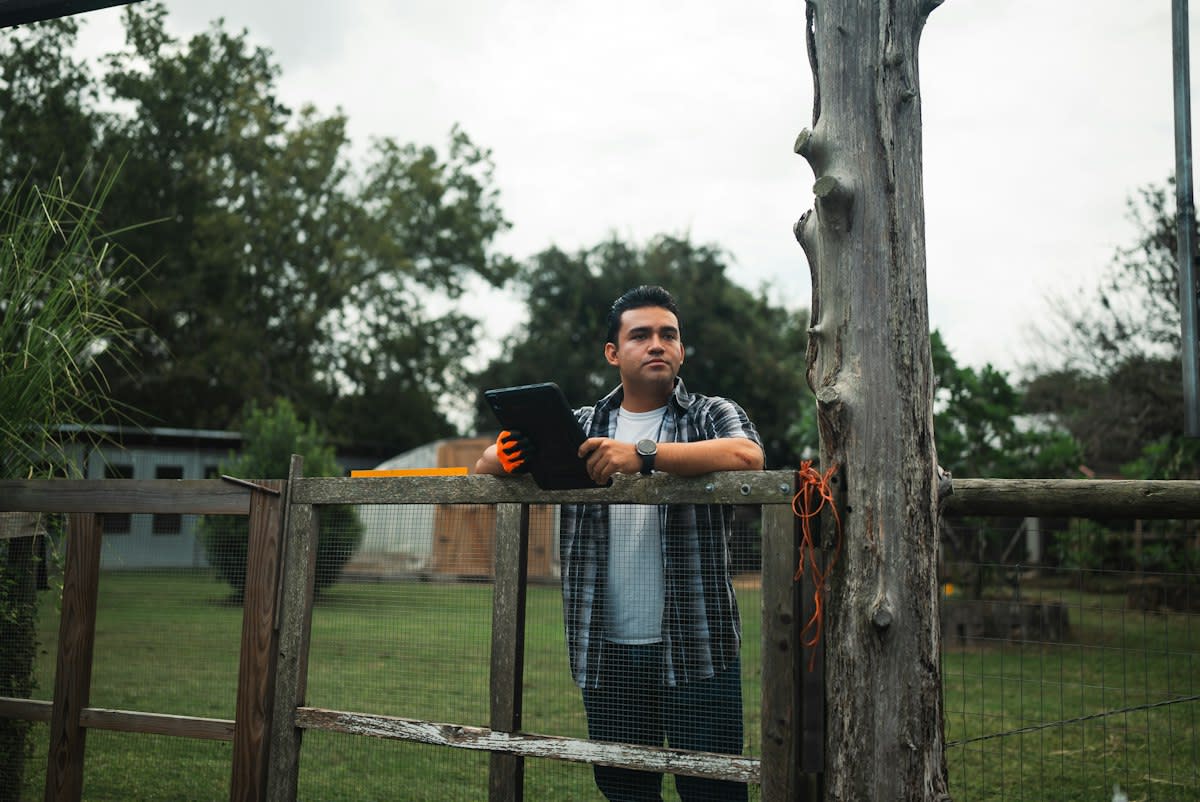
Customization is the future. We are moving away from a one-size-fits-all approach to nutrition and toward a model where the forest is tailored to the individual's genetic needs. This is not magic. With the precision medicine market projected to reach $329.73 billion by 2033, the investment in how specific bodies react to specific plant compounds is exploding (Source: OpenPR, 2024). Capital follows efficacy. This allows us to treat the forest not as a general buffet, but as a precision pharmacy.
| Nutrient | Pharmacy Source | Forest-Based Source (Example) | Advantage |
|---|---|---|---|
| Vitamin A | Retinyl Palmitate | Local Leafy Greens/Fruits | Higher Bioavailability |
| Iron | Ferrous Sulfate | Wild Legumes/Seeds | Lower Gastrointestinal Stress |
| Zinc | Zinc Gluconate | Forest Nuts/Seeds | Synergistic Co-factors |
| Folate | Folic Acid | Diverse Tropical Foliage | Natural Methylation |
Frictions are inevitable. In the field, I have seen the bitter fray between the 'Data Purists' and the 'Forest Guides'. The purists demand double-blind trials for every wild berry, while the guides point to three centuries of ancestral survival. This is the real struggle. One side fears the lack of standardization, while the other fears the erasure of indigenous wisdom by a cloud-based algorithm. We must suture these two worlds together to create a functional system.
Common Pitfalls
Avoid the trap. Many practitioners attempt to force Western clinical metrics onto indigenous foraging patterns without understanding the local ecology. This fails quickly. If you ignore the cultural weight of a plant, the community will reject the prescription regardless of the data. Trust the locals. Do not assume that a high DSR count automatically equals health if the patients are not consuming the plants in a culturally sustainable way.
Fact-Check & Accuracy Note
While dietary species richness is strongly associated with nutrient adequacy for Vitamin A, C, folate, calcium, iron, and zinc in rural populations (Source: News-Medical, 2026), there is an ongoing academic debate. Some researchers argue that these are observational findings based on reported intake and do not yet constitute demonstrated correction of clinical deficiencies in all cases.
Editorial Note
This guide prioritizes the transition from synthetic to natural nutrition. It does not suggest the complete abandonment of emergency medicine or critical pharmaceutical interventions for acute conditions.