The conversation around brain health has shifted. For years, the biohacking community and clinical practitioners focused on a blunt-force approach to mitochondrial support: load the system with antioxidants and CoQ10 and hope for the best. But this month, the data reveals a more sophisticated reality. We are moving away from general energy production and toward what I call 'cellular logistics'—the ability of the brain to prune damaged power plants and transport energy to the furthest reaches of the neuron.
This transition represents a massive delta compared to where we were twelve months ago. While 2025 was about the 'what' of mitochondrial health, September 2026 is about the 'how' and 'where.' We are no longer just asking if we have enough mitochondria; we are asking if those mitochondria are functional, if they are in the right place, and how they respond to synthetic versus natural stimuli. The urgency is driven by a growing body of evidence that mitochondrial dysfunction isn't just a byproduct of aging, but a primary driver of cognitive decline and behavioral addiction.
The Mitophagy Mandate: Cleaning the Neural Engine
The most significant shift this month involves mitophagy—the targeted destruction of damaged mitochondria. It is the cellular equivalent of a waste management system. When this system fails, the brain accumulates 'zombie' mitochondria that leak reactive oxygen species and fail to produce ATP, accelerating conditions like Alzheimer's disease. Recent research has highlighted Urolithin A, a compound derived from pomegranates and walnuts, as a potent inducer of this cleaning process in the brain (Source: FoundMyFitness, 2026).
Beyond Urolithin A, dietary spermidine is emerging as a critical tool for neuroprotection. In studies involving fruit flies, spermidine not only improved mitochondrial function but actively reduced age-induced memory impairments. This effect is mediated by a specific protein triumvirate: Atg7, PINK, and parkin (Source: FoundMyFitness, 2026). These proteins are the molecular switches for autophagy and mitophagy, suggesting that we can potentially slow cognitive decline by targeting the genetic machinery of cellular cleanup rather than just supplementing the energy output.
Why does this matter now? Because we are seeing a convergence of dietary interventions and molecular biology. The ability to trigger PINK and parkin via spermidine-rich foods moves the needle from theoretical science to actionable nutrition. This isn't about a 'superfood' trend; it is about the strategic activation of evolutionary survival mechanisms to maintain cognitive clarity as the brain ages.
Energy Logistics: The Psilocybin Breakthrough
While mitophagy focuses on quality, the next frontier is distribution. A neuron can be several inches long, and if the mitochondria cannot travel from the cell body to the axon terminal, the neuron dies. This month, a landmark study published in Science has uncovered a surprising role for psilocybin in preserving this mitochondrial trafficking. Specifically, psilocybin appears to prevent chemotherapy-induced peripheral neuropathy by ensuring that axonal energy distribution remains intact (Source: Science, 2026).
"Psilocybin activates TrkB-Akt-PAK5 signaling to restore mitochondrial motor function, effectively preserving tactile function and protecting peripheral sensory neurons from the energetic collapse typically seen during aggressive chemotherapy."— Science Journal Research Summary, 2026
The mechanism here is precise: psilocybin operates through 5HT2A receptors, which then trigger a signaling cascade (TrkB-Akt-PAK5) that keeps the mitochondrial 'motors' moving. This is a paradigm shift. We are seeing a psychedelic compound move beyond the realm of mental health and into the realm of bioenergetic preservation. It suggests that the 5HT2A receptor is not just a gateway to altered consciousness, but a regulator of cellular energy logistics.
This discovery forces us to rethink how we treat nerve damage and cognitive fatigue. If we can modulate the trafficking of mitochondria, we can potentially rescue neurons that are starving for energy despite having plenty of glucose and oxygen available in the system. The problem isn't the fuel; it's the delivery truck.
The Dark Side of Energy: Calcium and Addiction
Not all mitochondrial activity is beneficial. This month, research in Nature has exposed a dangerous bioenergetic loophole used by synthetic drugs. Opioids and methamphetamine induce a massive mitochondrial calcium (Ca 2+) influx via the mitochondrial calcium uniporter (MCU) in the dopaminergic terminals of the nucleus accumbens (Source: Nature, 2026). Crucially, natural rewards do not trigger this same calcium surge.
This selective influx of calcium drives a specific type of bioenergetic state that enables drug addiction. By hijacking the MCU, synthetic drugs essentially 'overclock' the mitochondria in the brain's reward center, creating a metabolic signature that differs fundamentally from natural pleasure. This provides a concrete molecular target for addiction treatment: if we can modulate the MCU, we might be able to break the bioenergetic grip of synthetic opioids.
| Mechanism | Key Driver | Cognitive/Neurological Outcome | Source |
|---|---|---|---|
| Mitophagy | Urolithin A / Spermidine | Reduced memory impairment / Brain cleanup | FoundMyFitness, 2026 |
| Mitochondrial Trafficking | Psilocybin (TrkB-Akt-PAK5) | Prevention of axonal energy collapse | Science, 2026 |
| Calcium Influx (MCU) | Opioids / Methamphetamine | Selective enablements of addiction | Nature, 2026 |
The bridge between these three discoveries is clear: the brain's cognitive clarity is not a result of a single 'energy' level, but a delicate balance of cleanup, distribution, and ion regulation. When any of these three pillars fail, the result is either neurodegeneration, neuropathy, or addiction.
The Infrastructure of Observation: AI-Driven Cytology
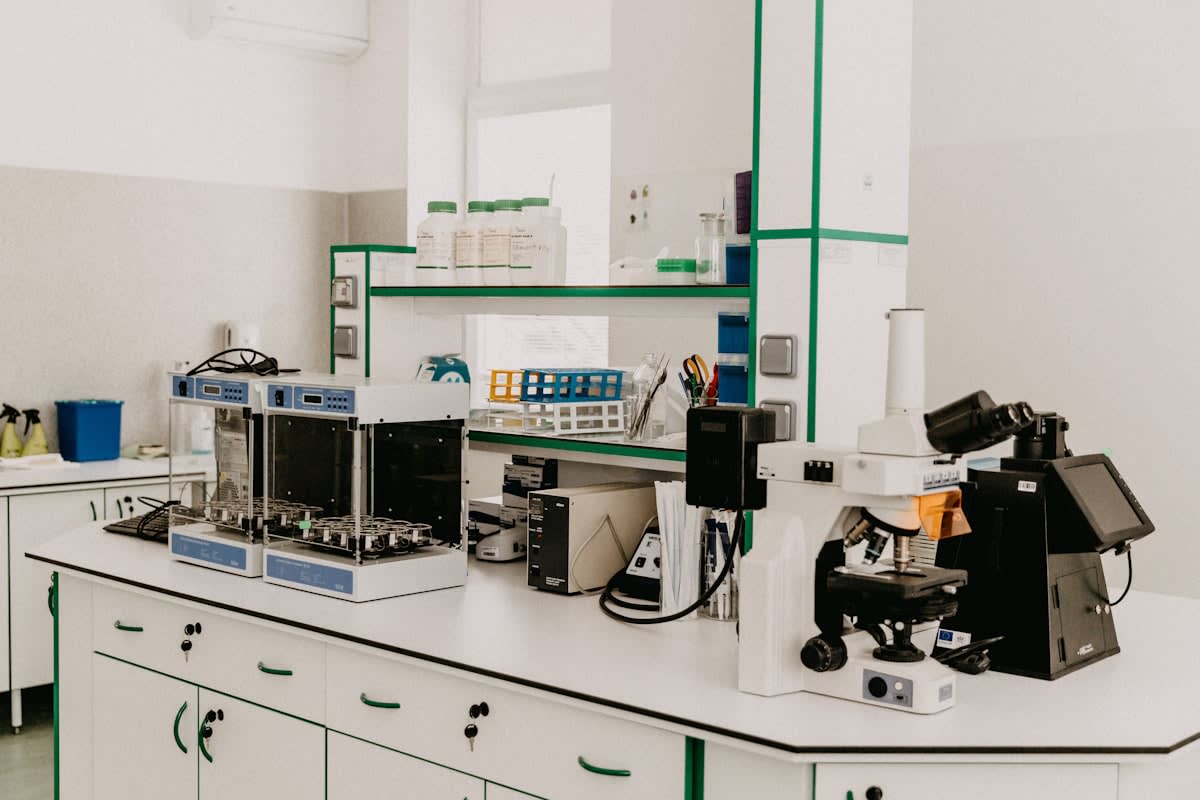
We cannot optimize what we cannot see. The ability to track these mitochondrial shifts in real-time is being accelerated by new collaborations in digital pathology. Hamamatsu Corporation and AIxMed have recently partnered to integrate ScanPilot software with NanoZoomer scanners (Source: BioSpace, 2026). This allows for autonomous rescanning and AI-assisted image-quality assessment in cytology research workflows.
This technological leap is vital because mitochondrial changes often occur at a scale and speed that human pathologists miss. By automating the technical image-quality assessment, researchers can identify the subtle morphological changes in mitochondria that signal the onset of the energy shifts discussed above. The integration of AI into the cytology workflow means we are moving from static snapshots of cells to a dynamic understanding of cellular health.
On the ground, this looks like a heated debate between the 'old guard' of pathology and the new wave of digital cytology. Practitioners are currently arguing over the reliability of AI-assisted rescanning versus manual verification. There is a real friction here: the speed of AI is seductive, but the nuance of human expertise is still the gold standard. However, the sheer volume of data required to map mitochondrial trafficking across a whole brain makes the AI transition inevitable.
The real-world friction isn't just in the lab; it's in the clinic. I've seen practitioners struggle to explain to patients why a generic mitochondrial supplement isn't working. The answer is usually that the patient doesn't need more ATP—they need mitophagy or better trafficking. We are seeing a shift toward 'prescriptive bioenergetics,' where the intervention is matched to the specific mitochondrial failure point.
Fact-Check & Accuracy Note
Key claims regarding Urolithin A and Spermidine are sourced from FoundMyFitness (2026). The findings on psilocybin and mitochondrial trafficking are attributed to Science (2026). The data on mitochondrial calcium uniporter (MCU) and addiction is sourced from Nature (2026). The Hamamatsu/AIxMed collaboration is documented via BioSpace (2026). Note: While results in fruit flies and mice are promising, human clinical translation for spermidine-induced mitophagy is still an area of ongoing debate and research.