Impulse Buying Eating Into Savings? 3 Hacks To Stop Overspending
Source Entity
NDTV News Search Records Found 1000
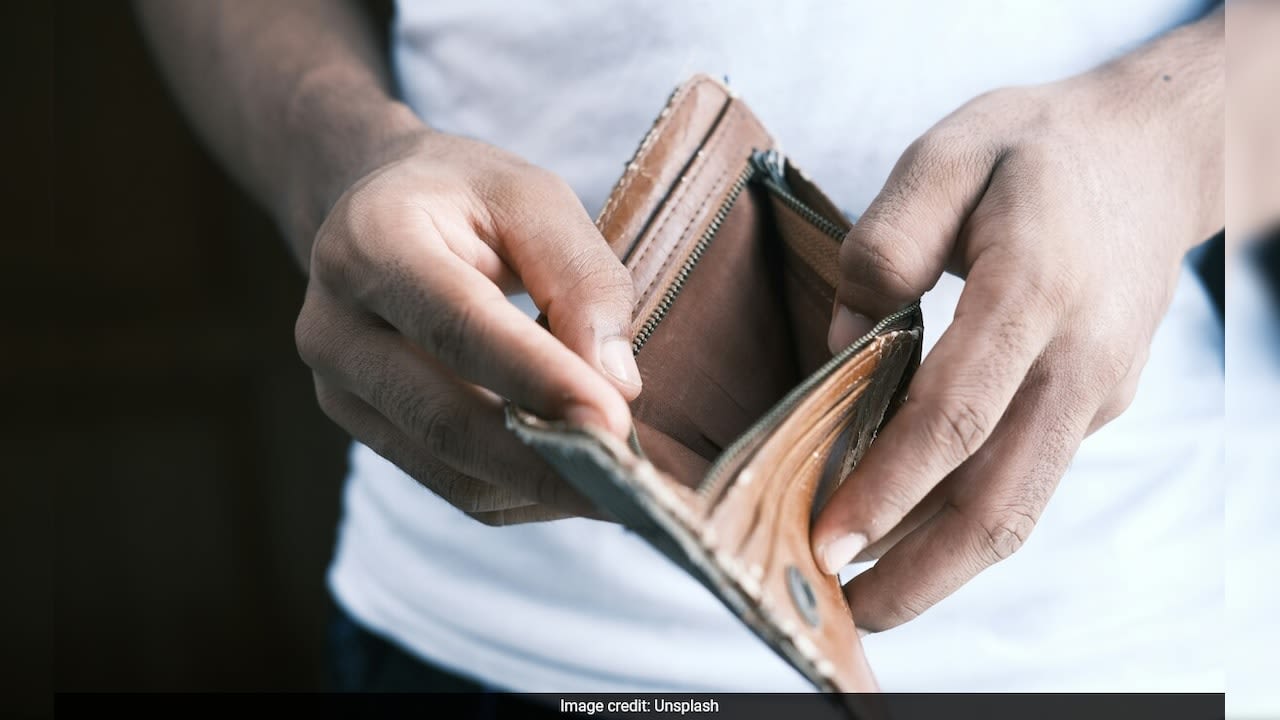
Financial experts advise delaying immediate spending after payday to curb impulse buying habits. Implementing strategic pauses can help individuals protect their savings and improve long-term financial health.
The Psychology of Payday Spending
The immediate impulse to spend upon receiving a salary is a common behavioral phenomenon often referred to by financial experts as 'payday syndrome.' This psychological trigger occurs because the sudden influx of liquidity creates a temporary illusion of abundance, leading individuals to overestimate their disposable income. By failing to wait, consumers often prioritize immediate gratification over long-term financial stability, effectively sabotaging their savings goals before the month has even begun.
The Importance of the 'Cooling-Off' Period
Experts emphasize that the primary defense against this cycle is to establish a mandatory cooling-off period. By deliberately delaying discretionary purchases, individuals allow the initial emotional surge of 'new money' to dissipate. This shift from reactive, impulse-driven consumption to proactive, intentional spending is the foundation of effective personal finance management. When we force a gap between the receipt of funds and the act of spending, we gain the clarity needed to distinguish between genuine needs and fleeting wants.
Strategic Financial Planning
To move beyond simple willpower, financial planners suggest structural changes to how one handles their paycheck. The 'pay yourself first' method is a critical strategy here: by automating transfers to savings or investment accounts the moment the salary hits, the available balance is automatically adjusted. This creates a realistic view of one's actual spending limit, preventing the common mistake of viewing the entire gross paycheck as 'spending money.'
Broader Economic Implications
On a personal level, the cumulative effect of curbing impulse buying is significant. Unchecked spending often leads to a reliance on credit or the depletion of emergency funds, which leaves individuals vulnerable to unexpected economic shocks. By maintaining a disciplined approach to one's monthly budget, consumers contribute to their own financial resilience, which in turn reduces the likelihood of high-interest debt accumulation.
Future Trends in Personal Finance
As digital banking tools become more sophisticated, we are seeing a rise in 'friction-based' finance apps designed to help users curb spending. These tools often include features that force a delay on transactions or require extra authentication steps for non-essential purchases. In the future, we can expect technology to play an even larger role in protecting consumers from their own impulses, further reinforcing the expert advice that waiting is the most effective tool for wealth preservation.
Conclusion
The advice to avoid immediate spending upon receiving a salary remains a timeless pillar of personal finance. By understanding the psychological drivers of impulse buying and implementing structural habits—such as waiting periods and automated savings—individuals can gain control over their financial futures. Ultimately, financial health is not defined by how much one earns, but by the discipline applied to the money once it arrives.
Verification Required?