US judge partially halts Trump’s latest birthright citizenship order
Source Entity
KARAN MANRAL
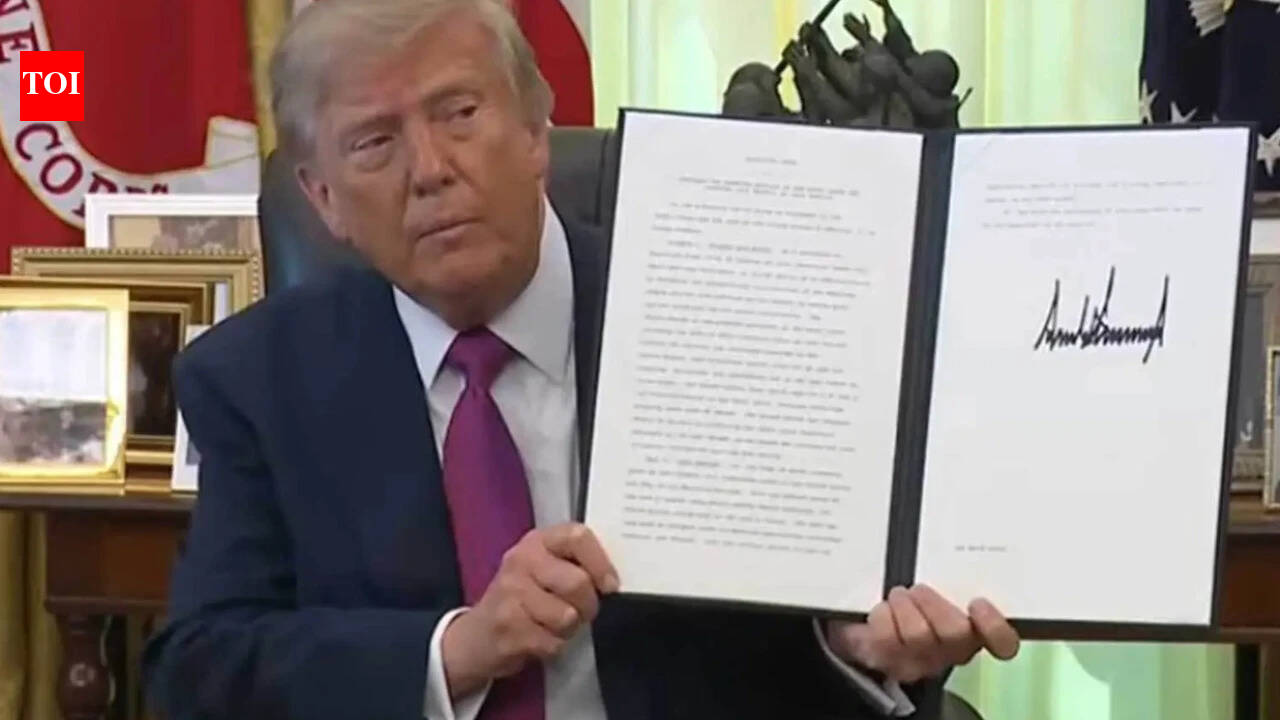
A federal judge has blocked an executive order by Donald Trump intended to restrict birthright citizenship. This ruling marks another legal setback for the administration’s efforts to challenge the 14th Amendment's protections.
Judicial Intervention on Birthright Citizenship
A federal judge has issued a significant ruling halting an executive order signed by Donald Trump that sought to limit birthright citizenship. This development represents a major judicial pushback against the administration's attempts to unilaterally redefine eligibility for citizenship, a topic that has remained a central point of contention in American immigration policy. By blocking the enforcement of this order, the court has signaled that such fundamental changes to constitutional norms cannot be achieved through executive fiat alone.
Historical Context and Constitutional Challenges
The principle of birthright citizenship is deeply rooted in the 14th Amendment of the U.S. Constitution, which states that all persons born or naturalized in the United States are citizens. The administration’s latest attempt to circumvent this through an executive order follows a previous failed effort in August, which was also met with intervention from the Supreme Court. These repeated actions highlight a persistent strategy to challenge long-standing legal interpretations of citizenship through administrative channels rather than legislative reform.
The Legal Tug-of-War
This recent court ruling underscores the delicate balance of power between the executive branch and the judiciary. The administration has argued that it possesses the authority to refine immigration standards, yet the courts have consistently maintained that the 14th Amendment provides a robust protection that cannot be curtailed by presidential order. The fact that this is a repeat attempt suggests a high level of commitment from the administration to fundamentally alter the landscape of U.S. immigration, despite previous clear judicial guidance.
Broader Implications for Immigration Policy
The ongoing legal battle over birthright citizenship carries profound implications for the future of U.S. immigration policy. If such orders were to be upheld, they would represent a seismic shift in how citizenship is granted, potentially leading to a new class of non-citizen residents born on U.S. soil. The court's decision to halt this order serves to maintain the current status quo, effectively preventing a major disruption to the established legal framework while the broader debate continues in the halls of government.
Future Trends and Judicial Scrutiny
Looking ahead, it is highly probable that this legal conflict will continue to escalate, likely reaching higher appellate courts. The judiciary’s consistent refusal to allow the executive branch to bypass the legislative process in matters of constitutional rights suggests that any further attempts will face rigorous scrutiny. As the administration continues to seek ways to implement its agenda, the role of the federal courts will remain the primary safeguard for the existing constitutional order, ensuring that any changes to citizenship status are subject to full legal and legislative review.
Multiple Citing Sources