
The Great Pivot: Beyond the Silicon Ceiling
For decades, the robotics industry has operated under a singular assumption: that intelligence is a software problem solvable by faster chips and larger datasets. But we have reached a point of diminishing returns. The energy cost of maintaining massive GPU clusters is becoming unsustainable, and the rigidity of silicon cannot match the fluid, parallel processing capabilities of a biological brain. The question is no longer how we can make AI more like a brain, but why we are not using the brain's own architecture as the hardware. We are witnessing a fundamental pivot from simulating intelligence to cultivating it.
This shift is not theoretical; it is currently manifesting in the labs of top-tier research institutions. The emergence of Organoid Intelligence (OI) represents the most significant delta in computing architecture in the last decade. While 2023 and 2024 were defined by the optimization of Large Language Models (LLMs), 2026 is becoming the year of the biohybrid substrate. We are seeing a transition where lab-grown brain cellular structures—neural organoids—are being utilized as actual substrates for computation, capable of electrical activity and primitive learning.
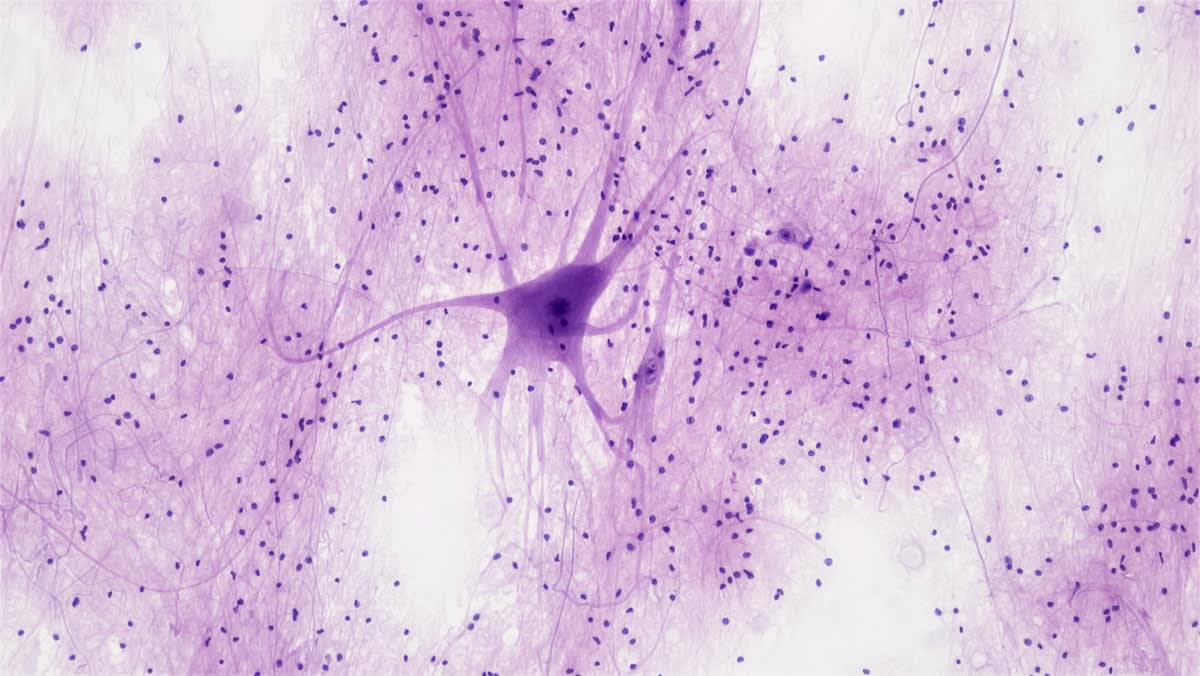
Organoid Intelligence: Computing in a Dish
According to recent research published in Nature, the evolution of brain-inspired computing has followed a predictable trajectory: from symbolic logic to artificial neural networks, and then to neuromorphic processors. However, neuromorphic computing—which mimics the signaling behavior of neurons—still relies on inorganic materials. Organoid Intelligence (OI) breaks this cycle by incorporating living neural structures. These organoids are not merely biological mimics; they possess the capacity for synapse formation and inherent flexibility that no silicon chip can replicate. Why settle for a mathematical approximation of a neuron when you can utilize the neuron itself?
"OI uses lab-grown brain cellular structures, such as living neural organoids with electrical activity, synapse formation and primitive learning, as a substrate for computation."— Nature (July 2026)
The implications for robotics are staggering. Traditional robots struggle with spatial navigation and real-time adaptation because they process data linearly or through rigid layers of weights. A biohybrid robot, powered by an OI substrate, would possess a native ability for spatial navigation derived from the actual neuroscience of the brain. This is not about adding a 'bio-layer' to a robot; it is about replacing the central processing unit with a living, learning biological entity that consumes a fraction of the energy required by a modern AI server.
| Feature | Traditional AI (Silicon) | Neuromorphic Computing | Organoid Intelligence (OI) |
|---|---|---|---|
| Substrate | Silicon/Transistors | Memristors/Silicon | Living Neural Tissue |
| Energy Efficiency | Low (High Heat) | Medium | High (Biological) |
| Learning Method | Backpropagation | Spiking Neural Nets | Synaptic Plasticity |
| Adaptability | Rigid/Pre-trained | Dynamic | Fluid/Organic |
As we move from the theoretical to the applied, the infrastructure required to support these biological systems is becoming a geopolitical priority. We are no longer just fighting over lithography machines; we are fighting over the ability to sustain living computation. This requires a complete rethink of how we power and cool our machines, moving away from heat sinks and toward nutrient delivery systems.
The Efficiency Imperative
The energy gap between a human brain (roughly 20 watts) and a high-end AI training cluster (megawatts) is the primary driver for the biohybrid revolution. OI isn't just a scientific curiosity; it is an energy necessity.
Engineering Life: The Rise of the Synthetic Cell
While OI focuses on the 'brain' of the robot, other breakthroughs are targeting the 'body.' Researchers at the University of Minnesota have recently achieved a milestone that pushes the boundary between chemistry and life. They have developed 'SpudCell,' a synthetic cell built entirely from nonliving chemical components. This is a critical distinction: they did not modify an existing cell; they assembled one from scratch. This lab-made system can grow, replicate its genetic material, and divide, passing beneficial traits to future generations.
What does a synthetic cell have to do with robotics? Everything. The goal of biohybrid robotics is to create machines that can self-repair and grow. By integrating synthetic cells into the chassis of a robot, we move toward 'living hardware.' Imagine a robotic limb that doesn't need a replacement part when it wears down, but instead replicates its own structural cells to heal the damage. The University of Minnesota's work proves that we can engineer the basic functions of life—feeding, growing, and dividing—without needing a pre-existing biological organism.
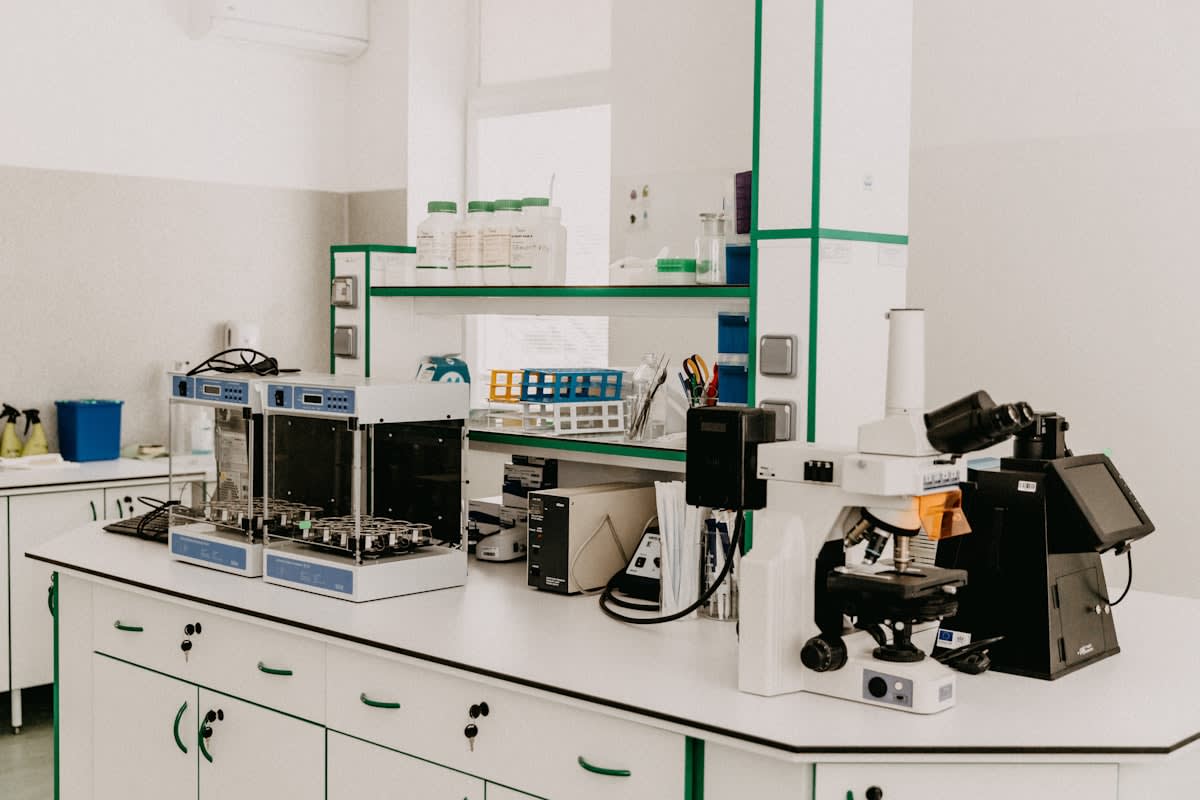
However, these synthetic cells currently exist in a fragile state. As noted by the researchers, SpudCell cannot survive outside carefully controlled laboratory conditions and requires externally supplied nutrients. The bridge between the petri dish and the robotic chassis is the development of a 'bio-support' system—an internal circulatory network that provides the necessary chemical environment for these synthetic cells to function in the wild.
The Industrial Scale: Substrates as Strategic Assets
The transition to biohybrid substrates is not just happening in academic labs; it is influencing the largest capital expenditures in the electronics industry. Samsung Electro-Mechanics has announced a massive investment of 23 trillion won in its Sejong and Busan operations through 2040. While the immediate focus is on AI server package substrates and MLCCs (Multi-Layer Ceramic Capacitors), the sheer scale of this investment signals a preparation for a new era of hardware. The Yeongnam and Chungcheong regions of South Korea are being positioned as the epicenters for the next generation of AI hardware.
Why does this matter for the organic interface? Because the integration of biological organoids and synthetic cells into machines requires a new class of interface substrates. We need materials that can conduct both electrical signals (for the silicon side) and chemical signals (for the biological side). Samsung's push into advanced server substrates is the first step in creating the physical infrastructure that will eventually house these biohybrid systems. The 23 trillion won bet is a signal that the industry knows the current silicon architecture is a stepping stone, not the destination.
- Biological Stability: Maintaining the viability of living neural structures outside a lab.
- Nutrient Logistics: Developing 'robotic veins' to feed synthetic cells and organoids.
- Ethical Frameworks: Defining the status of 'intelligence-in-a-dish' as it gains complexity.
- Signal Translation: Converting ionic biological signals into binary electronic data with zero latency.
This global race for substrate dominance is mirrored in other innovation hubs. From the breakthrough-driven ecosystem in Israel to the industrial powerhouses of South Korea, the goal is the same: to find the medium that allows AI to transcend the limitations of the chip. We are moving toward a world where the 'robot' is no longer a machine in the traditional sense, but a symbiotic entity—part engineered silicon, part cultivated biology.
Projected Shift in Computational Substrate Investment (2024-2040)
Executive Insight
+18.4%
YTD Growth
Ultimately, the organic interface is the final frontier of robotics. By merging the precision of synthetic cells with the processing power of organoid intelligence and the industrial scale of advanced substrates, we are redefining life and machine. The 'so what' is simple: the next generation of robots will not be programmed; they will be grown. This is not a distant sci-fi fantasy—it is the current trajectory of the most advanced labs on the planet.