
For decades, the birthday was the only metric that mattered. You were 40, 60, or 80 because the calendar said so. But a seismic shift is occurring in how the global elite and health-conscious populations perceive time. In the high-rises of Mumbai, luxury is no longer defined by the brand of a handbag or the exclusivity of a dinner reservation. Instead, the new currency is the sleep score, muscle mass, and, most critically, biological age. People are no longer asking how old they are; they are asking how old their cells are. This movement marks a transition from reactive medicine—waiting for a symptom to appear—to a proactive, data-driven obsession with cellular preservation.
Why the sudden urgency? The delta between where we were twelve months ago and where we are now is a matter of accessibility and precision. While biological age tracking was once the province of academic laboratories, it has leaked into the consumer market through private longevity clinics and wearable tech. The conversation has shifted from simply looking younger to living healthier for longer. We are seeing the rise of a global 'longevity movement' where continuous glucose monitors and biological-age testing are becoming standard dinner-table topics, replacing traditional status symbols with metrics of metabolic efficiency.
The Mechanism: DNA Methylation and the Epigenetic Clock
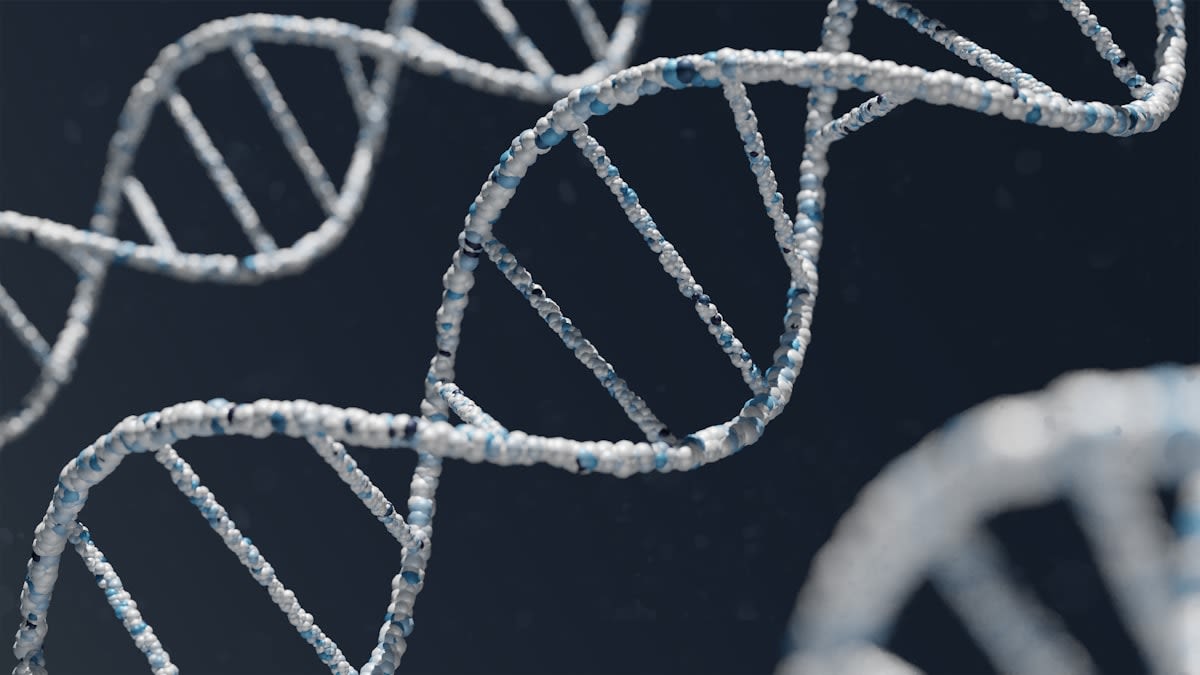
At the heart of this trend lies the epigenetic clock, a sophisticated tool that measures DNA methylation. Unlike the static sequence of your genome, the epigenome is dynamic, changing in response to environment, diet, and stress. Researchers, including those building on the foundational work of Steve Horvath, use these methylation patterns as biomarkers to estimate biological age. By analyzing specific sites on the DNA, these clocks can determine if a person's body is functioning like that of someone older or younger than their chronological years. It is a biological audit that reveals the true cost of our lifestyle choices.
"The fundamental question is no longer simply, 'Can we measure biological age?' but 'Should we, and for whom?'"— Dr. Orhan Onder, Physician and Ethicist
This measurement isn't just a vanity metric. It provides a window into the acceleration of aging. When biological age outpaces calendar age, it signals physical deterioration. This gap allows scientists to identify disease risks far earlier than traditional screening. For instance, recent research into cell-type specific epigenetic clocks is now allowing clinicians to quantify biological age at a cellular resolution, meaning we can potentially see which specific organs are aging faster than others. This precision transforms the vague concept of 'getting old' into a manageable set of data points.
Environmental Accelerators: The Climate Connection
The impact of the environment on our biological clock is becoming alarmingly clear. Recent data from southern China and subtropical climate zones reveals a disturbing correlation between scorching summers and accelerated biological aging. Researchers used a validated method combining eight different blood and health markers to estimate biological age, finding that heatwaves significantly speed up the aging process. This isn't a uniform effect; it targets the vulnerable. Those with a body mass index (BMI) of 23 kg/m² or higher showed a more pronounced acceleration compared to leaner individuals, suggesting that metabolic health dictates how well we withstand environmental stress.
| Biological Age Marker | Function/Indication | Impact of Heatwaves |
|---|---|---|
| Cholesterol | Lipid profile/Cardiovascular health | Potential acceleration |
| Blood Sugar | Metabolic regulation | Increased volatility |
| Blood Pressure | Vascular tension | Higher biological age correlation |
| Kidney Function Indicators | Filtration efficiency | Stress-induced decline |
| Inflammation Signals | Systemic immune response | Significant spike in urban dwellers |
The disparity between urban and rural dwellers further complicates the picture. Urban residents in these subtropical zones experienced stronger aging effects, likely due to the compounding impact of the urban heat island effect and pollution. This suggests that where you live is now as critical to your biological age as your genetic predispositions. The biological clock is effectively recording the environmental trauma of the 21st century, turning our cells into historians of the climate crisis.
Beyond Humans: The Animal Longevity Race
The obsession with biological age has extended to our companions. In the veterinary world, aging was long viewed as an inevitable slide toward decline—shorter walks and more naps. Now, biotech startups like Loyal are treating dog aging as a detectable and potentially slowable process. By identifying biological clues, researchers are moving toward a proactive model of veterinary medicine. The goal is no longer just to manage the symptoms of old age in dogs but to intervene in the biological process of aging itself.
Parallel research in non-human primates is providing even deeper insights. A novel epigenetic clock developed for Rhesus Macaques has unveiled a startling association between early life adversity and epigenetic age acceleration. This proves that the biological clock doesn't just track time; it tracks trauma. The scars of early hardship are etched into the methylation patterns of the DNA, accelerating the aging process long before the organism reaches old age. This cross-species data reinforces the idea that biological age is a composite of genetics, environment, and experience.
The Ethics of the Longevity Market
As biological age tracking moves from the lab to the luxury clinic, a new divide is emerging. In cities like Mumbai, the 'longevity movement' is characterized by hyperbaric oxygen chambers, cryotherapy, and personalized supplements. While these tools offer a promise of resilience, they also raise urgent questions about inequality. If the ability to slow one's biological clock is locked behind a paywall, longevity becomes the ultimate status symbol—a way for the wealthy to literally buy more time.
The Next Frontier
The current frontier of longevity isn't just measurement, but intervention. Emerging therapies such as senolytics (which clear out 'zombie' cells) and epigenetic reprogramming aim to actually reverse the clock, moving beyond slowing decline to active rejuvenation.
However, we must be wary of the commercialization of aging. Dr. Orhan Onder warns that better measurement does not automatically translate to better medical decisions. The danger lies in the 'bio-hacking' mentality, where individuals chase a lower biological age number without a comprehensive medical strategy. The focus must remain on healthspan—the period of life spent in good health—rather than simply extending the chronological lifespan through expensive, unproven interventions.

Ultimately, the shift toward biological age tracking represents a broader human desire for agency. We are refusing to accept the calendar as destiny. Whether it is through managing stress, optimizing sleep, or mitigating the effects of a warming planet, the goal is resilience. By understanding the epigenetic clock, we are not just measuring our decline; we are searching for the levers that allow us to push back against the inevitable.