
The Obsession with the Calendar
The calendar is a blunt instrument. It tells us how many times we have orbited the sun, but it says absolutely nothing about the state of our mitochondria or the methylation patterns of our DNA. For decades, medicine treated age as a fixed variable—a risk factor we simply accepted. But a seismic shift is occurring. We are moving from chronological age to biological age, a metric that reflects the actual functional state of our cells. Why do two 50-year-olds possess vastly different health profiles? One might have the cardiovascular system of a 30-year-old, while the other struggles with the systemic inflammation of a 70-year-old. The delta between these two numbers is where the future of preventative medicine lives.
This isn't just about living longer; it is about extending the healthspan. The goal is to compress morbidity, ensuring that the decline of the body happens rapidly at the very end of life rather than as a slow, decades-long erosion of quality. Across the globe, from the high-tech longevity clinics of Singapore to the biohacking hubs of San Francisco and the private wellness retreats in Zurich, the conversation has shifted. We are no longer asking how to survive old age, but how to maintain cellular youth indefinitely.
The Epigenetic Clock: Measuring the Invisible
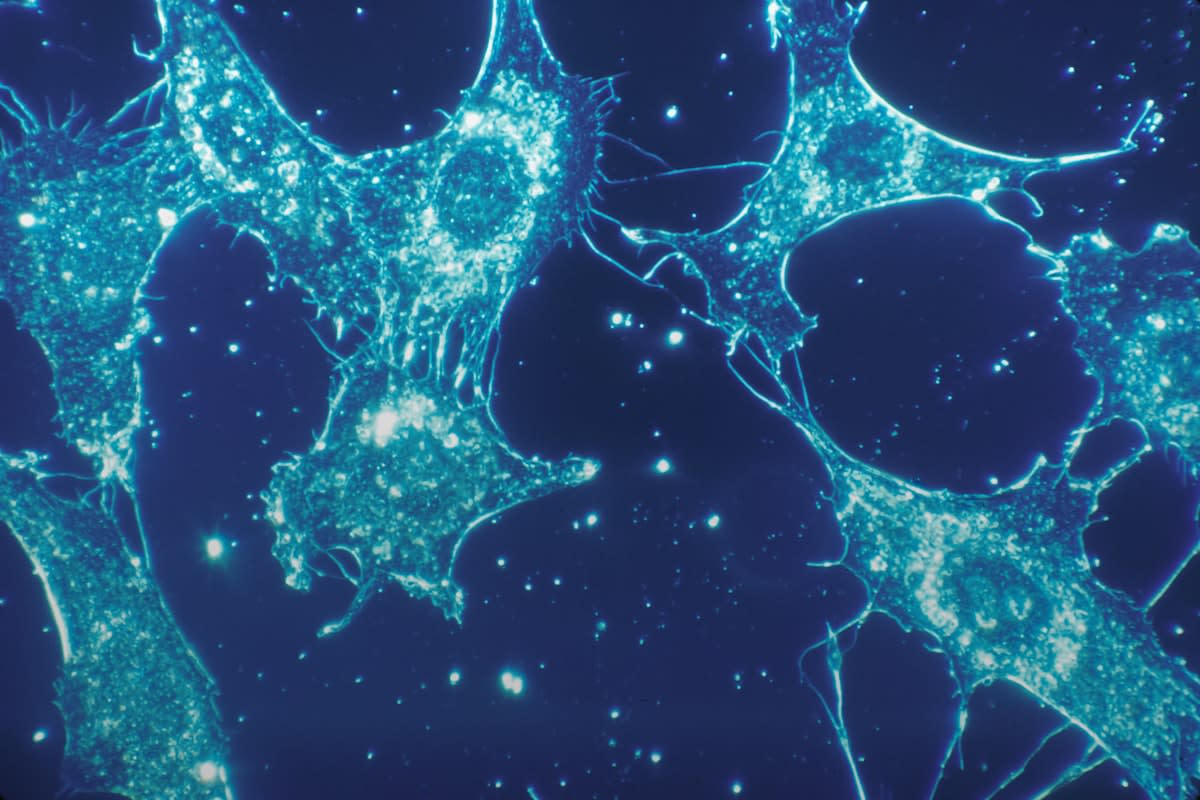
At the heart of this trend is epigenetics. While our genetic code is the hardware, the epigenome is the software that tells the cells which genes to turn on or off. Over time, this software glitches. Chemical tags called methyl groups attach to our DNA, silencing essential genes and activating harmful ones. This process is not random; it follows a predictable pattern that researchers have turned into a clock. By analyzing specific CpG sites in the genome, scientists can now estimate a person's biological age with startling precision.
"The epigenetic clock does not just measure time; it measures the accumulation of biological stress and the efficiency of cellular repair mechanisms."— Steve Horvath, Professor of Genetics and Genomics at UCLA
Twelve months ago, these tests were the province of the ultra-wealthy and the obsessive biohacker. Today, we are seeing a democratization of biological age tracking. Direct-to-consumer kits are flooding markets in North America and Europe, allowing users to track their 'age acceleration' in real-time. This feedback loop creates a powerful psychological incentive. When a patient sees their biological age drop from 45 to 42 after three months of rigorous metabolic intervention, the adherence to health protocols skyrockets. Data is the ultimate motivator.
However, the transition from research to consumer product hasn't been seamless. In my time speaking with clinic directors, the primary friction point is the 'noise' in the data. A single bout of severe illness or a period of extreme psychological stress can temporarily spike a biological age reading. Practitioners are currently debating whether a single snapshot is useful or if we need a rolling average of biological age to truly understand a patient's trajectory.
The Quest for Cellular Energy Repair
If the epigenetic clock is the speedometer, cellular energy is the fuel. The current frontier of longevity science is focused on the mitochondria—the powerhouses of the cell. As we age, mitochondrial efficiency plummets, leading to a drop in ATP production and an increase in oxidative stress. This energy crisis is what we perceive as aging: fatigue, cognitive decline, and muscle atrophy. The quest now is to repair this energy production system from the inside out.
Enter NAD+ (Nicotinamide Adenine Dinucleotide). This coenzyme is critical for energy metabolism and DNA repair. As we age, NAD+ levels crash. The rise of precursors like NMN (Nicotinamide Mononucleotide) and NR (Nicotinamide Riboside) represents an attempt to refill this cellular reservoir. The logic is simple: if you provide the cell with the raw materials for energy repair, you can potentially reverse some of the epigenetic damage recorded by the biological clocks.
| Marker | Chronological View | Biological View | Intervention Target |
|---|---|---|---|
| Age | Fixed number (Years) | Dynamic state (Epigenetic) | Lifestyle/Pharmacology |
| Energy | General decline | NAD+/ATP levels | Mitochondrial precursors |
| DNA | Static sequence | Methylation patterns | Epigenetic reprogramming |
| Health | Absence of disease | Systemic resilience | Cellular senescence clearance |
This approach is gaining traction in Japan and South Korea, where the integration of traditional longevity diets with modern nutraceuticals is creating a hybrid model of aging management. We are seeing a move away from the 'pill for every ill' mentality toward a systemic 'tuning' of the cellular environment. It is no longer about treating the symptom of a failing heart or a fading memory, but about treating the underlying energy deficit that allows those symptoms to emerge.
The Shift: From Wellness to Clinical Standard
The most significant delta in the last year is the movement of biological age tracking from the 'wellness' category into the 'clinical' category. We are seeing the first iterations of insurance companies considering biological age as a metric for underwriting. While controversial, the logic is undeniable: a person with a biological age 10 years younger than their chronological age is a lower risk. This is the beginning of a total restructuring of how we value human health.
- Integration of multi-omic data (proteomics, metabolomics, and epigenetics) for a 360-degree biological age profile.
- The rise of senolytics—drugs designed to clear 'zombie cells' that secrete inflammatory signals.
- Increased regulatory scrutiny of NAD+ precursors as they move from supplements to pharmaceutical-grade interventions.
- Global adoption of the WHO's ICD-11 coding, which acknowledges aging as a biological process that can be modified.
But we must ask: who gets access to this technology? There is a growing risk of a 'biological divide,' where a wealthy elite can effectively purchase a lower biological age through expensive interventions and constant tracking, while the general population remains tethered to the slow decay of chronological time. The challenge for the next decade is not just the science of repair, but the ethics of distribution.
Practitioner's Insight
The current debate among longevity researchers focuses on whether biological age is a 'cause' of aging or merely a 'symptom.' If we change the clock without changing the underlying cellular pathology, are we actually healthier, or are we just manipulating a biomarker? This distinction will define the next era of clinical trials.
Fact-Check & Accuracy Note
Key claims regarding epigenetic clocks are sourced from the work of Dr. Steve Horvath and the UCLA epigenetic research group. Data regarding NAD+ and cellular energy repair are based on published research from the Harvard Medical School longevity group. The transition of aging to a modifiable condition is reflected in the World Health Organization's updated classification systems (ICD-11).