Houthi strikes on Saudi Arabia? Pakistan's role under lens; pact without an impact
Source Entity
DHRUV YADAV
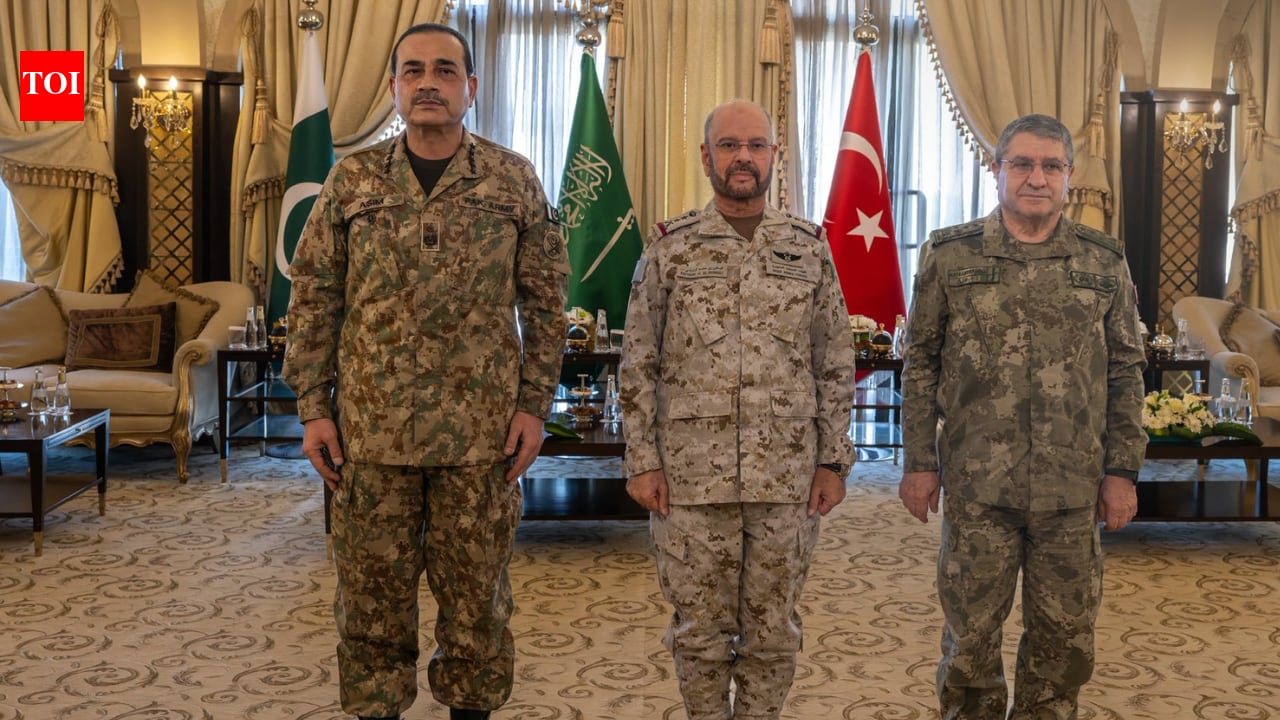
Saudi Arabia, Turkey, and Pakistan are convening urgent high-level meetings to address Houthi aggression under their newly formed 'Mecca' joint defense pact. Despite the strategic alliance and existing military deployments, the operational clarity of Pakistan's support remains a point of international scrutiny.
The Mecca Pact: A New Security Architecture
The signing of the 'Mecca' joint defense pact on August 7 represents a significant pivot in regional security dynamics involving Saudi Arabia, Turkey, and Pakistan. Triggered by persistent Houthi attacks on Saudi territory, this trilateral agreement seeks to formalize collective security measures against regional threats. By positioning the defense of Mecca as a 'red line,' Pakistani leadership has elevated the stakes, framing the conflict not merely as a border dispute but as a matter of profound religious and national significance.
Operational Ambiguity and Military Deployment
While the pact promises mutual defense, the practical application of this agreement remains shrouded in uncertainty. Pakistan has already deployed military personnel and equipment to the region; however, their specific operational mandate remains undefined. The lack of clarity regarding the rules of engagement for these deployed forces suggests that, while the political will for an alliance exists, the logistical and strategic integration of these three distinct military powers is still in its infancy.
Diplomatic Maneuvering and Strategic Hesitation
Recent high-level meetings, including discussions between Turkish Chief of General Staff General Selcuk Bayraktaroglu and his Pakistani and Saudi counterparts, have yet to produce concrete timelines or specific combat strategies. This hesitation highlights the complexities of multilateral defense agreements. Despite the rhetoric of 'attack one, attack all,' the practical execution of such a mandate requires deep intelligence sharing and unified command structures that have not yet been fully realized.
The Role of Multilateral Coalitions
Notably, the Islamic Military Counter Terrorism Coalition (IMCTC) has remained largely inactive regarding the Houthi threat. The reliance on a new, smaller trilateral pact—the Mecca Pact—instead of existing institutional frameworks suggests a preference for a more agile, targeted security response. This shift reflects a move toward 'minilateralism,' where regional powers prefer to form smaller, high-stakes coalitions to address specific security challenges rather than relying on broader, slower-moving international organizations.
Broader Geopolitical Implications
For Saudi Arabia, the pact is a vital signal of regional backing as it contends with persistent cross-border threats from Yemen. For Turkey and Pakistan, the agreement serves as a platform to project influence in the Middle East and demonstrate their commitment to the security of the Kingdom. However, the effectiveness of this pact will ultimately be measured by its ability to deter further Houthi aggression and the willingness of the signatory nations to transition from diplomatic pledges to active, coordinated defense operations.
Future Trends and Conclusion
As the situation evolves, the international community will be watching closely to see if the Mecca Pact results in tangible military cooperation or remains a symbolic deterrent. If the pact fails to operationalize, it could weaken the credibility of the signatories' regional security commitments. Conversely, successful coordination could set a new precedent for regional defense, signaling to adversaries that Saudi Arabia's security is backed by a robust, multi-national defensive perimeter.
Multiple Citing Sources