US planning military action in Cuba? Officials weigh 'possible' military action
Source Entity
ARYAN SINGH
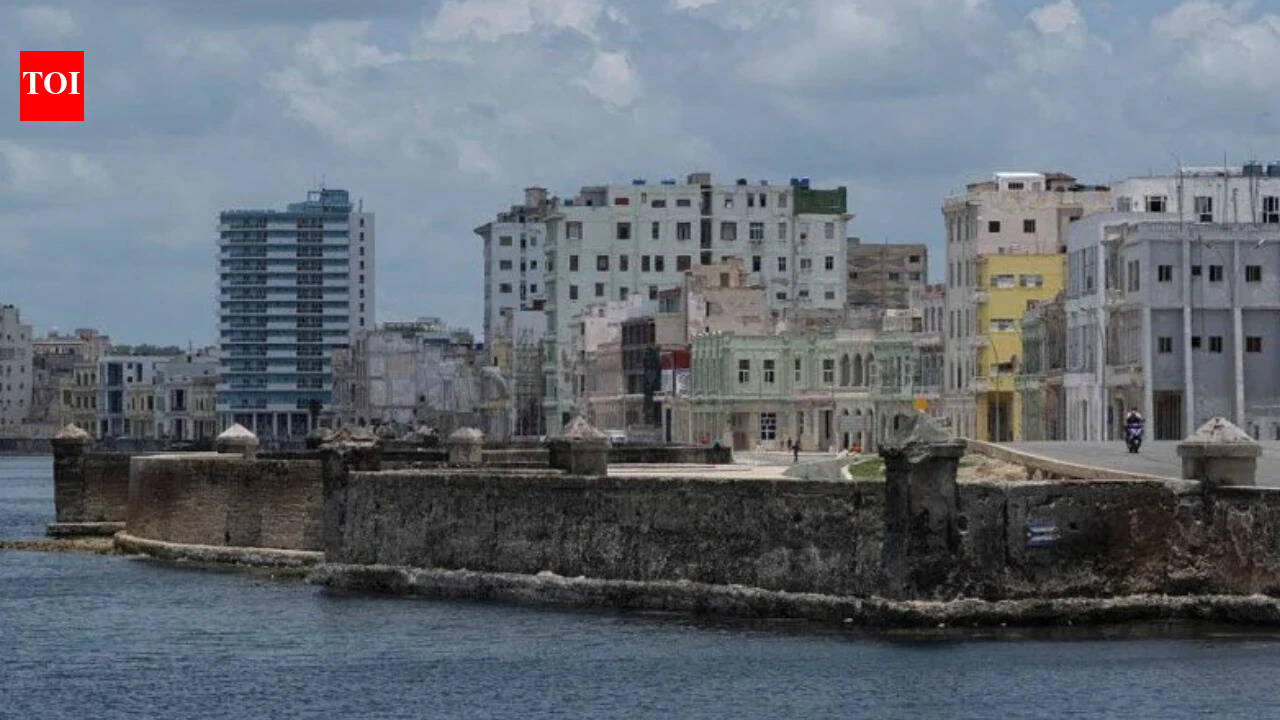
The US Army Reserve is evaluating potential deployments of military police and medical units to support Southern Command operations. This strategic shift is driven by rising regional tensions and military developments involving Cuba.
Strategic Realignment: US Military Posture Toward Cuba
Recent intelligence suggests a significant shift in regional security strategy, as the United States Army Reserve evaluates the deployment of specialized personnel to bolster Southern Command (SOUTHCOM) operations. This initiative, centered on the potential mobilization of military police and medical units, marks a notable change in the tactical readiness of US forces in the Caribbean theater.
Drivers of Escalation
The decision to assess deployment capabilities is reportedly a direct response to intensifying regional tensions and recent military developments surrounding Cuba. By focusing on the integration of support units—specifically military police for stability and medical personnel for operational sustainment—the US is signaling a proactive approach to potential contingencies. These developments indicate that Washington is closely monitoring the evolving security environment in its immediate periphery.
Operational Timelines and Logistics
According to the current assessments, the military is planning for a strategic window of 90 to 120 days. During this timeframe, the focus will be on the surge capacity of logistics and engineering units. These specialized forces are essential for establishing the infrastructure necessary to support sustained military presence, suggesting that the planning phase is moving toward a state of heightened readiness.
The Role of Southern Command
US Southern Command is responsible for providing contingency planning and operations in Central and South America and the Caribbean. The involvement of the Army Reserve highlights the need for specialized personnel who are not always permanently stationed in the theater. By leveraging reserve components, the military can rapidly expand its footprint without necessarily committing permanent, large-scale active-duty combat formations immediately.
Broader Geopolitical Implications
The prospect of enhanced US military presence near Cuba carries significant geopolitical weight, given the historical sensitivity of US-Cuba relations. Any movement toward militarization in this region is likely to be viewed as a signal of deterrence. The reliance on logistics and engineering units suggests that the US is prioritizing the ability to sustain operations, which is a hallmark of long-term strategic positioning rather than just short-term signaling.
Future Outlook
As the 90 to 120-day planning window progresses, the international community will likely watch for further indicators of troop movements or logistical staging. The integration of these units into SOUTHCOM operations will remain a critical metric for assessing the escalation level of the current diplomatic and military standoff. If these deployments proceed, it would represent a substantial hardening of the US regional defense posture in the Caribbean.