12-hour parole, Cambodia love story: Haryana gangster marries partner near jail
Source Entity
MANOJ DHAKA
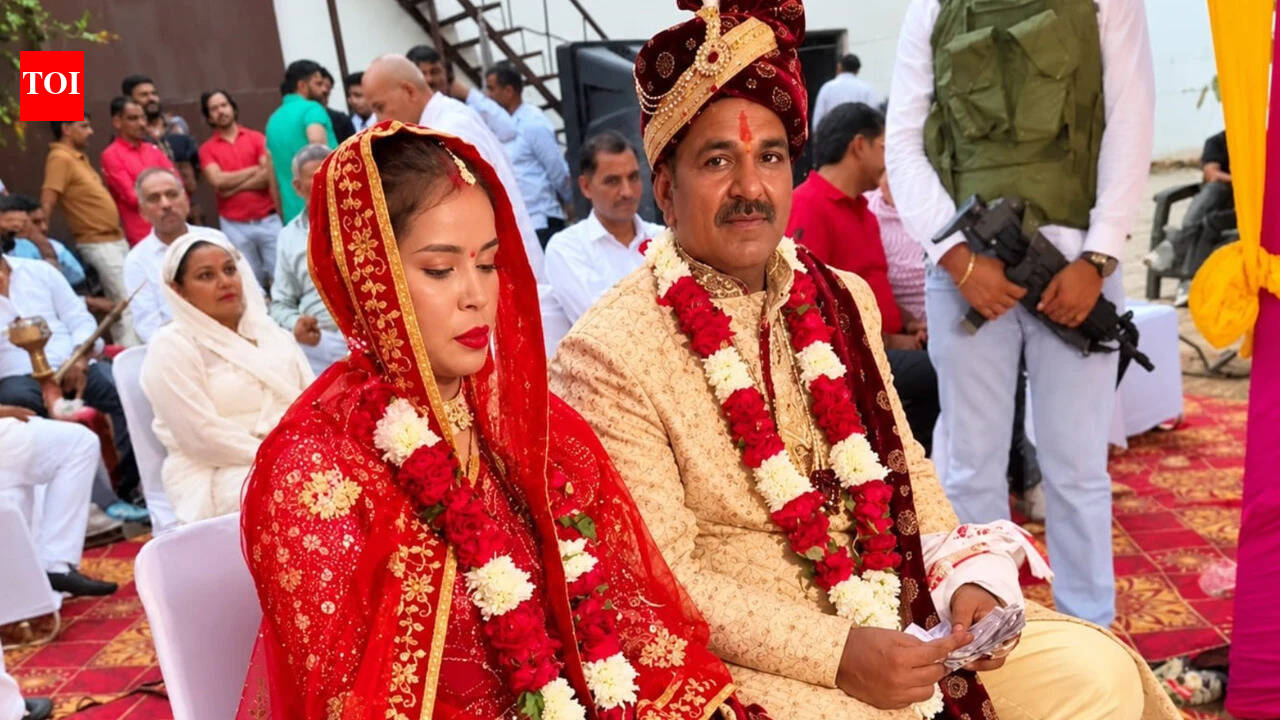
Life convict Manpal Dhilla married his Cambodian partner, Metachan, during a court-granted 12-hour parole near Jhajjar jail. The high-security event proceeded without incident, with the bride planning a brief stay with her in-laws.
A Cross-Border Union Behind Bars
The marriage of 45-year-old life convict Manpal Dhilla to his 36-year-old Cambodian partner, Metachan, stands as a rare and high-profile intersection of the Indian judicial system and international personal narratives. Held at a farmhouse in the vicinity of Jhajjar jail, the event highlights the complexities of maintaining personal human rights while serving a life sentence. The granting of a 12-hour custody parole allowed for a traditional wedding ceremony, bridging the gap between a restricted life behind bars and the personal aspirations of an inmate.
Judicial Discretion and Custody Parole
The legal framework allowing Dhilla to temporarily exit Jhajjar jail underscores the nuance of Indian parole laws, which can permit inmates to attend significant family milestones under strict supervision. By granting a window from 8:00 AM to 8:00 PM, the court balanced the convict's right to marry with the necessary security protocols required for a high-profile individual. This 12-hour window was not merely a ceremonial allowance but a carefully managed logistics operation overseen by local law enforcement.
Security Protocols and Public Order
Given Dhilla's status as a gangster, the wedding was subjected to intense scrutiny by local authorities. Sub-inspector Dharmendra of the Jhajjar Sadar police station confirmed that security was significantly bolstered to prevent any potential disruptions. With approximately 500 guests in attendance, the presence of law enforcement served as a precautionary measure to ensure that the event remained peaceful and that the transition from jail to the farmhouse and back occurred without security breaches.
Cultural Integration and Future Implications
Metachan’s journey from Cambodia to Haryana to marry an inmate reflects a profound commitment that transcends geographical and legal barriers. Her stated intention to spend time with her in-laws following the ceremony indicates a desire to integrate into the family unit despite the constraints placed upon her husband. This situation poses unique questions regarding the long-term status of such marriages and the support systems required for international spouses of incarcerated individuals within the Indian legal context.
Societal and Legal Reflections
Events of this nature often spark broader debates regarding the rehabilitation of inmates and the role of family support in the justice system. While the wedding was a private affair, the public nature of the security measures highlights the tension between the notoriety of the individual and the private nature of the matrimonial rite. As the legal system continues to navigate requests for temporary release, the Dhilla case serves as a point of reference for how authorities manage high-profile inmates seeking to exercise their fundamental rights to companionship and family life.