We spent the last few years obsessing over digital intelligence while the actual biological hardware—the human body—began to glitch in real-time. This week, the data confirms a grim reality: we are aging faster than our parents did, and our healthcare systems are playing a losing game of catch-up. Why is the gap between chronological age and biological decay widening for the young?
The evidence arrived on June 22 via a study in Nature Medicine. By analyzing over 150,000 adults in the UK Biobank, researchers found that younger generations are exhibiting a wider gap between their actual age and their biological age. This isn't just a curiosity of longevity science; it is a catalyst for disease. This accelerated decay is now linked to a spike in early-onset lung, gastrointestinal, and uterine cancers.
"Our findings suggest that some younger adults may be experiencing these biological changes earlier than expected, and that this could be linked to the rising rates of cancers seen in younger generations."— Yin Cao, Associate Professor at Washington University School of Medicine
The Youth Cancer Crisis
The trend is most visible in the gut. Colorectal cancer, once the territory of the elderly, has become the leading cause of cancer-related deaths in younger adults. The American College of Surgeons is now sounding the alarm, warning that doctors too often dismiss bowel symptoms in patients under 50 as mere constipation or hemorrhoids. This clinical complacency is costing lives.
| Metric | Observation | Impact |
|---|---|---|
| UK Biobank Cohort | 150,000+ adults | Linked biological aging to early-onset cancer |
| Colorectal Trend | Under-50s surge | Leading cancer death cause for young adults |
| Congo Ebola (June 29) | 1,274 confirmed cases | 360 deaths reported |
While the West grapples with the slow-burn crisis of biological aging, other regions are fighting acute, lethal surges. In the Democratic Republic of Congo, the situation is critical. As of June 29, 2026, confirmed Ebola cases have hit 1,274, with 360 deaths. The virus doesn't care about the biological age of the host; it simply exploits the gaps in regional healthcare infrastructure.
The Global Delta
The 'So What?': Whether it is a slow biological decay in London or a viral explosion in Congo, the common thread is a failure of early detection. We are treating the symptoms of a systemic collapse rather than the triggers.
The High-Tech Counter-Attack
Industry giants are finally moving past the AI hype to build tools that actually matter. Roche has launched the Axelios gene sequencer, a direct move to break Illumina's stranglehold on the market. If we are to map the biological aging gap in millions of people, we need sequencers that are faster, cheaper, and more accessible.
This technical pivot culminates this October in New Orleans at the AAPS PharmSci 360 event. The focus has shifted from generic drug development to quantitative pharmacology. We are seeing a move toward in silico modeling and PBPK (Physiologically Based Pharmacokinetic) approaches to predict how drugs interact with a body that is aging faster than the calendar suggests.
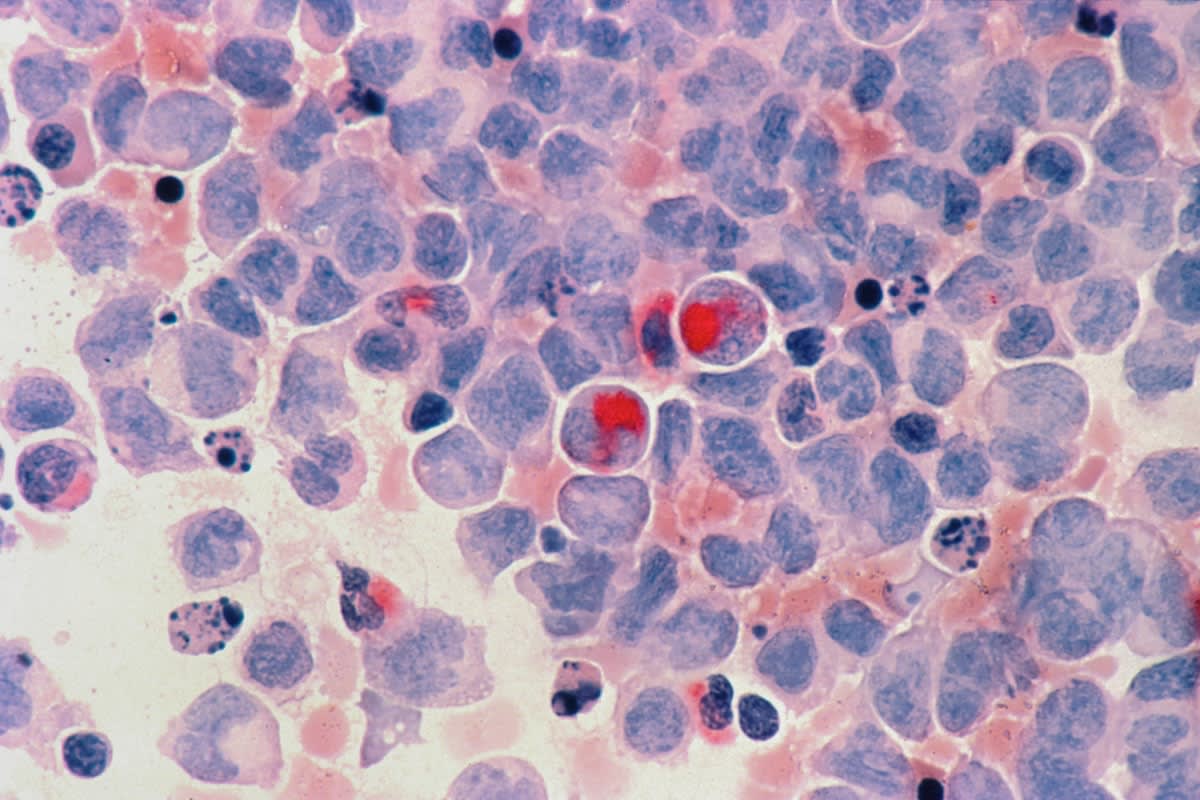
Even the most aggressive cancers are being mapped with new precision. NYU Langone Health researchers recently uncovered exactly how leukemia cells infiltrate the lungs. They found that AML cells leak through the thin alveolar wall blood vessels into the stroma, destroying the endothelial capillary aerocytes that allow us to breathe. This is the level of granularity required to stop the trend of respiratory crises in cancer patients.
The question remains: can the technology scale fast enough to meet the biological acceleration? We have the sequencers and the models, but we still have 360 deaths from Ebola in a single outbreak and a generation of 30-year-olds with the biological markers of 50-year-olds. The tools are here. The execution is where we are failing.