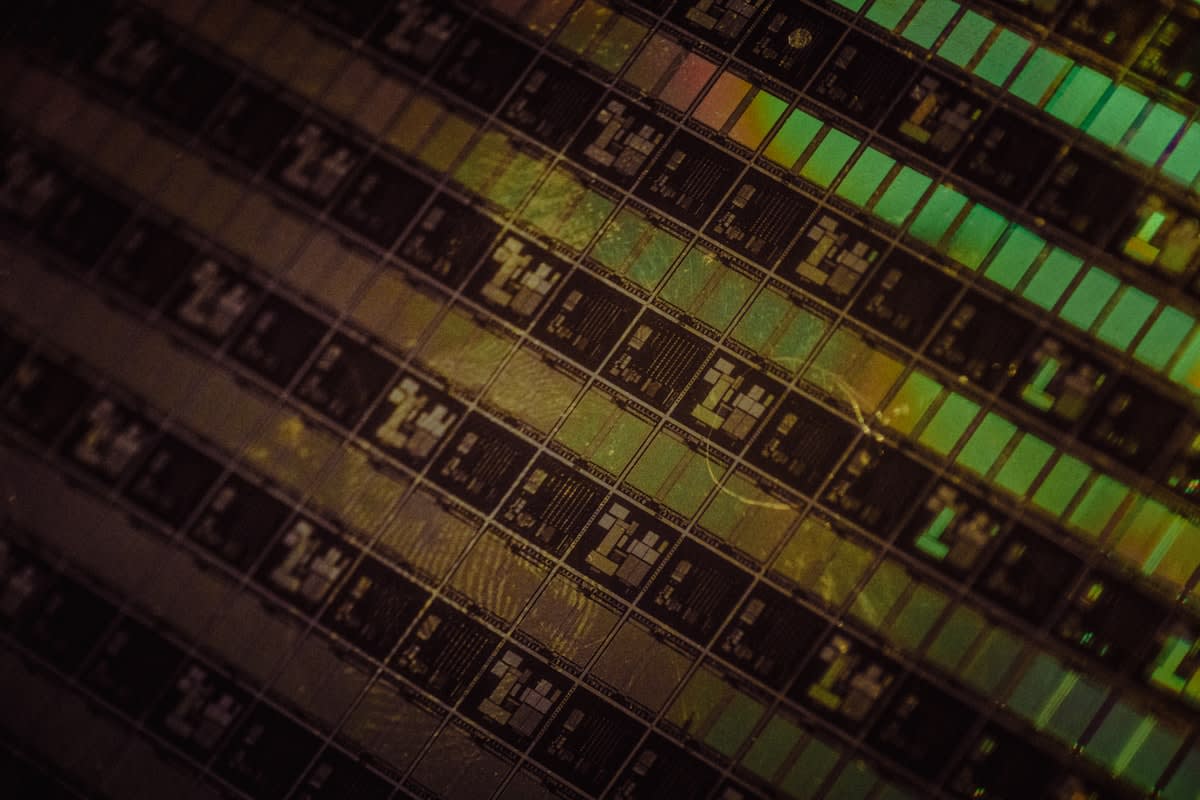
The math of traditional AI is becoming unsustainable. While the industry celebrates the arrival of next-generation chips, the underlying energy cost is reaching a breaking point. We are witnessing a collision between the insatiable demand for compute and the physical limits of the power grid. PwC predicts that annual spending on data centers will climb from $800 billion this year to $1.8 trillion by 2050, with cumulative AI capex potentially hitting $31.6 trillion by mid-century (Source: Telecoms, 2026). When the cost of progress exceeds the GDP of the world's largest economy, the industry is forced to look beyond the transistor. This month, that search has led us back to biology.
The Slime Mold Paradigm: Decentralized Efficiency
In Tokyo, researchers are finding answers in the most unlikely of places: amoeba-like organisms. A team at Waseda University has recently detailed a way to model slime molds to produce ultra-efficient, low-energy computers (Source: The Debrief, 2026). Unlike the rigid, centralized architecture of a GPU, these biological systems utilize a decentralized mode of information processing. This is not just a scientific curiosity; it is a targeted attack on the energy inefficiency of combinatorial optimization problems—tasks that currently burn massive amounts of compute and electricity in traditional data centers.
"The increased flexibility of our model can accelerate the development of energy-efficient slime-mold computers. This decentralized mode of information processing could prove valuable for AI and large-scale combinatorial optimization, where conventional computers require significant power consumption."— Dr. Masahito Mochizuki, Professor at Waseda University
Why does this matter now? Because the 'delta' between last year's experimental biological computing and this month's results is the transition from observation to modeling. We are no longer just watching slime molds solve mazes; we are building computational models based on their survival strategies to bypass the energy bottlenecks of silicon. The shift represents a fundamental change in how we view 'compute'—moving from the movement of electrons across a gate to the organic growth and adaptation of a living system.
Wetware in the Cloud: The Rise of Organoid Platforms
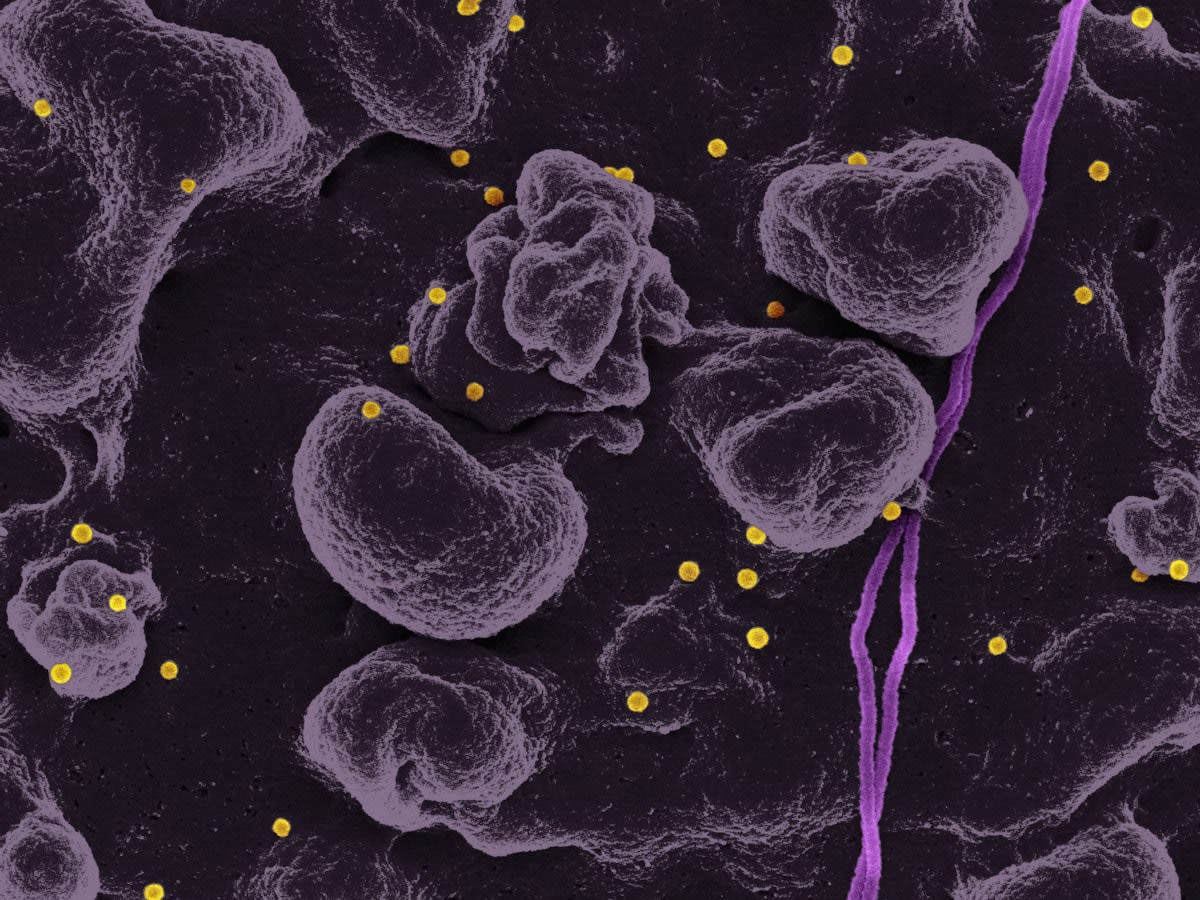
While Japan focuses on slime, Switzerland is scaling human biology. FinalSpark SA has launched Neuroplatform, a remote research platform that allows scientists to conduct biocomputing experiments using human brain organoids (Source: Yahoo Finance, 2026). This is a pivotal moment for the $2.9 billion biological computing market. By providing cloud-based access to living neuron systems, the platform removes the barrier of entry for researchers who cannot maintain their own sterile, high-cost biological labs. It allows for real-time electrical stimulation and electrophysiological recording through multi-electrode arrays, effectively treating biological tissue as a programmable API.
The implications for energy efficiency are staggering. A human brain operates on roughly 20 watts of power—barely enough to light a dim bulb—while performing tasks that would require a small power plant for a comparable AI cluster. By integrating these organoids into a cloud framework, we are seeing the first real attempts to merge the scalability of the cloud with the adaptive, low-energy nature of biological neural networks. The goal is no longer to simulate a brain in silicon, but to use the brain's own hardware to perform the computation.
The Genomic Data Explosion
The urgency of this shift is underscored by the sheer volume of biological data we are now producing. The National Center for Biotechnology Information's GenBank repository illustrates this growth vividly. In 2024, the database contained approximately 25 trillion base pairs and 3.7 billion sequences; by 2025, this had expanded to roughly 34 trillion base pairs and 4.7 billion sequences (Source: Yahoo Finance, 2026). We are generating biological data faster than silicon-based AI can process it efficiently. It is a recursive problem: we need more compute to analyze the genome, but that compute consumes more energy, which in turn limits the scale of the research.
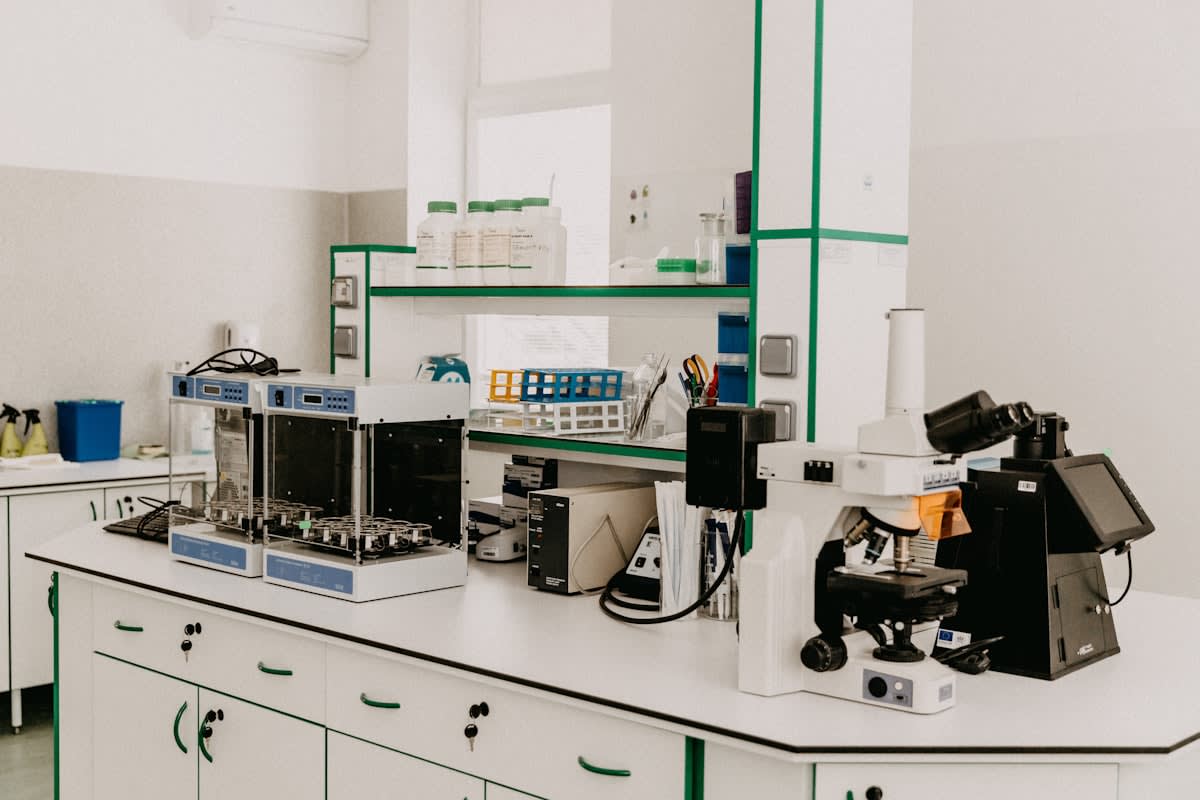
This data surge is driving strategic investments in the 'NAMs' (New Approach Methodologies) ecosystem. TriApex Laboratories Group has intensified its efforts by assembling a three-in-one technology matrix combining human organoids, organ-on-chip technology, and standardized GLP in vivo evaluation (Source: VCBeat Health, 2026). By investing in Xellar Biosystems, TriApex is moving toward an integrated non-clinical evaluation service platform. This signifies that biological computing is moving out of the 'proof of concept' phase and into an industrialization phase where biological substrates are treated as standardized components of a larger technological stack.
The Practitioner's Friction: Wetware vs. Hardware
On the ground, the transition to biological computing is fraught with a kind of friction that silicon engineers aren't used to. In a traditional data center, if a server fails, you swap a blade or reboot the VM. In biocomputing, your 'processor' can die, mutate, or simply stop responding because the nutrient medium pH shifted by a fraction. Practitioners in the field are currently debating the trade-off between the extreme energy efficiency of wetware and its inherent instability. There is a constant tension between the desire for 'biological purity'—using the organoid as it is—and the need for 'engineering control,' which often involves synthetic modifications to make the biological system more predictable.
Furthermore, the debate over the 'observability' of these systems is intense. How do you debug a slime mold? How do you audit the decision-making process of a neuronal organoid? Unlike a Python script, you cannot simply print the state of the system at line 42. This is where the collaboration between telcos and AI researchers becomes critical. As noted by the TM Forum, the connectivity infrastructure provided by telcos will be essential for ensuring that these new, complex AI infrastructures are secure, observable, and possible to audit (Source: TM Forum, 2026).
The Infrastructure Pivot
We are seeing a subtle but powerful shift in how the infrastructure layer is being conceptualized. While the US is expected to account for 48% of the projected $31.6 trillion AI investment, with Asia Pacific following at $8.2 trillion, the nature of that investment is diversifying (Source: Telecoms, 2026). The focus is moving from simply building larger warehouses for H100s to creating hybrid environments where biological processors handle high-complexity optimization and silicon handles the high-speed data routing.
| Feature | Silicon-Based AI | Biological Computing |
|---|---|---|
| Energy Source | Electricity (Grid) | Chemical/Nutrient |
| Processing Style | Centralized/Sequential | Decentralized/Parallel |
| Scaling Cost | Exponential (Capex) | Linear (Biological Growth) |
| Primary Strength | Precision & Speed | Optimization & Efficiency |
Is the silicon era over? Far from it. But the era of silicon as the only viable substrate is ending. The breakthroughs this month suggest that the future of compute is a hybrid one. We will likely see a world where a request is routed through a standard fiber network, processed by a biological organoid for complex pattern recognition or optimization, and then output via a traditional silicon chip. This hybridity is the only way to reconcile the growth of genomic data with the planetary limits of energy consumption.
Fact-Check & Accuracy Note
Key claims regarding Waseda University's slime-mold research are sourced from Physical Review Research via The Debrief (2026). Data on the $31.6 trillion AI capex projection is attributed to PwC via Telecoms (2026). Genomic data growth statistics are sourced from the National Center for Biotechnology Information's GenBank via Yahoo Finance (2026). The existence and capabilities of the Neuroplatform are sourced from FinalSpark SA via Yahoo Finance (2026).