'Hard For India To Move Away From Russian Energy': Team Trump On Waivers
Source Entity
NDTV News Search Records Found 1000
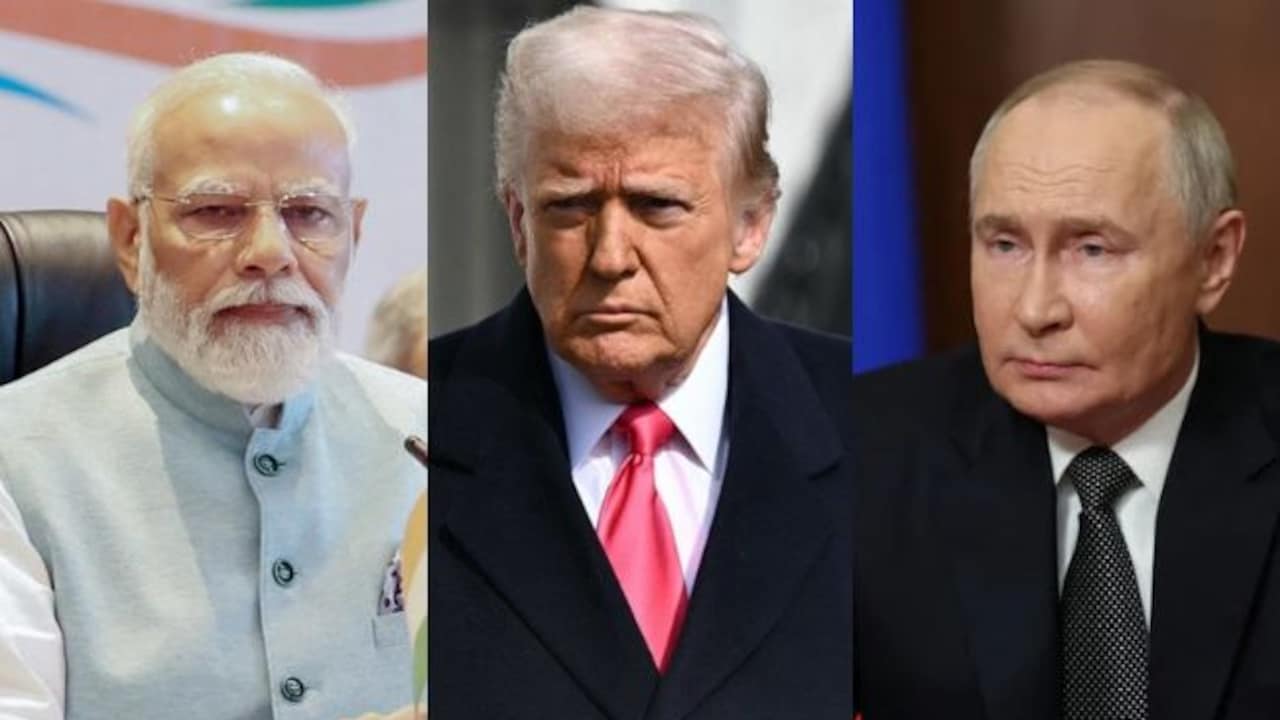
President Trump has paused potential sanctions on India regarding its Russian oil imports, granting a 60-day window to evaluate the global economic impact. This decision acknowledges India's critical dependence on energy imports, which currently rely heavily on Russian supplies.
Strategic Energy Diplomacy: The US-India Oil Paradigm
President Donald Trump’s recent decision to pause the implementation of sanctions under the 'Sanctioning Russia and Iran Act'—commonly referred to as the Graham Act—marks a significant pivot in US-India energy relations. By signing waivers that temporarily set aside potential tariffs on nations purchasing Russian oil, the administration has signaled a pragmatic approach to global energy markets. This move is particularly vital for India, a nation that currently stands as the world’s third-largest crude oil consumer, relying on imports to satisfy over 88% of its domestic demand.
The Reality of Dependency
India’s reliance on Russian crude is not merely a policy choice but a structural necessity. Data from commodity analytics firm Kpler highlights the scale of this engagement: in September alone, India imported 1.9 million barrels per day (bpd) of Russian crude, accounting for 35% of its total imports. While these figures represent a slight cooling from the all-time high of 2.8 million bpd recorded in July, they underscore that Russia remains an indispensable supplier for India’s energy security. Any immediate, aggressive imposition of sanctions by the US would have likely triggered a severe supply-side shock, harming the Indian economy and potentially destabilizing regional fuel prices.
The 60-Day Evaluation Window
Secretary of State Marco Rubio’s recent comments clarify the administration’s strategy: a 60-day period of intensive review. During this time, the White House intends to analyze the downstream economic consequences of tariffs and sanctions not just on the US, but on the global economy at large. This pause provides a crucial diplomatic buffer for New Delhi, allowing time for quiet negotiations regarding the long-term sustainability of India’s energy procurement strategies versus the US geopolitical agenda.
Historical Context and Leveraged Diplomacy
This development follows a period of heightened tension where Trump had previously threatened to curb US diesel exports to pressure G7 nations into releasing emergency petroleum reserves. By 'strong-arming' the release of 100 million barrels of products, the administration demonstrated its willingness to use energy as a primary tool of statecraft. However, the current shift suggests an admission that penalizing a strategic partner like India—which is effectively attempting to balance its own energy affordability with international pressures—is becoming increasingly difficult to justify in a fragile global market.
Future Trends in Energy Geopolitics
Looking forward, the next two months will be critical in determining whether this waiver is a temporary reprieve or a shift toward a more nuanced, flexible sanctions regime. India’s ability to maintain its energy security while navigating the complex web of the Graham Act will likely depend on its ongoing dialogue with the Trump administration. As the US evaluates the broader systemic impacts of its trade and sanction policies, the world will be watching to see if the administration maintains its protectionist rhetoric or pivots toward a more cooperative energy strategy that accounts for the realities of developing economies.
Multiple Citing Sources
Verification Required?