'Kicked me for 10 mins': Trump 'disturbed' by West Bank attack on US photojournalist
Source Entity
AADRITA HALDER
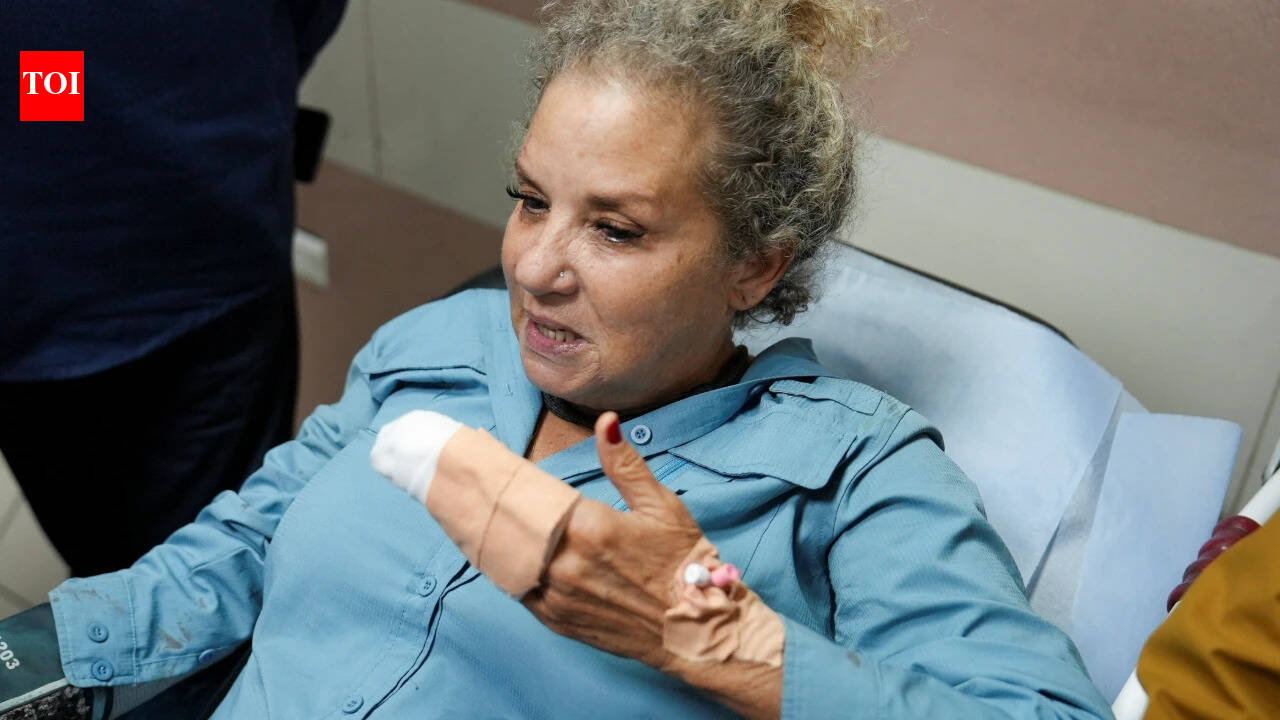
Former President Donald Trump has expressed concern following reports that US photojournalist Heidi Levine was attacked by Israeli settlers. The incident involved allegations of prolonged physical assault, drawing attention to the safety of media personnel in the West Bank.
Assault on Journalist Raises Press Freedom Concerns
The recent report involving American photojournalist Heidi Levine has ignited significant concern regarding the safety of international media personnel operating in the West Bank. According to reports, Levine was allegedly subjected to a sustained physical assault by Israeli settlers, an incident that included being kicked for approximately ten minutes. This event highlights the escalating volatility in the region and the precarious environment in which journalists must work to document unfolding geopolitical realities.
Trump’s Reaction and Political Implications
Former President Donald Trump has publicly stated he was "disturbed" by the images and details surrounding the attack on Levine. His reaction underscores the bipartisan sensitivity regarding the protection of American citizens abroad, particularly those serving in professional media capacities. By drawing attention to this specific case, the discourse surrounding the security of US nationals in conflict zones has been elevated, potentially pressuring diplomatic channels to ensure greater accountability for violence against non-combatants.
The Security Environment in the West Bank
The West Bank remains a flashpoint of friction, where the intersection of settler activity and local populations frequently leads to violent confrontations. For photojournalists like Heidi Levine, documenting these tensions is a fundamental aspect of global news coverage, yet it places them directly in the path of physical danger. The claim that the assault lasted for ten minutes suggests a level of impunity or lack of immediate intervention that is deeply concerning to international press freedom advocacy groups.
Broader Implications for International Media
This incident serves as a grim reminder of the risks associated with frontline reporting. When journalists are targeted, it not only impacts the individual’s physical and mental well-being but also threatens the transparency of the conflict. The ability of the public to witness events in the West Bank relies entirely on the presence of independent observers; thus, any act of violence against them can be viewed as an attempt to stifle the flow of critical information to the outside world.
Historical Context and Future Trends
Historically, the West Bank has seen cycles of violence where journalists have been caught in the crossfire or targeted for their work. The current trend suggests an intensification of these risks, as political tensions remain high and the presence of international media becomes increasingly scrutinized. Moving forward, the international community and media organizations will likely demand more robust protections and clearer accountability protocols to ensure that reporters can perform their duties without fear of targeted physical harm.
Conclusion
The attack on Heidi Levine is a significant development that brings the issue of journalist safety to the forefront of the Middle East discourse. As the situation continues to evolve, the focus will likely remain on whether diplomatic pressure can lead to meaningful security improvements for media personnel. Protecting the freedom of the press in volatile regions is essential for maintaining global awareness, and this incident highlights the urgent need for heightened security measures for those documenting the conflict.