Russia sanction waiver relief for India: What did Marco Rubio reveal about Trump’s tariff plan?
Source Entity
The Indian Express
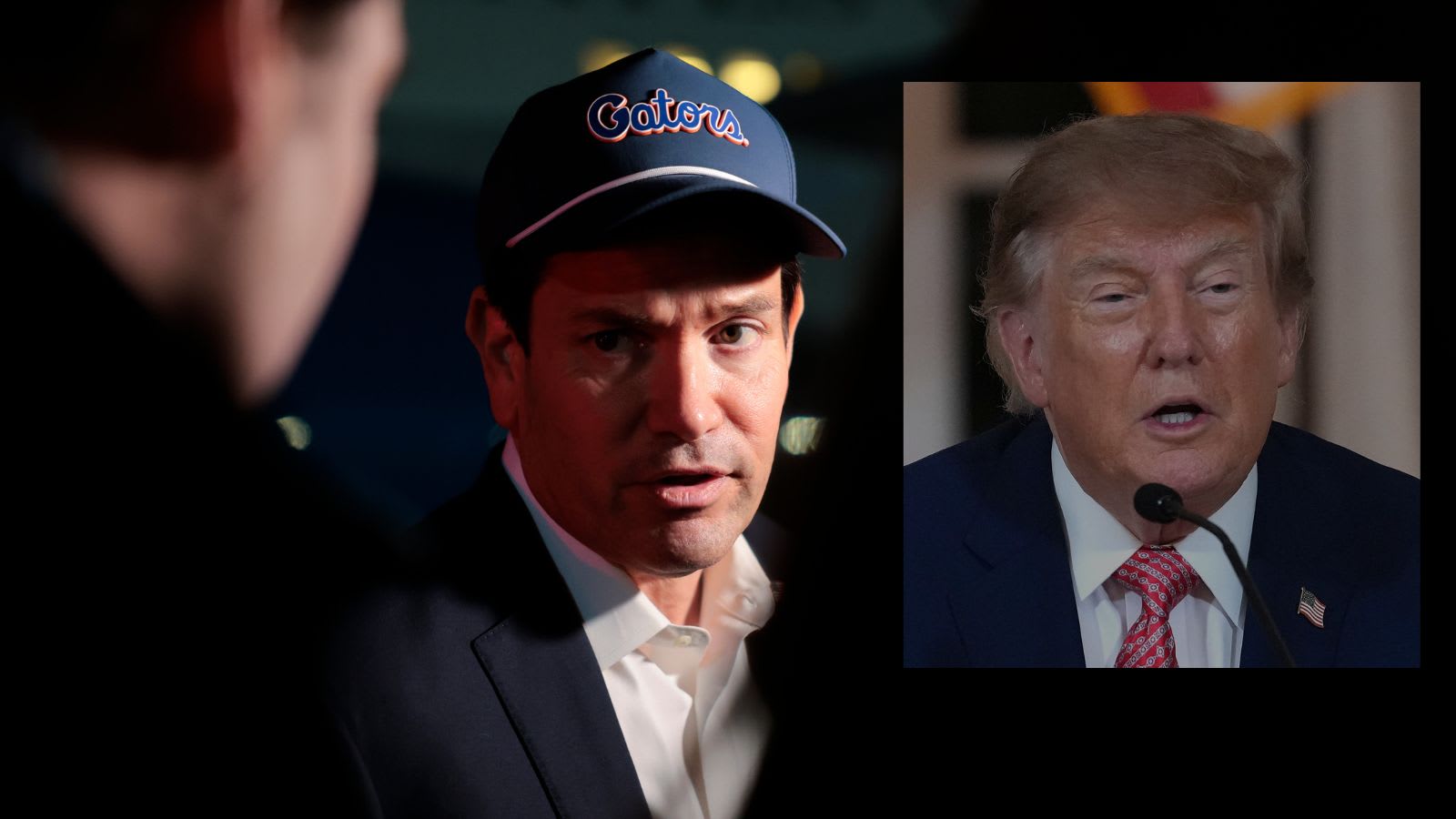
US President Donald Trump has initiated a 60-day review of potential sanctions and tariffs, providing critical relief to India regarding its Russian oil imports. This strategic pause acknowledges India's heavy reliance on Russian energy while the US assesses the broader global economic impact of its trade policies.
The Strategic Pivot: US-India Energy Relations
US President Donald Trump’s recent decision to pause the implementation of sanctions under the Graham Act represents a significant shift in American foreign policy toward New Delhi. By signing waivers that temporarily set aside tariff threats against countries purchasing Russian oil, the administration has signaled a more pragmatic approach to global energy security. This move is particularly vital for India, which relies on imports for over 88% of its crude oil needs, serving as the world's third-largest consumer.
The Economic Necessity of Russian Oil
India’s energy landscape is defined by its deep dependence on imported hydrocarbons. Recent data from Kpler highlights the scale of this reliance, showing that India imported 1.9 million barrels per day (bpd) of Russian crude in September alone, accounting for over 35% of its total imports. While volumes have fluctuated—reaching an all-time high of 2.8 million bpd in July—the underlying reality remains that Russia has become an indispensable supplier for India’s growing economy. Moving away from these energy sources would pose severe inflationary risks and supply chain disruptions for the Indian market.
The 60-Day Review Period
Secretary of State Marco Rubio’s recent comments clarify that the administration is entering a 60-day assessment phase to evaluate the domestic and global consequences of potential tariffs. This period of deliberation serves as a buffer, allowing the US to weigh the efficacy of using trade penalties as a geopolitical tool against the potential for economic backlash. Trump’s stated desire to understand the impacts of these policies suggests a shift from immediate, strong-arm tactics toward a more nuanced, evidence-based trade strategy.
Balancing Geopolitics and Trade
The tension between US-led sanctions and India’s energy procurement is a complex balancing act. While the US has previously targeted India for its purchases of Russian oil, the current administration seems to recognize that penalizing a key strategic partner is increasingly difficult to defend. The decision to prioritize this review process acknowledges that the global oil market is interconnected, and aggressive tariff actions against major consumers could have cascading effects on the US economy itself.
Historical Context and Future Implications
Historically, the US has utilized its leverage—such as threatening to curb diesel exports—to coerce G7 allies into managing global supply, notably seen when 100 million barrels of emergency petroleum were released. However, the current situation indicates that the US is now navigating the limits of that influence. As the administration prepares for its upcoming diplomatic engagements, including Secretary Rubio’s visit to India, the focus will likely remain on maintaining energy stability while navigating the constraints of existing sanction legislation.
Conclusion
The 60-day window created by the administration provides a critical reprieve, suggesting that the US is willing to prioritize long-term stability over immediate punitive measures. For India, this pause is essential to maintaining its energy security. Moving forward, the effectiveness of this policy will depend on whether the US can reconcile its sanction goals with the undeniable reality of global energy dependencies, ensuring that its trade policies do not inadvertently destabilize the very economies it seeks to influence.
Multiple Citing Sources