At OIC meeting, Araghchi puts Iran’s 7-day Hormuz plan on the table: will Trump bend the knee?
Source Entity
Latest News: Todays Latest News Headlines from India & World | Hindustan Times | Hindustan Times
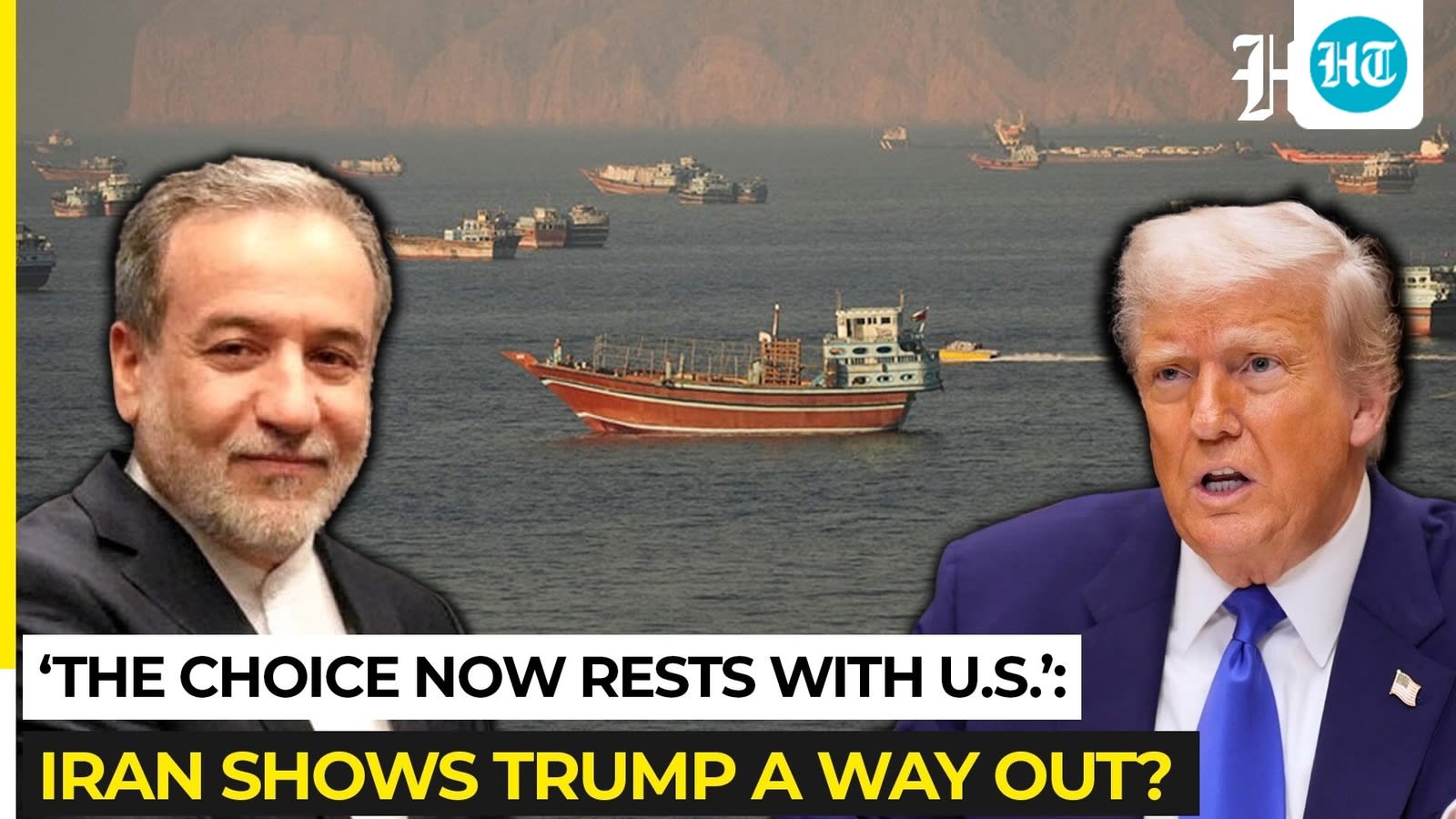
Iranian Foreign Minister Abbas Araghchi has reiterated a proposal to reopen the Strait of Hormuz within seven days if the U.S. meets specific conditions. These demands include lifting oil export sanctions, ending port blockades, and ceasing regional hostilities.
The Strait of Hormuz Standoff: Iran’s Seven-Day Ultimatum
Recent statements from Iranian Foreign Minister Abbas Araghchi at the Organisation of Islamic Cooperation (OIC) meeting in Baghdad have brought the geopolitical volatility surrounding the Strait of Hormuz back to the forefront of international discourse. By formally presenting a seven-day proposal to the United States via Qatari intermediaries, Tehran is signaling a desire to shift the current deadlock into a structured negotiation. Araghchi’s public declaration that "the choice now rests with the United States" serves as both a diplomatic overture and a strategic challenge to Washington’s regional policy.
Core Demands and Diplomatic Channels
The proposal, which has been communicated through Qatar, outlines a clear set of prerequisites for the restoration of normal shipping lanes. Iran’s conditions are comprehensive: the immediate lifting of the blockade on its ports, the removal of U.S. sanctions on its oil exports, and a cessation of hostilities across all regional fronts. By anchoring these demands to the reopening of one of the world’s most critical maritime chokepoints, Iran is attempting to leverage the economic necessity of global energy transit to force a recalibration of U.S. foreign policy.
The Strategic Gamble of Maritime Control
The Strait of Hormuz is a vital artery for global energy markets, and any disruption to its flow has immediate, cascading effects on oil prices and global supply chains. By proposing a six-to-seven-day timeline for normalization, Iran is creating a high-pressure environment for the U.S. administration. Araghchi’s rhetoric, which includes skepticism regarding U.S. "honesty," underscores the deep-seated mistrust that has defined bilateral relations, suggesting that Tehran is prepared to maintain its current posture unless substantial concessions are made.
Regional Implications and OIC Involvement
The choice of the OIC meeting in Baghdad as the venue for this announcement is significant. By addressing his peers in the Islamic world, Araghchi is framing the issue not just as a bilateral dispute between Tehran and Washington, but as a collective concern for regional security. This diplomatic maneuver aims to solidify regional support and put additional pressure on the U.S. to consider the proposal rather than relying on military deterrence or ongoing "threats and military pressure," which Araghchi explicitly dismissed as ineffective.
Assessing the Path Forward
As the U.S. evaluates the comments shared by Iran, the situation remains fluid. The discrepancy between the "seven-day" and "six-day" timelines mentioned in various reports highlights the urgency and potential volatility of the negotiations. The core question remains whether Washington is willing to trade the lifting of sanctions and port blockades for the immediate de-escalation of maritime tensions. As it stands, the proposal represents a critical test of diplomatic will, with the potential to either significantly alter the regional security architecture or lead to a further entrenchment of existing conflicts.
Verification Required?