US bars Cloudera from green card sponsorship for two years after $2 million settlement
Source Entity
Latest News: Todays Latest News Headlines from India & World | Hindustan Times | Hindustan Times
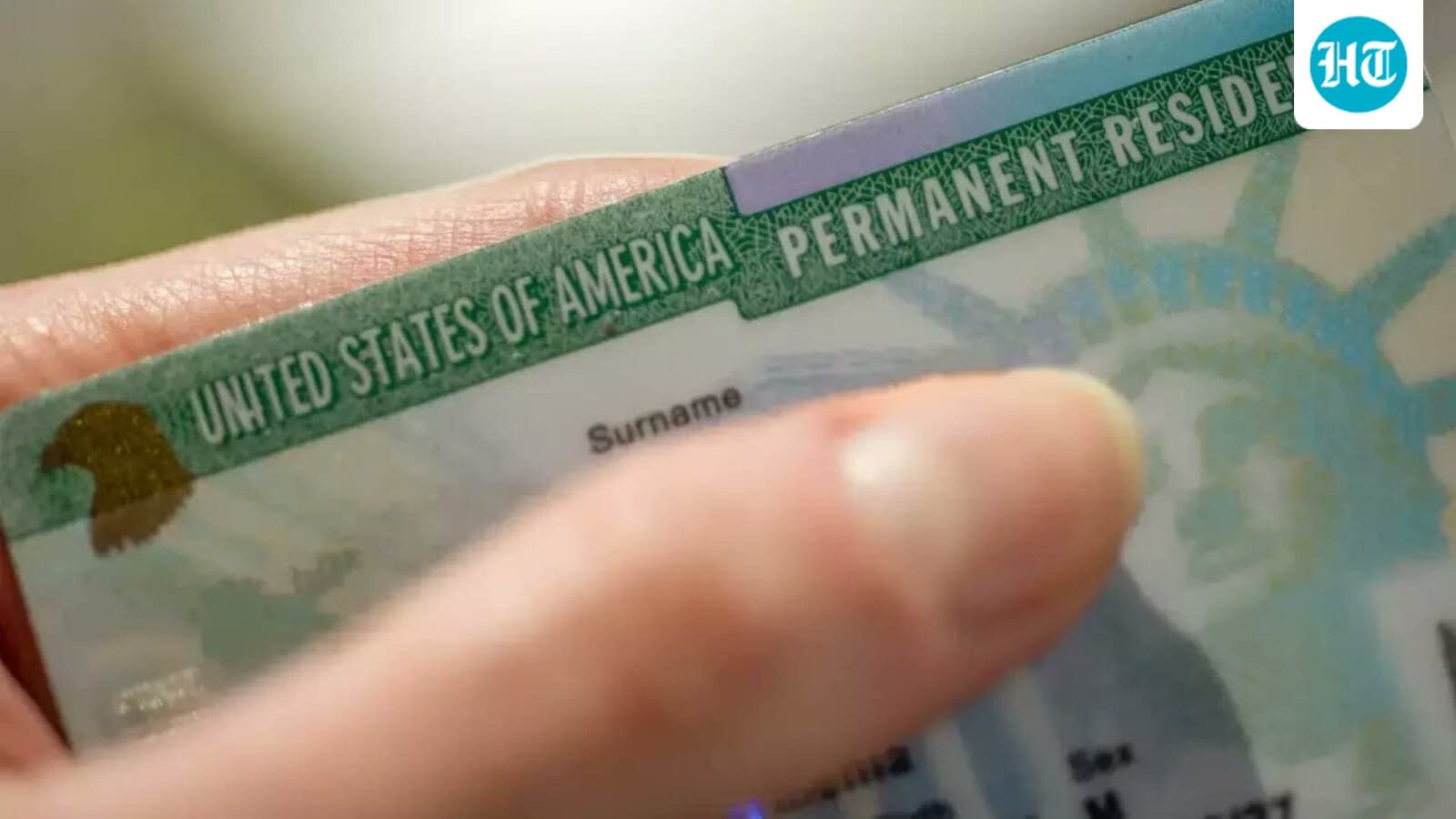
Cloudera has agreed to a $2 million settlement with the U.S. government following allegations of discriminating against American workers in green card recruitment. The company is now barred from the labor certification program for two years and must pay $1.4 million in back pay to affected individuals.
Overview of the Cloudera Settlement
The U.S. Department of Justice and the Department of Labor have reached a significant $2 million settlement with Santa Clara-based data management firm Cloudera. This action follows formal allegations that the company engaged in discriminatory hiring practices, specifically by favoring foreign visa holders over qualified American workers during the recruitment process for employment-based green cards. This settlement highlights the federal government's ongoing commitment to enforcing labor laws that protect domestic workers from being sidelined during the permanent residency sponsorship process.
Financial and Administrative Penalties
The financial implications of this settlement are twofold. Cloudera is required to establish a $1.4 million fund specifically designated to compensate eligible U.S. workers through back pay, directly addressing the economic harm caused by the alleged exclusionary practices. Additionally, the company must pay $600,000 in civil penalties to the federal government. Beyond the financial impact, the most severe operational restriction is a two-year ban from participating in the labor certification program, effectively halting the company's ability to sponsor green cards for foreign employees during this period.
Enhanced Compliance and Monitoring
Beyond the immediate penalties, the settlement imposes strict regulatory oversight on Cloudera. The company is now subject to enhanced monitoring, which includes the implementation of revised compliance procedures and mandatory reporting requirements. These measures are designed to ensure that future recruitment efforts are transparent and that U.S. workers are given a fair and equal opportunity to apply for positions that the company seeks to fill through the permanent labor certification process.
Broader Regulatory Context
This enforcement action reflects a broader trend of increased federal scrutiny regarding the recruitment practices of technology firms. The regulatory environment has become increasingly focused on ensuring that the H-1B and green card sponsorship pathways are not used to bypass the domestic labor market. By holding companies accountable for discriminatory hiring, the Department of Justice aims to maintain the integrity of the U.S. immigration system while ensuring that domestic workers are not disadvantaged by corporate preference for foreign talent.
Future Implications for Tech Hiring
The two-year ban on labor certification serves as a cautionary tale for the technology sector, which often relies on international recruitment pipelines. Companies operating in the U.S. must now navigate a heightened compliance landscape where recruitment processes are under intense federal review. This shift suggests that businesses will need to invest more heavily in robust, transparent hiring practices to avoid the severe operational disruptions and reputational damage associated with federal discrimination charges.
Conclusion
In summary, the settlement with Cloudera underscores the critical intersection of immigration policy and labor protection. By forcing the company to pay back wages and accept a temporary suspension from certification programs, the government has sent a clear signal regarding the enforcement of fair recruitment standards. As the tech industry continues to evolve, maintaining compliance with these labor statutes will remain a vital component of sustainable corporate operations.
Verification Required?