Adil Jal Darukhanawala’s Kinetic’s Electric Energy decodes five decades of Indian automotive innovation
Source Entity
Anil Sasi
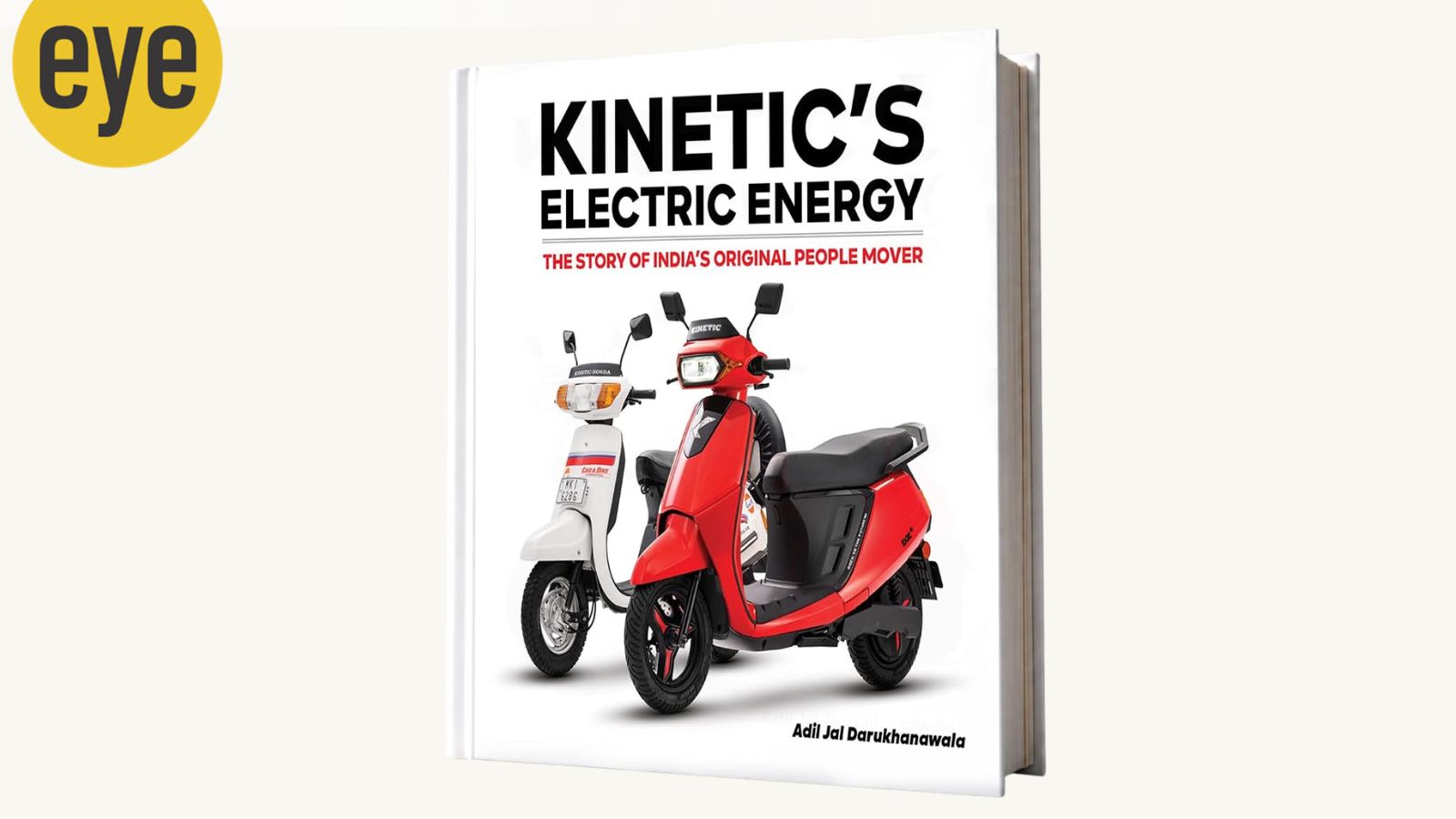
Adil Jal Darukhanawala's 'Kinetic’s Electric Energy' chronicles the history of the iconic Kinetic Luna. The book highlights the moped's role in Indian mobility and its unique origins involving Tata Motors.
The Legacy of the Kinetic Luna
Adil Jal Darukhanawala’s book, Kinetic’s Electric Energy, serves as a comprehensive chronicle of five decades of Indian automotive evolution, anchored by the story of the iconic Kinetic Luna. During the 1970s and 1980s, the Luna emerged as the definitive symbol of affordable mobility for the Indian masses, effectively bridging the gap between non-motorized transport and more expensive motorcycle ownership.
Engineering for the Masses
The development of the Luna was defined by a rigid set of design parameters aimed at extreme efficiency and accessibility. The project mandated a vehicle weight of under 50 kg and a requirement for it to be completely indigenous. While the engineers faced challenges in maintaining the initial target price of Rs 1,600, the final product launched in 1972 at just under Rs 2,000, which remained a remarkable feat of cost-effective manufacturing for the era.
Roots in Global Engineering
At its core, the Kinetic Luna was a reverse-engineered interpretation of the Italian Piaggio Ciao. This decision reflected the broader trend of the mid-20th-century Indian automotive industry, which often looked toward established European designs to build reliable, functional vehicles tailored to the rugged and often unpredictable conditions of Indian roads. The monocoque beam-frame design provided the necessary structural integrity while keeping the overall mass minimal.
The Tata Connection
One of the most fascinating revelations in the book is the symbiotic relationship between emerging automotive players at the time. The initial tooling and dies for the Luna were sourced from TELCO, now known as Tata Motors. In a move that highlights the collaborative spirit of the early Indian industrial landscape, Tata provided these essential assets at cost, charging only for the raw materials rather than the labor or intellectual property associated with the equipment.
Historical Significance and Future Outlook
By documenting these formative years, Darukhanawala provides a blueprint for how indigenous manufacturing can scale to meet the needs of a massive population. The transition from the original pedal-assisted moped to the modern iterations explored in the book underscores how the Kinetic brand has navigated the shift toward electrification. The Luna remains a case study in how simple, robust design can define a nation’s transportation habits for generations, setting the stage for current innovations in the electric vehicle space.