Efficiency is the primary currency of global trade, yet this efficiency is constantly degraded by what can only be described as biological friction. Whether it is a parasitic fly disrupting an entire export market or extreme thermal stress halting industrial productivity, the result is a consistent, multi-billion dollar hemorrhage. We often treat these as isolated incidents of bad luck or weather, but a strategic analysis reveals a systemic pattern of biological and environmental fouling. When the interface between natural agents and human economic systems fails, the cost is not merely an inconvenience; it is a direct hit to the balance sheet of nations.
The Parasitic Tax on Livestock Trade
Consider the current devastation facing Mexican ranchers due to the re-emergence of the screwworm. This biological agent has not only plagued the herds but has triggered a geopolitical trade freeze that costs the industry $2.8 billion. The United States shut its border to cattle from Mexico in 2024, creating a vacuum in the most critical export market for the region. This is a classic example of biological fouling where a single pest transforms a high-value asset into a liability overnight. The resulting economic shock is a combination of rising veterinary costs and the sudden evaporation of market access.

The asymmetry of the impact is staggering. While Mexico has recorded over 20,000 screwworm cases in cattle, the United States has seen only about 20 confirmed cases in a herd of 86 million. Despite this disparity, the economic penalty is borne almost entirely by the Mexican side, where cattle prices have been slashed by up to 20%. Why does the global trade system respond with such blunt force to biological threats? The answer lies in the lack of calibrated risk management, where the only available tool is a total ban, effectively fouling the entire supply chain to protect a small percentage of the herd.
"Mexican ranchers are squeezed by the double shock of surging costs and a ban on cattle sales to their top export market."— Industry Report on Screwworm Impact
This biological interference does not stop at the border. The persistence of the screwworm creates a cycle of dependency on expensive veterinary care and treatments that further erode the profit margins of ranchers. It is a form of economic erosion where the cost of maintenance begins to outweigh the value of the product. When a biological agent can trigger a $2.8 billion loss, it ceases to be a veterinary issue and becomes a macro-economic vulnerability.
But biological fouling is not limited to parasites; it extends to the very environment in which human labor operates.
Thermal Degradation of Human Productivity
In the United Kingdom, the economy is discovering that heat is a biological disruptor of labor. Research from the think tank Verdant indicates that 30 degrees Celsius is the crunch point, after which productivity losses accelerate sharply. During the heatwave of June 2026, the direct impact on UK productivity alone cost at least £2.4 billion in lost output. This is a form of biological fouling where the human body's inability to maintain optimal performance in extreme heat becomes a drag on the national GDP.
The projections for the near future are even more alarming. Verdant expects that by the end of 2030, output losses from heatwaves will reach at least £25 billion if no action is taken. This is not merely a result of people working slower; it is a systemic failure to adapt the working environment to biological limits. The cost is compounded when extreme heat periods are extended, turning a temporary dip in productivity into a permanent economic scar.
| Interference Agent | Economic Impact | Primary Region | Metric of Loss |
|---|---|---|---|
| Screwworm Fly | $2.8 Billion | Mexico | Rancher Revenue |
| Extreme Heat | £2.4 Billion | United Kingdom | June 2026 Productivity |
| Extreme Heat | £25 Billion | United Kingdom | Projected 2030 Output |
| Cattle Trade Ban | 20% Price Drop | Mexico | Export Value |
Why does the UK remain vulnerable while other nations have already adapted? Spain and Belgium have already implemented national maximum working temperatures, recognizing that biological limits are non-negotiable. The refusal to adopt similar protections in the UK represents a failure of strategic foresight. By ignoring the biological crunch point, the economy is essentially paying a multi-billion pound tax on its own stubbornness.
This thermal drag on the economy mirrors the biological drag seen in livestock trade. In both cases, a failure to manage the biological interface leads to massive financial losses. The question is no longer if these events will happen, but how much of the GDP we are willing to sacrifice to biological and environmental friction.
Beyond labor and livestock, the fouling of our core infrastructure requires constant, expensive remediation to prevent total collapse.
Infrastructure Fouling and the Cost of Remediation
Environmental fouling often manifests as chemical or biological contamination of critical resources. In Virginia, the Hampton Roads Sanitation District is fighting this battle at the Nansemond Treatment Plant. The deployment of De Nora's SORB FX ion exchange system is a necessary response to PFAS contamination, ensuring that municipal wastewater is treated to drinking standards before recharging aquifers. The cost of such advanced water reuse programs is high, but the cost of allowing the water supply to be fouled by forever chemicals is an existential threat to regional water resilience.
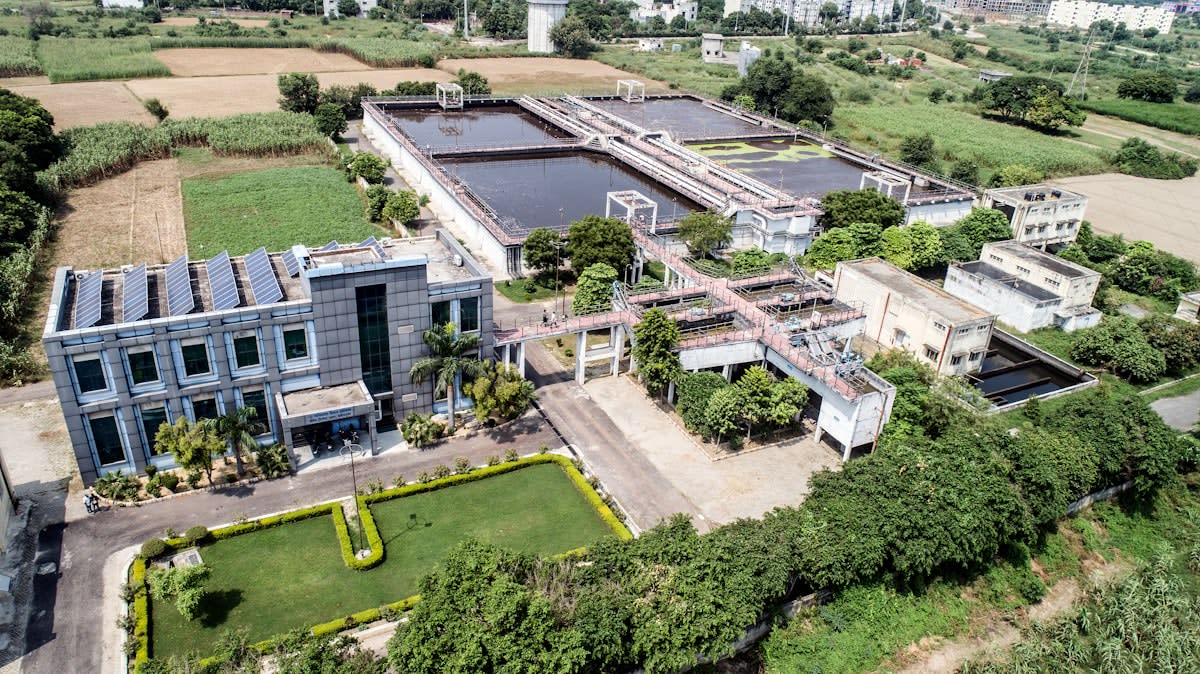
Similarly, the urban environment in Dearborn, Michigan, is struggling with the fouling of its stormwater infrastructure. FEMA recently awarded the city $8.1 million to reduce neighborhood flooding and improve stormwater capacity. This funding targets a specific area between Chase Road and Greenfield Avenue that has become vulnerable to repetitive flooding. When stormwater systems are fouled by debris or overwhelmed by rain events, the result is basement backups and property damage that drain municipal budgets.
The Macro View
The combined costs of biological pests, thermal productivity loss, and infrastructure remediation suggest that we are operating an economic model that ignores the biological realities of the planet.
These disparate examples—screwworms in Mexico, heat in London, PFAS in Virginia, and floods in Michigan—are all symptoms of the same problem. We have built a global economy on the assumption of a static, compliant environment. When the environment pushes back, whether through a parasite or a heatwave, the economic friction is immense. The billions lost every year are not accidents; they are the cost of failing to integrate biological and environmental resilience into the core of our strategic planning.
Can we afford to continue this pattern of reactive spending? The $8.1 million in Dearborn or the £2.4 billion in the UK are merely the tip of the iceberg. As biological agents migrate and temperatures climb, the friction will only increase. The only way to reduce these costs is to stop treating biological interference as an anomaly and start treating it as a primary economic variable.