How Has Roman Concrete Lasted for Millennia? 1,900-Year-Old Latrine Offers Clues
Source Entity
Hacker News
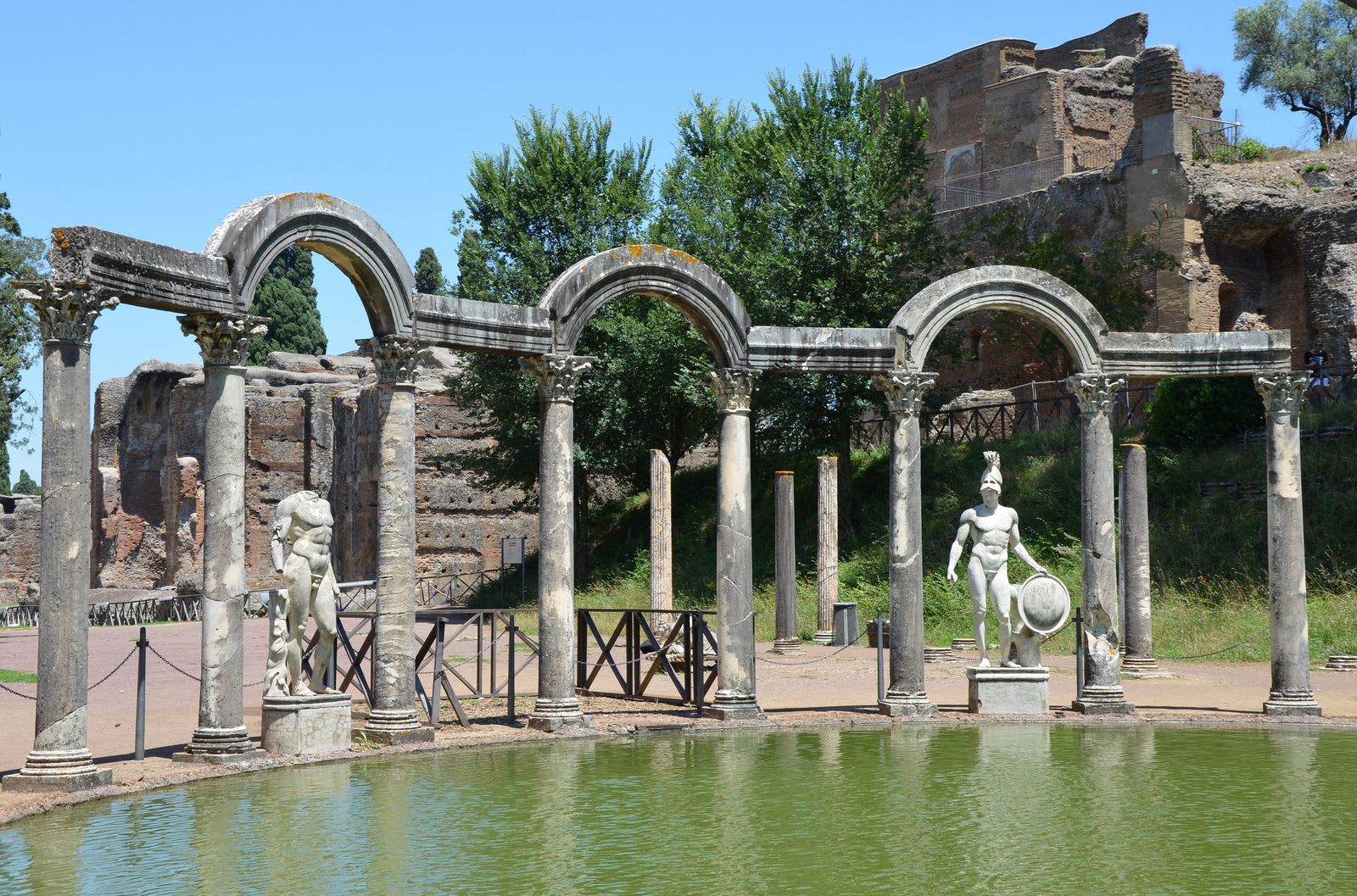
Researchers studying a 1,900-year-old Roman latrine have discovered that a chemical process called carbonation helps seal cracks in ancient concrete. These findings, published in Science Advances, may help develop more sustainable and resilient modern building materials.
Unlocking the Secrets of Ancient Resilience
The enduring legacy of the Roman Empire is not only found in its laws or art but in its physical infrastructure. From sprawling roads to massive aqueducts, Roman concrete has defied the elements for nearly two millennia, whereas modern concrete typically begins to crumble within roughly 100 years. A recent study published in the journal Science Advances on July 8 has brought scientists closer to understanding this disparity, utilizing a 1,900-year-old latrine as a key piece of evidence to uncover the material's impressive durability.
The Role of Carbonation in Structural Longevity
At the heart of this durability is a chemical process known as carbonation. According to the research, carbonation plays a critical role in sealing cracks that naturally form in concrete over time. In modern construction, cracks often act as gateways for water and corrosive agents to penetrate and weaken the internal structure, leading to rapid degradation. However, the Roman material's ability to undergo carbonation allows it to effectively "heal" itself, creating a resilient seal that prevents further decay and ensures that structures remain standing for thousands of years.
The Significance of Unaltered Samples
The use of a 1,900-year-old latrine is particularly significant because it provides an unprecedented opportunity to study Roman concrete in its original state. Many ancient ruins have been touched, repaired, or modified by modern restoration efforts, which can contaminate chemical data and obscure the original composition of the material. By analyzing a structure that has remained unaltered by modern hands, Professor Monteiro and his colleagues can isolate the specific chemical interactions that occurred in antiquity, providing a clean baseline for their scientific analysis.
Environmental Implications for Modern Engineering
Beyond historical curiosity, this research has profound implications for the global construction industry and environmental sustainability. Modern concrete production is one of the largest contributors to global greenhouse gas emissions. Professor Monteiro and his team hope that by unlocking these "Roman secrets" for enhancing durability, they can help experts build modern concrete with a significantly lower environmental impact. If modern infrastructure can be engineered to last for centuries rather than decades, the need for frequent demolition and reconstruction would decrease, drastically reducing the carbon footprint of urban development.
Bridging Ancient Ingenuity and Future Infrastructure
The stark contrast between the lifespan of Roman roads and the relatively short life of contemporary bridges highlights a critical gap in current material science. The goal of this research is to integrate ancient resilience into modern engineering standards to achieve "sustainable modern infrastructure development." By understanding the synergy between the original Roman materials and the carbonation process, researchers aim to create a new generation of resilient concrete capable of withstanding the test of time and extreme environmental stress.
Summary of Findings
In conclusion, the findings published in Science Advances represent a vital bridge between ancient ingenuity and future sustainability. By studying the humble remains of a Roman latrine, scientists are paving the way for a revolution in building materials. The transition toward infrastructure that is both durable and eco-friendly is no longer a theoretical goal but a tangible possibility, ensuring that the cities of tomorrow possess the same enduring strength as the monuments of the past.