1.3 km below Atlantic, scientists find water that may fuel sunless life
Source Entity
TOI SCIENCE DESK
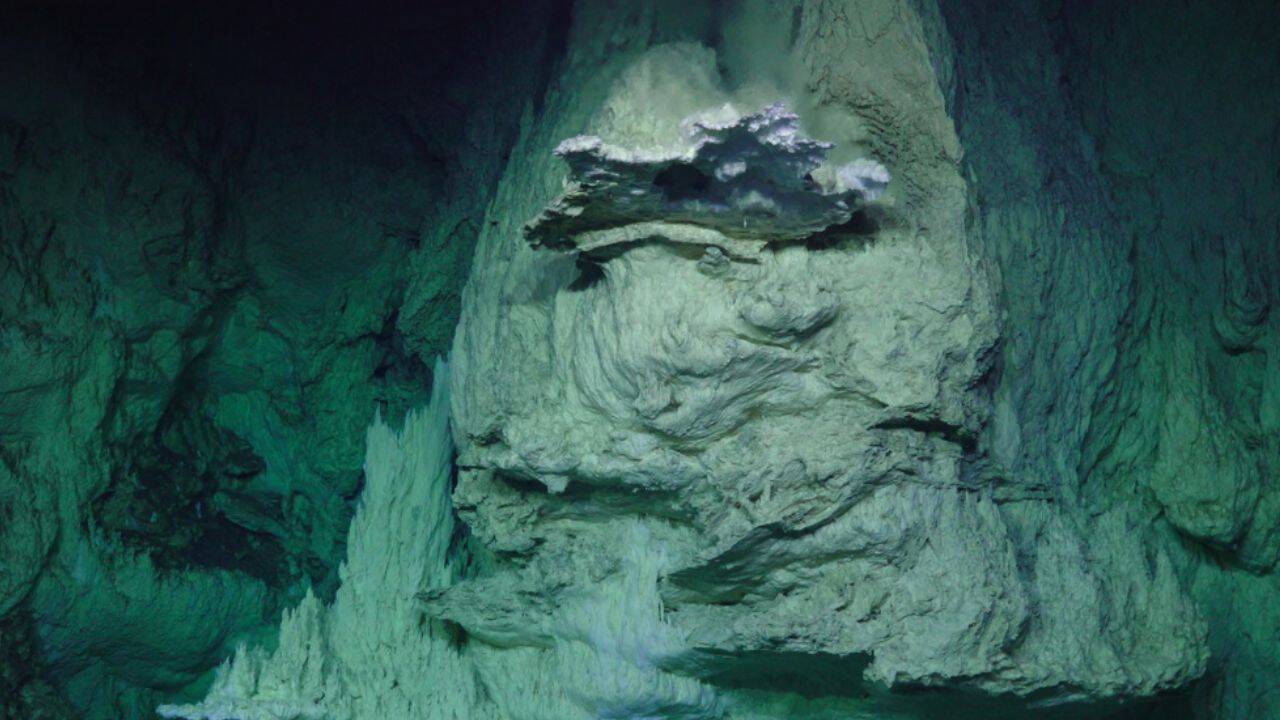
Scientists have discovered superheated, hydrogen-rich water 1.3 km beneath the Atlantic Ocean floor, mirroring the chemistry of the Lost City vent fluids and offering critical insights into how life can thrive in total darkness.
Uncovering the Hidden Plumbing of the Atlantic: A New Frontier for Sunless Life
In a groundbreaking discovery that challenges our understanding of the boundaries of life, scientists have identified a reservoir of superheated water located 1.3 kilometers beneath the Atlantic Ocean floor. This discovery is not merely a geological curiosity; the water's chemical composition closely mirrors the fluids found at the 'Lost City' hydrothermal vents, a famous site known for its towering carbonate chimneys and unique alkaline chemistry. By finding these fluids deep within the crust, researchers have uncovered evidence of a massive, hidden system of hydrogen-rich water that could serve as a biological engine for organisms living entirely independent of solar energy.
The Chemistry of Chemosynthesis and Serpentinization
To understand the significance of this find, one must look at the process of serpentinization. This occurs when seawater reacts with magnesium- and iron-rich rocks (peridotites) in the Earth's mantle, producing heat and releasing molecular hydrogen. The discovery of superheated, hydrogen-rich water 1.3 km deep suggests that this chemical reaction is occurring on a much larger scale than previously mapped. In the absence of sunlight, hydrogen serves as a primary energy source for chemosynthetic microorganisms. These microbes oxidize hydrogen to produce energy, forming the base of a food web that exists in complete darkness, proving that the Earth's internal heat and chemistry can sustain complex biological ecosystems.
Expanding the 'Lost City' Paradigm
The fact that the chemical makeup of this deep-crust water matches the Lost City vent fluids is a critical piece of the puzzle. For years, the Lost City has been viewed as a surface expression of deep-seated geological processes. This new discovery confirms that the vents are merely the 'exhaust pipes' of a much larger, subterranean plumbing system. This suggests that the habitable zone for microbial life extends far deeper into the oceanic crust than previously hypothesized, potentially creating a vast, interconnected biosphere beneath the seafloor that mirrors the conditions of the early Earth.
Implications for Astrobiology and Extraterrestrial Life
Beyond our own planet, this discovery has profound implications for the search for extraterrestrial life. Many moons in our solar system, such as Jupiter's Europa and Saturn's Enceladus, are believed to possess subsurface liquid oceans in contact with rocky cores. If superheated, hydrogen-rich water can fuel life 1.3 km beneath the Atlantic floor without any input from the sun, it provides a highly plausible model for how life could exist in the dark oceans of these icy moons. The Atlantic discovery serves as a terrestrial analog, strengthening the hypothesis that hydrothermal activity is a universal catalyst for the emergence of life.
Future Research: Mapping Energy Transport
Moving forward, the scientific community will focus on clarifying the interactions between these underground fluids and the surrounding rock. A primary goal will be to understand the mechanisms of energy transport—how heat and chemicals move from the deep crust up to the vents. By modeling these fluid dynamics, researchers can better estimate the total biomass of the deep biosphere and determine how these systems regulate the global carbon and nitrogen cycles. Further drilling and sensing technology will be required to map the extent of these reservoirs and identify if similar systems exist in other oceans.
Conclusion
The discovery of superheated water deep beneath the Atlantic Ocean floor marks a pivotal moment in marine science and astrobiology. By bridging the gap between deep-crust geochemistry and the biological viability of sunless environments, scientists have expanded the definition of a 'habitable zone.' This find not only sheds light on the mysterious origins of life on Earth but also provides a roadmap for exploring the hidden depths of other worlds, suggesting that where there is water, heat, and chemistry, life may find a way to persist.