Horses watched silent wolf videos, their hearts raced without visible fear
Source Entity
TOI WORLD DESK
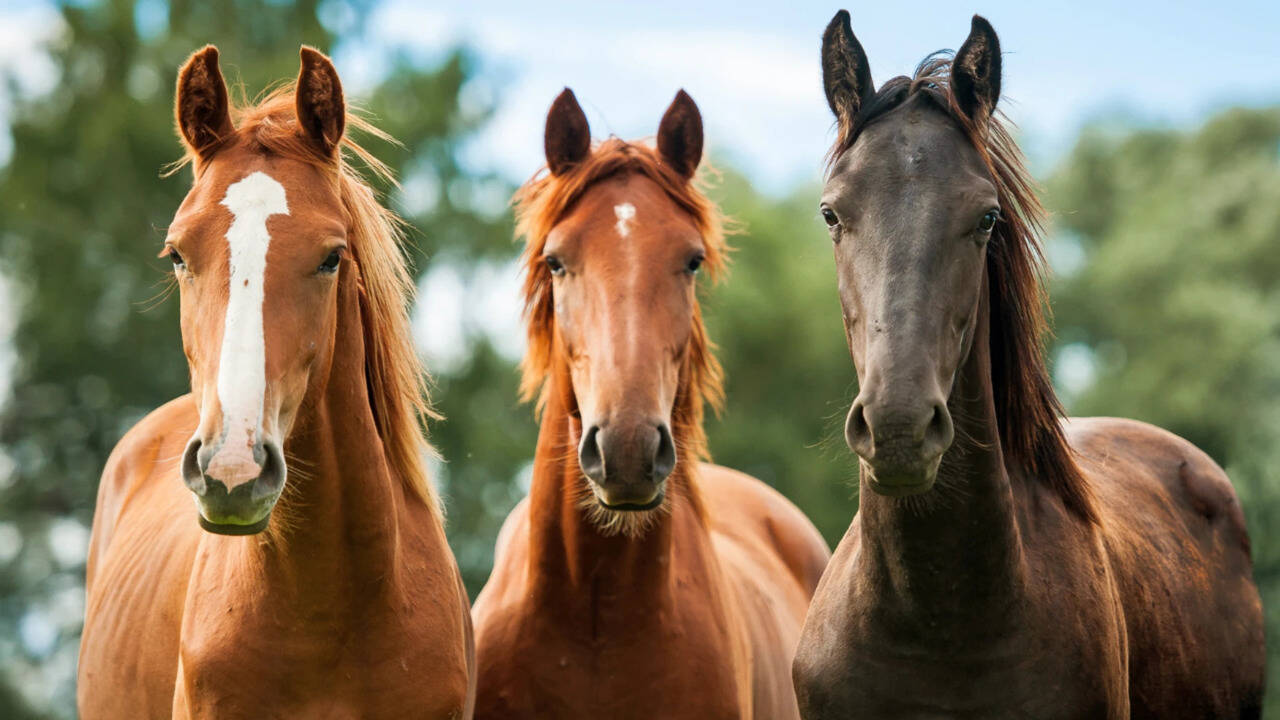
A study on equine behavior reveals that horses experience significant internal stress, evidenced by increased heart rates, when watching videos of wolves, despite displaying no outward signs of fear. This physiological response is particularly strong in males and dominant herd members, suggesting a complex psychological disconnect in prey animals.
The Hidden Anxiety of Equines: Analyzing the Physiological Response to Predators
Recent behavioral research has uncovered a fascinating paradox in how horses perceive threats. While horses are traditionally categorized as 'flight' animals—characterized by immediate, visible panic when faced with danger—a new study involving silent videos of wolves suggests a more complex emotional architecture. The findings indicate that horses can experience acute physiological stress, specifically a racing heart rate, while maintaining a composed outward demeanor. This disconnect between internal biological signals and external behavior challenges the long-held assumption that prey animal fear is always an all-or-nothing, visible reaction.
The Paradox of Internal Stress vs. External Calm
At the core of this study is the observation that horses viewing predators on a screen do not necessarily 'spook' or flee, yet their cardiovascular systems react as if they are in immediate danger. This suggests that the equine brain is capable of processing a threat and triggering a sympathetic nervous system response—the 'fight or flight' mechanism—without immediately translating that response into physical action. This nuance indicates a level of cognitive processing where the animal may be evaluating the threat level of a two-dimensional image, resulting in a state of high alertness or 'silent stress' rather than full-blown panic.
The Role of Gender and Social Hierarchy
One of the most compelling aspects of the research is the variation in response based on the horse's profile. The study noted that male horses and those occupying dominant positions within their herd exhibited significantly stronger heart rate spikes. From an evolutionary perspective, this can be analyzed as a manifestation of protective instincts. Dominant individuals often bear the responsibility of sentinel behavior, monitoring the environment for threats to protect the group. Consequently, their physiological sensitivity to predator cues is likely heightened, as their survival and social status depend on the early detection of danger, even when that danger is not perceived as an immediate physical threat.
Implications for Equine Welfare and Management
These findings have profound implications for the way humans manage and care for horses. For decades, animal welfare assessments have relied heavily on observable behaviors—such as pacing, ear pinning, or bolting—to determine stress levels. However, if a horse can be internally stressed while appearing calm, many animals in stables, training centers, or competition environments may be suffering from chronic stress that goes undetected by their handlers. This research necessitates a shift toward incorporating physiological monitoring, such as heart rate variability, to truly understand the emotional state of the animal.
Critical Safety Considerations for Riders
Beyond welfare, this psychological disconnect presents a significant safety concern for riders and trainers. A horse that appears calm but is physiologically 'primed' for flight is a volatile asset. In this state of hidden stress, a minor, unrelated stimulus (such as a sudden noise or a flapping piece of plastic) could act as a catalyst, triggering an explosive reaction because the horse's heart rate and adrenaline levels were already elevated. Understanding that a 'quiet' horse may actually be in a state of high internal tension allows riders to be more vigilant and implement calming protocols before a situation escalates.
Conclusion: Redefining Prey Psychology
In summary, the study of horses reacting to silent wolf videos provides a critical window into the sophisticated nature of equine psychology. By demonstrating that internal stress can exist independently of visible fear, the research dismantles the simplistic view of prey animals as purely reactive. As we move forward, integrating this knowledge into veterinary science and equestrian training will be essential for improving the bond between humans and horses, ensuring that 'calm' is not merely a mask for hidden distress, but a genuine state of well-being.