Guam kingfisher vanished in 1980s, now 4 chicks are helping its comeback
Source Entity
TOI SCIENCE DESK
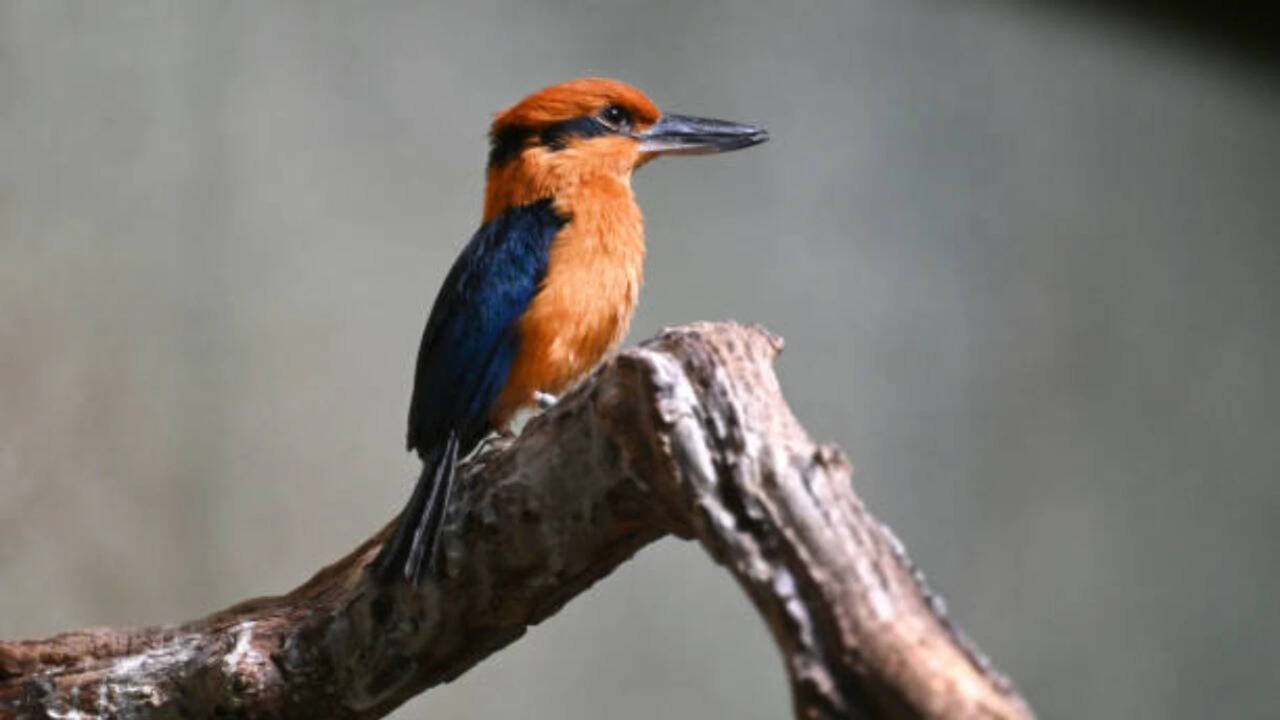
The Guam Kingfisher, known locally as the 'sihek' and extinct in the wild since the 1980s due to invasive brown tree snakes, has seen a glimmer of hope with the birth of four new chicks in a conservation program housing the remaining 140 birds.
The Fight for the Sihek: A Beacon of Hope for Guam's Biodiversity
The disappearance of the Guam Kingfisher, known locally as the sihek, represents one of the most poignant examples of ecological collapse caused by invasive species. Since the 1980s, the sihek has been declared extinct in the wild, leaving a void in the island's natural heritage. However, the recent birth of four chicks within a controlled conservation environment marks a critical milestone in the species' struggle for survival. This event is not merely a biological success but a symbolic victory for conservationists working to reverse decades of environmental degradation on the island of Guam.
The Devastation of the Brown Tree Snake
The primary catalyst for the sihek's wild extinction was the introduction of the invasive brown tree snake. This predator, which arrived on the island accidentally via military cargo following World War II, found a paradise devoid of natural enemies. The snakes decimated the local bird populations, including the Guam Kingfisher, which had evolved without the necessary defense mechanisms to survive such an aggressive predator. The rapid decline of the sihek serves as a stark warning about the fragility of island ecosystems, where the introduction of a single non-native species can trigger a catastrophic chain reaction across multiple trophic levels.
Ecological Domino Effects and Forest Decline
The loss of the Guam Kingfisher did not occur in a vacuum; it triggered a severe ecological imbalance. As specialized insectivores, these birds played a vital role in controlling the populations of various invertebrates. In their absence, Guam has experienced a surge in spider populations, which have flourished without their natural avian predators. More alarmingly, the context reveals that this has led to "thinner forests." This suggests a complex ecological cascade where the loss of birds may have affected seed dispersal or increased the prevalence of pests that damage the canopy, demonstrating that the extinction of a single species can compromise the structural integrity of an entire forest system.
The Critical Role of Captive Breeding
Currently, the survival of the species rests entirely on a precarious captive breeding program. With only 140 birds remaining in conservation centers, the genetic pool is dangerously narrow. The birth of four new chicks is an essential development, as every new individual increases the genetic diversity and overall population stability of the species. These breeding efforts are meticulously managed to avoid inbreeding and to ensure that the birds maintain the behavioral traits necessary for eventual survival in a natural habitat, though the transition from a cage to the wild remains a formidable challenge.
The Road to Reintroduction and Future Outlook
The ultimate goal for conservationists is the reintroduction of the sihek to the wild, but this cannot happen until the threat of the brown tree snake is mitigated. Reintroducing birds into an environment where the predator still thrives would be futile. Therefore, the success of the Guam Kingfisher's comeback is inextricably linked to broader island-wide efforts to control and eradicate invasive snakes. If these two efforts—captive breeding and predator control—can be synchronized, the sihek could once again fulfill its role as a keystone species, restoring balance to the forests and reducing the overpopulation of insects and spiders.
Conclusion
The journey of the Guam Kingfisher from the brink of total extinction to the birth of new chicks is a testament to the persistence of scientific conservation. While the path to full reintroduction is fraught with difficulty, the current progress provides a blueprint for saving other endangered island species. The recovery of the sihek is not just about saving one bird; it is about repairing a broken ecosystem and restoring the biological legacy of Guam for future generations.