1,300 Beautiful Wildlife Illustrations from the 19th Century Now Restored
Source Entity
Hacker News
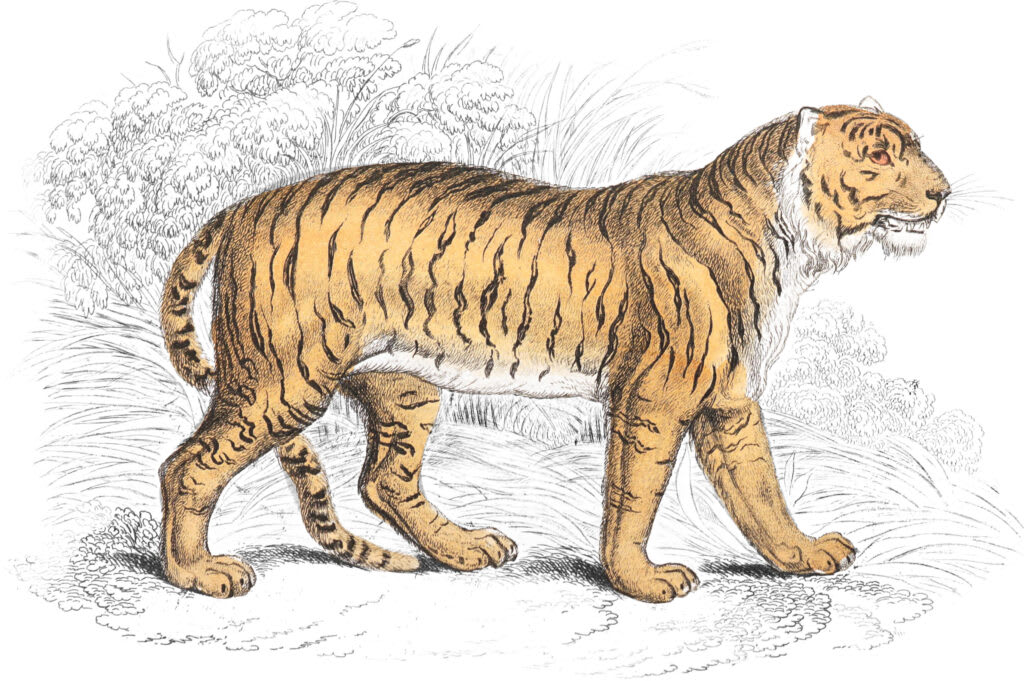
A vast collection of 1,300 wildlife illustrations from the 19th century has been meticulously restored, preserving critical natural history data and artistic heritage through modern conservation techniques.
Preserving the Natural World: The Restoration of 1,300 19th-Century Illustrations
The announcement of the restoration of 1,300 wildlife illustrations from the 19th century marks a significant milestone in the intersection of art, history, and biology. These works, which served as the primary record of biodiversity before the advent of high-fidelity photography, represent a bridge between the exploratory zeal of the Victorian era and modern conservation science. By restoring these images, archivists and scientists are not merely preserving art, but are recovering a visual database of the Earth's fauna as it existed over a century ago.
The Golden Age of Naturalism
To understand the importance of these 1,300 illustrations, one must look back at the 19th century—the 'Golden Age' of natural history. During this period, naturalists traveled to the farthest reaches of the globe, documenting species often for the first time in Western science. In an era without portable cameras, the artist-naturalist was the sole conduit for scientific observation. These illustrations were required to be both aesthetically pleasing and scientifically accurate, capturing minute anatomical details that allowed other scientists to identify and categorize species. The sheer scale of this restored collection suggests a comprehensive effort to document a wide array of ecosystems, providing a snapshot of global biodiversity before the acceleration of the Anthropocene.
The Technical Challenge of Restoration
Restoring works from the 1800s is a painstaking process that involves both physical and digital interventions. Paper from this era often suffers from 'foxing' (age-related spotting), acidification, and pigment degradation. The restoration process likely involved stabilizing the physical medium—removing contaminants and repairing tears—followed by high-resolution digital scanning and color correction to return the images to their original vibrancy. This dual approach ensures that while the physical artifacts are preserved in climate-controlled environments, the digital versions can be disseminated globally without further risking the original documents.
Scientific Implications and Biodiversity Tracking
Beyond their beauty, these restored illustrations hold immense scientific value. By comparing these 19th-century depictions with contemporary specimens, biologists can track morphological changes in species over time, which may indicate evolutionary adaptations or the effects of environmental stressors. Furthermore, these records often document species that are now extinct or critically endangered, providing essential data on their original habitats, plumage, or anatomical structures. This archival data serves as a baseline for 'rewilding' projects and conservation efforts, allowing scientists to understand what a healthy population of a specific species looked like before industrialization.
Democratizing Knowledge through Digital Access
One of the most profound implications of this restoration is the democratization of scientific history. For decades, such collections were locked away in private archives or restricted museum vaults, accessible only to a handful of scholars. By digitizing and restoring these 1,300 works, the project transforms a static archive into a living resource. This allows students, independent researchers, and the general public to engage with the history of science, fostering a deeper appreciation for the natural world and the meticulous effort required to document it.
Future Trends in Archival Science
Looking forward, the restoration of this collection sets a precedent for the use of AI and machine learning in archival work. We are likely to see a trend where AI is used to 'predict' missing pigments or fill in gaps in damaged illustrations based on other works by the same artist or of the same species. Additionally, the integration of these 2D illustrations into 3D digital twins or virtual reality environments could allow researchers to 'step into' a 19th-century naturalist's field notebook, blending historical art with immersive technology.
Conclusion
The restoration of these 1,300 wildlife illustrations is a triumph of cultural and scientific preservation. By rescuing these works from the decay of time, we preserve not only the artistic legacy of the 19th century but also a vital scientific record of our planet's biological history. This effort reminds us that the tools of the past are often essential for solving the ecological challenges of the future, providing the necessary context to understand what we have lost and what we must strive to protect.