NITI Aayog proposes ₹50,000 crore fund to make India global biotech power
Source Entity
India Latest News: Top National Headlines Today & Breaking News | The Hindu
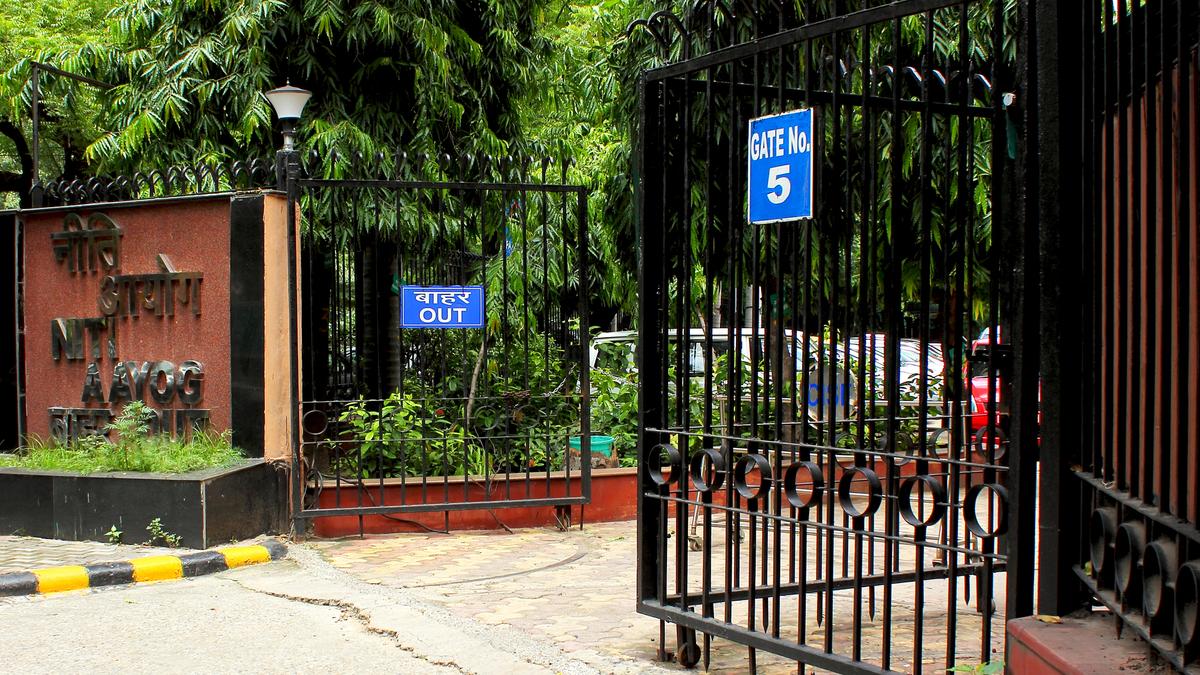
NITI Aayog has proposed a ₹50,000 crore fund and a mission-mode execution strategy to transform India into a global biotechnology powerhouse, aiming to scale the nation's bioeconomy from $195.3 billion in 2025 to $2.6 trillion by 2047.
India's Strategic Leap Toward a Global Bioeconomy
NITI Aayog, the Government of India's premier policy think tank, has unveiled a transformative roadmap designed to elevate India into a global biotechnology superpower. At the heart of this proposal is the creation of a ₹50,000 crore dedicated fund, intended to catalyze research, development, and industrial scaling. The ambition is staggering: to expand India's bioeconomy from a projected $195.3 billion in 2025 to a massive $2.6 trillion by 2047. This move signals a strategic shift from being a primary provider of low-cost generics and vaccines to becoming a hub for high-end biotechnological innovation and bio-manufacturing.
The Financial Engine and Mission-Mode Execution
The proposal of a ₹50,000 crore fund is not merely about capital injection but about creating a sustainable ecosystem for high-risk, high-reward biotech ventures. Biotechnology typically requires long gestation periods and immense capital expenditure before commercialization. By providing this financial cushion, the government aims to encourage both public and private sectors to invest in cutting-edge research. The 'mission-mode' execution strategy implies a streamlined, goal-oriented approach where specific milestones are set and monitored, ensuring that bureaucratic delays do not stifle scientific progress. This approach is critical for maintaining pace with global competitors who utilize similar accelerated frameworks for strategic technologies.
Overcoming Regulatory Bottlenecks
A pivotal component of the NITI Aayog roadmap is the emphasis on regulatory reforms. For India to reach a $2.6 trillion bioeconomy, it must modernize its legal frameworks regarding genetic engineering, biosafety, and clinical trials. Historically, the biotech sector has faced hurdles due to overlapping jurisdictions and slow approval cycles. By proposing a reformed regulatory environment, the government seeks to create a 'single-window' ease of doing business for biotech firms. This will likely involve updating guidelines for CRISPR technology, synthetic biology, and advanced therapeutics, ensuring that safety standards are maintained without compromising the speed of innovation.
Historical Context: From Pharmacy to Innovation Hub
India has long been recognized as the 'pharmacy of the world' due to its dominance in the production of affordable generic drugs and its massive vaccine manufacturing capacity. However, the current roadmap acknowledges that the next frontier of medicine and industry is biological. While the generic drug model focused on reverse engineering and cost-optimization, the new biotech push focuses on discovery and novelty. By transitioning toward a bioeconomy, India is leveraging its existing strengths in pharmaceutical chemistry and diversifying into biologics, personalized medicine, and bio-based industrial chemicals, moving up the global value chain.
Broader Implications Across Sectors
The implications of this $2.6 trillion target extend far beyond healthcare. A robust bioeconomy will revolutionize Indian agriculture through the development of climate-resilient crops and bio-fertilizers, reducing the reliance on chemical inputs. In the environmental sector, the push toward bio-manufacturing will likely accelerate the adoption of biodegradable plastics and carbon-capture biological systems, aligning with India's net-zero commitments. This holistic integration of biotechnology into the broader industrial fabric will create a new class of high-skilled jobs, fostering a generation of bio-entrepreneurs and researchers within the country.
Future Trends and Global Competitiveness
Looking ahead, the convergence of Artificial Intelligence (AI) and Biotechnology—often termed 'Bio-IT'—will be the primary driver of this growth. NITI Aayog's roadmap likely anticipates the use of AI in protein folding and drug discovery to shorten the R&D cycle. As the US and China continue to compete for biotech supremacy, India's strategic investment allows it to carve out a niche in sustainable bio-manufacturing and affordable advanced therapeutics. If successfully implemented, this roadmap will not only secure India's health security but also establish it as a critical node in the global biological supply chain by 2047.
Conclusion
The NITI Aayog proposal represents a visionary blueprint to transition India from a service-oriented biotech participant to a global leader. By combining massive financial backing with regulatory agility and a clear long-term target, India is positioning itself to dominate the bio-century. The leap to a $2.6 trillion bioeconomy is an ambitious goal, but with the proposed mission-mode execution, it serves as a catalyst for systemic economic and scientific transformation.
Verification Required?