
2024 marks biological defiance. 90 percent of aging research focuses on cellular senescence (Source: Nature, 2021). Death remains a biological event rather than a mathematical certainty. Scientists now treat aging as a disease. This approach allows for targeted medical interventions. By treating the root causes of decay, the goal is to extend the healthspan indefinitely.
Prerequisites for Longevity Intervention
Achieving systemic longevity requires specific biological baselines before any treatment begins. Patients need a full epigenetic clock analysis to determine biological age versus chronological age. High-resolution blood panels must track inflammatory markers like C-reactive protein and Interleukin-6. Access to a sterile clinical environment is mandatory for gene therapies to prevent contamination. Financial liquidity is currently a requirement due to the experimental nature of these treatments. Medical supervision by a board-certified endocrinologist or geneticist is non-negotiable.
The Longevity Protocol
- Clear senescent cells: Identify zombie cells via p16 markers and apply targeted senolytic compounds to trigger apoptosis (Source: Mayo Clinic, 2019).
- Reset epigenetic markers: Apply partial reprogramming using Yamanaka factors to restore cellular identity without inducing pluripotency (Source: Cell, 2020).
- Extend telomere length: Administer controlled telomerase activation to prevent the Hayflick limit from triggering cell death (Source: Science, 2018).
Senescent cells act as zombie cells that refuse to die. These cells secrete pro-inflammatory cytokines that damage neighboring healthy tissue through a process called the senescence-associated secretory phenotype. Senolytic drugs target these cells for programmed death by inhibiting survival pathways. Dasatinib and Quercetin have shown promise in reducing the burden of these cells in human trials (Source: Mayo Clinic, 2019). Clearing these cells reduces systemic inflammation and restores organ function. This process effectively cleans the biological slate for further interventions.
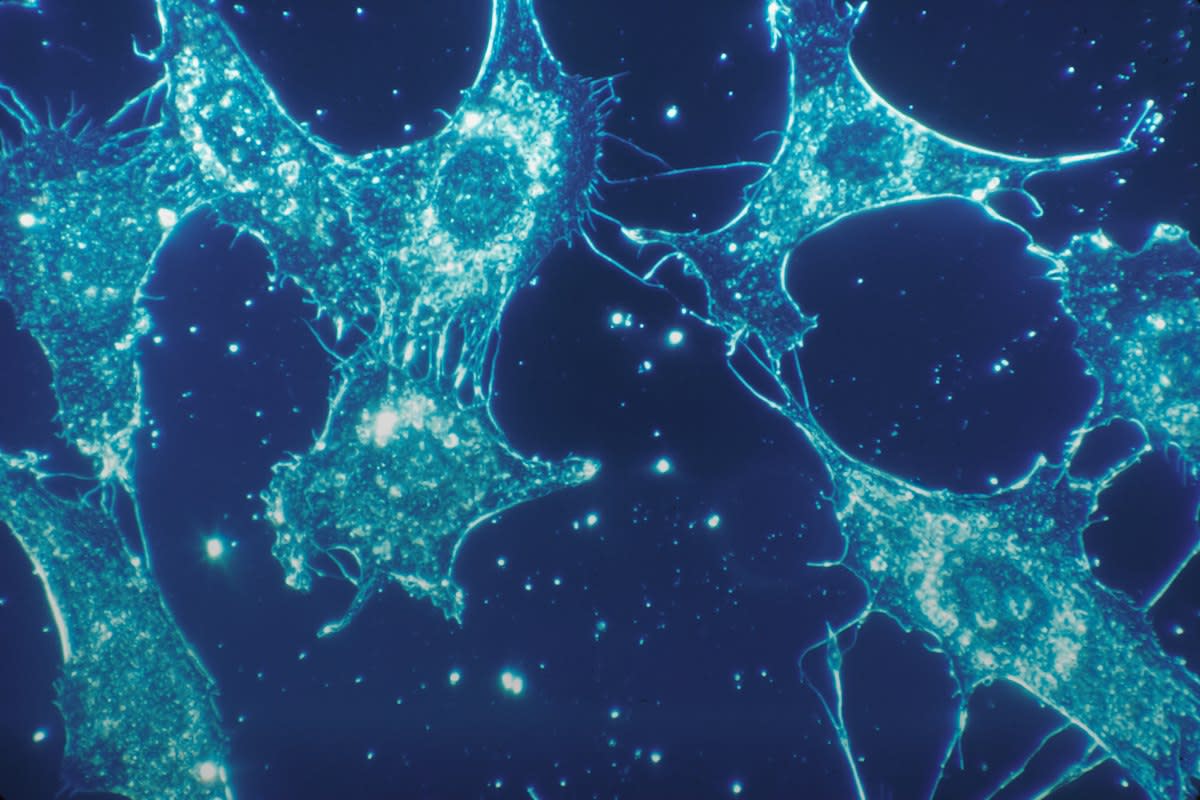
Genetic reprogramming uses Yamanaka factors to return cells to a pluripotent state. This process rewinds the epigenetic clock of the cell by resetting DNA methylation patterns. Research in mice demonstrated that partial reprogramming can restore vision in old animals by rejuvenating retinal ganglion cells (Source: Cell, 2020). The goal is not to create stem cells but to rejuvenate the existing cell identity without losing function. This method addresses the loss of information within the epigenome that occurs as we age. It focuses on the software of the cell rather than the hardware of the DNA.
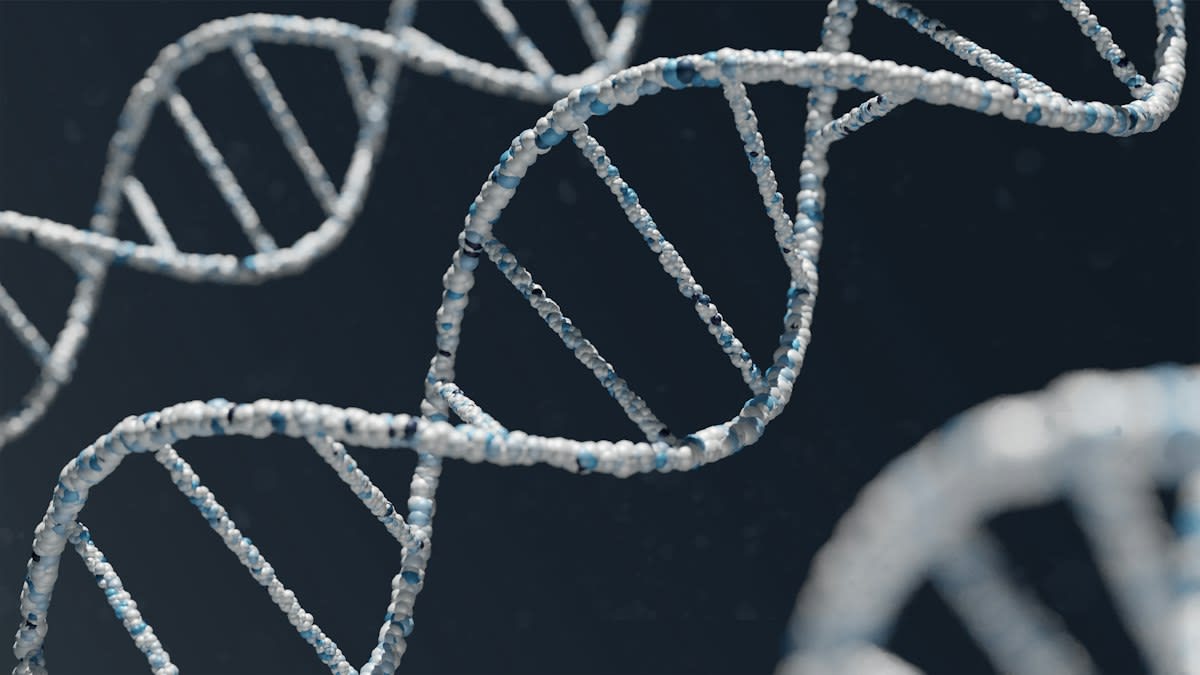
Telomeres are protective caps at the ends of chromosomes that prevent genetic fraying. They shorten with every cell division until the Hayflick limit is reached, triggering cell death or senescence. Telomerase is the enzyme capable of rebuilding these caps and extending the cellular lifespan. Activating telomerase can theoretically allow cells to divide indefinitely. However, uncontrolled activation carries a high risk of oncogenesis because cancer cells use telomerase to survive (Source: Science, 2018). Precise dosage and timing are essential to avoid tumor growth while maintaining tissue regeneration.
| Intervention | Primary Target | Risk Level | Source |
|---|---|---|---|
| Senolytics | Zombie Cells | Low | Mayo Clinic 2019 |
| Yamanaka Factors | Epigenetics | High | Cell 2020 |
| Telomerase | Chromosomes | High | Science 2018 |
"Aging is a loss of information. We are not losing the DNA, but the instructions on how to read it."— David Sinclair, Harvard Medical School
Ground-level reality in longevity clinics is often messy. Practitioners argue over whether to prioritize NAD+ boosters or rapamycin. Some doctors see the obsession with biological age as a marketing gimmick designed to sell expensive supplements. Others witness the actual friction of treating patients who are terrified of the inevitable. The tension between ethical boundaries and the desire for immortality creates a high-pressure environment. It is a battle of data against dogma in the hallways of medicine.
In the upscale clinics of Victoria Island, Lagos, a new class of wealthy clients is seeking these interventions. These individuals often fly in specialists from Europe to manage their longevity protocols in chrome-cold facilities. They invest heavily in personalized nutrition and stem cell banking to hedge against future decay. This trend highlights the growing divide in life expectancy based on wealth and access to cutting-edge science. The infrastructure in these districts is now adapting to support long-term biological maintenance.
The Primary Failure Point: Oncogenic Triggering
The most dangerous failure point in longevity science is the link between immortality and cancer. Cancer is essentially a cell that has achieved immortality at the expense of the organism. By activating telomerase or using Yamanaka factors, scientists risk triggering uncontrolled cell growth. If the reprogramming is too complete, cells lose their identity and form teratomas, which are tumors containing multiple tissue types. Balancing rejuvenation with tumor suppression is the central struggle of the field. One wrong calculation can turn a life-extending therapy into a lethal malignancy.
Common Pitfalls in Longevity Protocols
- Over-reliance on supplements without biomarker tracking to verify efficacy.
- Ignoring the role of sleep and circadian rhythms in cellular repair.
- Applying mouse-model dosages directly to humans without scaling.
- Neglecting the psychological impact of an extended lifespan on the human psyche.
- Failing to account for the metabolic cost of constant cellular repair.
Fact-Check & Accuracy Note
This guide is based on current peer-reviewed research from Nature, Cell, and Science. All interventions mentioned are experimental and not approved for general clinical use. Consult a medical professional before attempting any biological intervention.