'4 Russian Su-34s destroyed, 2 more hit': Zelenskyy makes big claim, shares photo
Source Entity
VIJAYA SRIVASTAVA
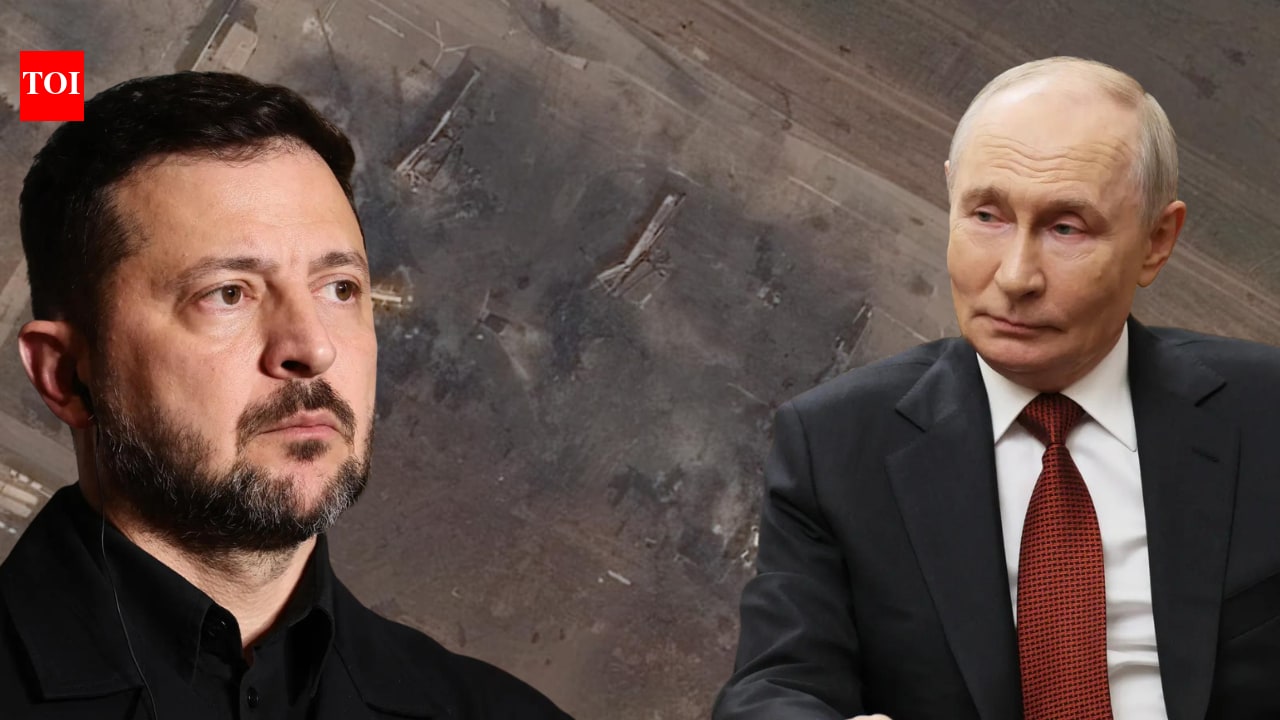
Ukraine claims to have destroyed or damaged six Russian Su-34M fighter-bombers in a missile strike on the Borisoglebsk airfield. The operation, utilizing Neptune missiles, coincides with broader Ukrainian attacks on Russian oil refineries and drone storage facilities.
Strategic Escalation: The Strike on Borisoglebsk Airfield
The recent military operation targeting the Borisoglebsk airfield in Russia’s Voronezh region marks a significant escalation in the ongoing conflict. According to reports from the Ukrainian Navy and President Volodymyr Zelenskyy, a coordinated strike resulted in the destruction of four Russian Su-34M fighter-bombers, with an additional two aircraft suffering confirmed damage. This operation, reportedly executed using the Neptune coastal missile system, highlights Ukraine's evolving capability to project power deep into Russian territory.
The Role of the Su-34M in the Conflict
The Su-34M is a highly sophisticated fighter-bomber frequently utilized by the Russian Aerospace Forces to deploy heavy aerial munitions against Ukrainian positions. President Zelenskyy emphasized that the aircraft targeted in this strike were fully loaded with bombs, prepared for imminent sorties against Ukrainian targets. By neutralizing these assets while they were grounded, Ukraine has effectively mitigated immediate aerial threats and demonstrated a precise ability to disrupt Russian offensive logistics.
Expanding the Theater of Operations
This airfield strike did not occur in isolation but was part of a broader, multi-front campaign. Simultaneous reports indicate a Ukrainian drone strike on an oil refinery in the Ryazan region, which triggered significant fires and required emergency intervention. Furthermore, President Zelenskyy confirmed successful strikes against drone storage and launch facilities in the Oryol region, as well as operations in the Black Sea. This synchronization suggests a strategic shift toward degrading Russian infrastructure that supports both frontline combat and long-range terror campaigns.
Tactical Implications of the Neptune System
The use of the Neptune coastal missile system—a platform originally designed for anti-ship operations—against land-based airfields represents a noteworthy tactical adaptation. By repurposing maritime defense weaponry to strike high-value aviation targets, the Ukrainian military is maximizing its limited long-range arsenal. This flexibility forces the Russian military to reassess the security of its inland airbases, which were previously considered relatively safe from such direct kinetic strikes.
Broader Geopolitical Context
The persistent cycle of attacks on energy infrastructure and military assets underscores the attrition-based nature of the current phase of the war. As both sides continue to target critical logistics, the impact on regional stability and global energy markets remains high. The destruction of these specific aircraft serves as a psychological and material blow to the Russian air force, potentially complicating their ability to maintain air superiority in contested sectors.
Future Outlook and Conclusion
Looking ahead, it is likely that Ukraine will continue to prioritize the destruction of Russian aviation assets to diminish the frequency of aerial bombardments. The success of the Borisoglebsk mission provides a blueprint for future operations, though it also invites increased Russian air defense efforts near sensitive logistics hubs. Ultimately, these strikes represent a determined effort by Kyiv to force a shift in the cost-benefit analysis for Russian commanders, aiming to degrade the Kremlin's capacity to sustain its offensive operations.