‘Unusual, threat to biodiversity’: Thousands of dead fish found along Yamuna banks
Source Entity
The Indian Express
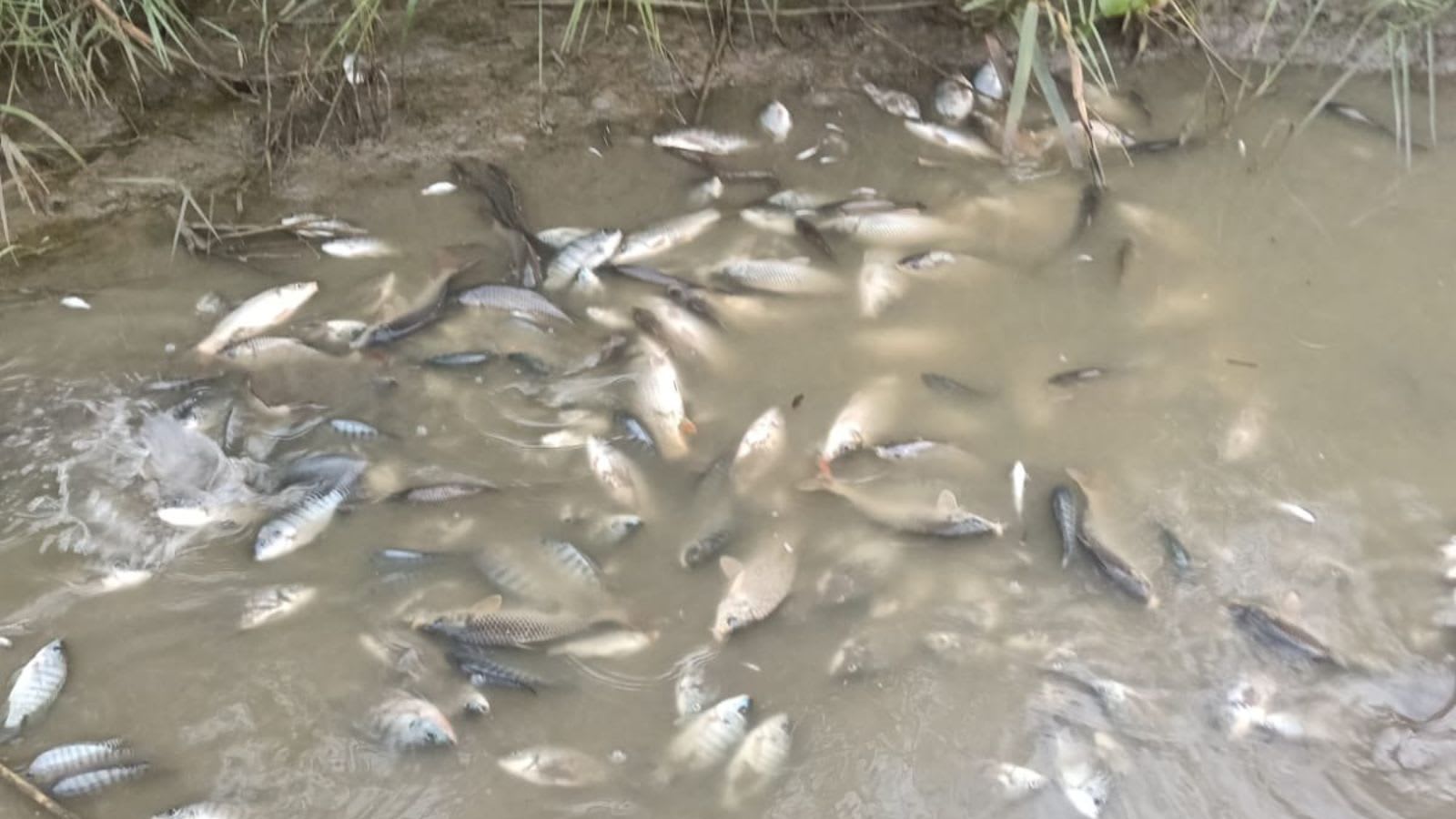
Thousands of dead fish, including Tilapia and Common Carp, were discovered along the Yamuna riverbanks in North Delhi. Experts warn this recurring phenomenon threatens the river's already fragile aquatic biodiversity.
Ecological Crisis on the Yamuna: Mass Fish Mortality
The discovery of thousands of dead fish along the banks of the Yamuna near Burari in North Delhi represents a significant environmental red flag. Occurring in the stretch upstream of the Wazirabad Barrage, this event is not an isolated incident but part of a recurring pattern that signals severe underlying issues within the river's ecosystem. The presence of species such as Tilapia and Common Carp floating in shallow waters or washed ashore highlights the immediate impact on the river's biological health.
The Timing and Environmental Context
Bhim Singh Rawat, an expert from the South Asia Network on Dams, Rivers and People (SANDRP), has highlighted the timing of this event as particularly alarming. Occurring immediately after the monsoon season—a period typically associated with high water flow and potential dilution of pollutants—the mass die-off suggests that contamination levels or environmental stressors remain high even when water volume is theoretically sufficient. This contradicts the seasonal expectation of river cleansing and points toward systemic pollution or oxygen depletion that persists regardless of meteorological shifts.
Implications for Biodiversity
The Yamuna, already struggling with historical pollution, faces a mounting threat to its remaining aquatic life. The loss of thousands of fish in a single event disrupts the local food chain and diminishes the river's capacity to sustain natural biodiversity. When sensitive species perish in such high numbers, it indicates that the water quality has likely breached critical thresholds for survival, including dissolved oxygen levels and chemical toxicity, which can have cascading effects on other organisms that rely on the river.
The Wazirabad Barrage Factor
Central to this crisis is the stretch upstream of the Wazirabad Barrage. This area has been identified as a recurring site for fish mortality, suggesting that the structural management of the river—specifically how water is dammed, diverted, and controlled—plays a pivotal role in these ecological disasters. The stagnation or lack of consistent, oxygen-rich flow in this specific stretch likely exacerbates the impact of pollutants, creating "dead zones" where aquatic life cannot thrive.
A Call for Systematic Intervention
This incident serves as an urgent reminder that the Yamuna's health is in a state of rapid decline. As experts like Rawat have noted, the situation is not merely an aesthetic or local issue but a "serious threat" to the river's long-term viability. Addressing this will require more than reactive cleanup; it demands a comprehensive review of industrial and urban waste management policies upstream, as well as a reassessment of how barrage operations affect the ecological integrity of the river.
Future Trends and Outlook
If the current trend of recurring mortality continues, the Yamuna risks becoming a biological desert. Future efforts must focus on monitoring water quality in real-time, especially in the post-monsoon window, to identify the specific pollutants causing these events. Without significant intervention to restore natural flow regimes and mitigate the influx of toxic substances, the biodiversity of one of India's most important rivers may face irreversible damage.