Exclusive: Imran Khan to move Bombay HC, challenge ‘illegal' Leave India notice
Source Entity
Latest News: Todays Latest News Headlines from India & World | Hindustan Times | Hindustan Times
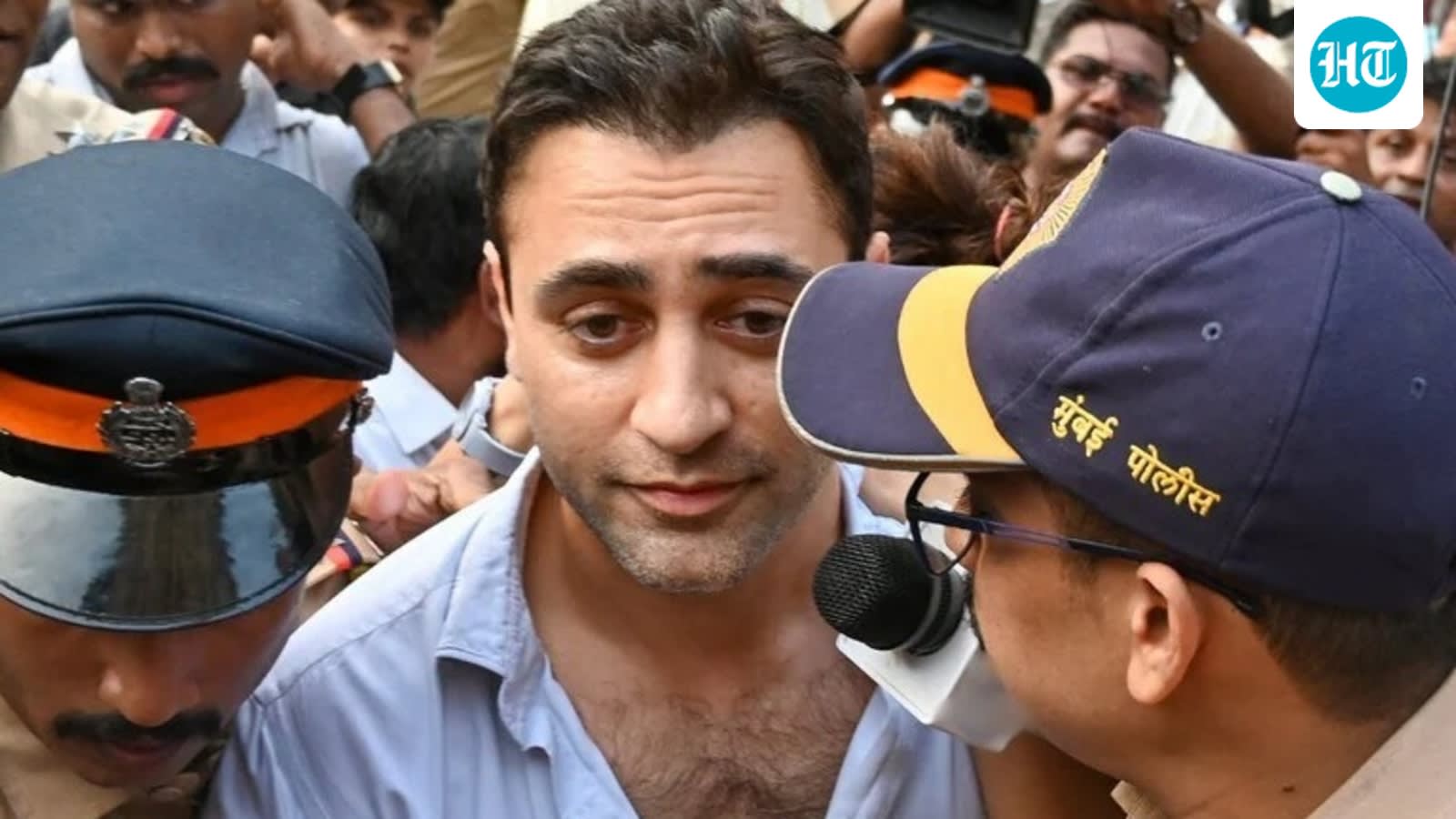
Actor Imran Khan, a US citizen holding an OCI card, has been ordered by the Mumbai FRRO to leave India by October 28. This follows his participation in anti-CEC protests, which authorities allege violates the Foreigners Act.
Legal Implications for Overseas Citizens of India
The recent directive issued by the Foreigners Regional Registration Office (FRRO) in Mumbai, ordering actor Imran Khan to depart India by October 28, highlights the stringent regulatory environment surrounding the Overseas Citizen of India (OCI) status. As a United States national, Khan’s presence in India is governed by the Foreigners Act and specific guidelines applicable to OCI cardholders. The core of this legal contention rests on the interpretation of political activism by foreign nationals residing within Indian borders.
The Catalyst: August Kranti Maidan Protests
The situation escalated following Khan’s participation in a demonstration at Mumbai’s August Kranti Maidan on October 10. The protest, which focused on demands for the resignation of Chief Election Commissioner (CEC) Gyanesh Kumar, saw widespread police intervention. Khan was among the hundreds of individuals detained during the event. This public involvement drew immediate scrutiny from political figures, specifically BJP leader Kirit Somaiya, who filed a formal complaint alleging that Khan’s actions constituted a breach of the conditions attached to his OCI status.
Regulatory Framework and Political Participation
Under Indian law, OCI cardholders are granted several privileges, including multi-purpose, multiple-entry, lifelong visas for visiting India. However, these privileges are not absolute. The government maintains the right to restrict certain activities, particularly those perceived as political in nature. By participating in a protest against a constitutional authority like the CEC, authorities argue that Khan crossed the line from a private citizen to an active participant in domestic political discourse, thereby violating the terms of his stay.
The Role of the FRRO and Enforcement
The Mumbai Police and the FRRO have acted decisively by serving a formal notice to the actor, who resides in the Khar area. This administrative move underscores the government's authority to regulate the conduct of foreign nationals. By serving the notice, the FRRO has effectively signaled that non-citizens, regardless of their OCI status or familial ties to the local film industry, are subject to the same immigration laws regarding political neutrality.
Broader Implications and Future Trends
This incident serves as a cautionary precedent for foreign nationals and OCI cardholders regarding the limits of their participation in Indian public life. As the government continues to enforce the Foreigners Act with increased rigor, it is likely that authorities will keep a closer watch on the activities of high-profile expatriates. This development suggests a future where the distinction between protected speech and prohibited political activity for non-citizens will be strictly policed to maintain national regulatory standards.
Multiple Citing Sources
Verification Required?