CP Central Park shut: NDMC after court refuses to restrain Dipke from holding protest tomorrow
Source Entity
Latest News: Todays Latest News Headlines from India & World | Hindustan Times | Hindustan Times
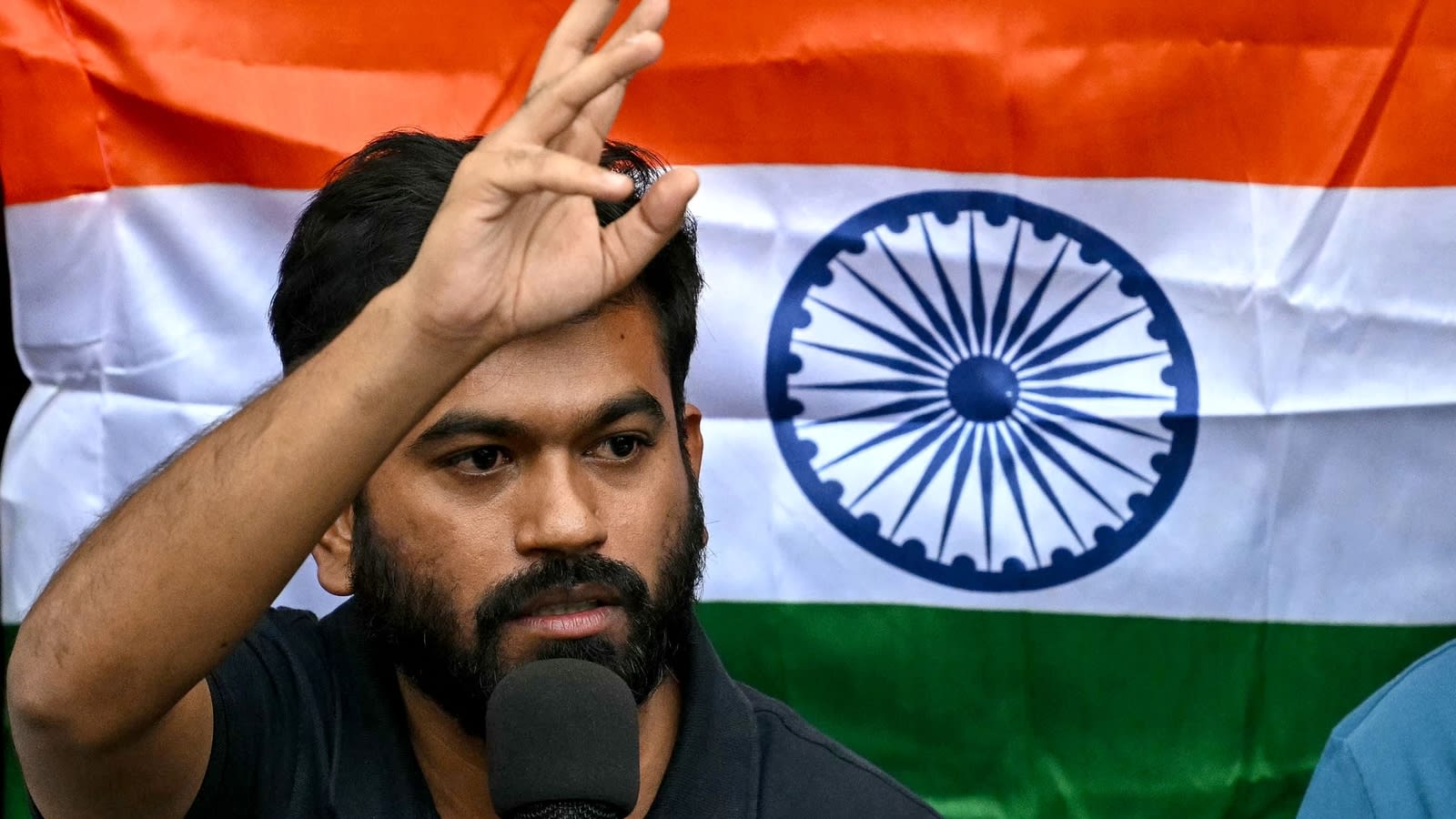
CJP leader Abhijeet Dipke and student activists have accused the Indian government of suppressing protests against Chief Election Commissioner Gyanesh Kumar. The controversy centers on alleged mass voter deletions and the detention of political leaders and demonstrators in Delhi.
The Controversy Surrounding CEC Gyanesh Kumar
Recent developments in Delhi have escalated into a significant political confrontation, as activist Abhijeet Dipke, founder of the Cockroach Janta Party (CJP), has launched a scathing critique of the central government. At the heart of the unrest is a series of protests demanding the resignation of Chief Election Commissioner (CEC) Gyanesh Kumar. These demonstrations have been met with what critics describe as an overwhelming and disproportionate security response, characterized by the suspension of rail services and the closure of key Metro stations across the capital.
Allegations of State Overreach and Suppression
Abhijeet Dipke, alongside student leaders including Neha Bora of the All India Students' Association, has alleged that the government is utilizing state machinery to protect the position of one individual—CEC Gyanesh Kumar. According to Dipke, students and young protestors have been subjected to aggressive detention tactics over the past two weeks. The situation reached a boiling point during a press conference where reports of chaos and physical confrontation underscored the high-stakes nature of the ongoing dissent.
The Role of Political Leadership and Civil Society
The protests have transcended student activism, drawing support from prominent opposition figures. Dipke has highlighted the detention of high-profile leaders, including former Chief Ministers Mamata Banerjee, Arvind Kejriwal, and Pinarayi Vijayan. The involvement of such senior political figures suggests that the grievances against the Election Commission are being framed as a systemic threat to democratic stability, rather than a localized or isolated grievance.
Electoral Integrity and Voter Deletions
Perhaps the most explosive claim made by Dipke is the allegation regarding the deletion of over 13 crore voters from the electoral rolls. Dipke has questioned the legitimacy of this process, characterizing it as a potential "setting" to influence future electoral outcomes. This allegation directly challenges the impartiality of the Election Commission under Gyanesh Kumar and raises fundamental questions about the transparency of the voter registration process in India.
Challenges to Press Freedom and Dissent
Beyond the physical detentions, the discourse has shifted toward the suppression of media and civil society. Neha Bora has voiced significant concerns regarding the treatment of journalists attempting to cover these protests. When the press is hindered from documenting the actions of authorities, it creates an environment of opacity that further fuels public distrust. The participation of public figures like actor Prakash Raj in these press conferences signals a broader coalition of civil society members aligning against what they perceive as an authoritarian trend.
Broader Implications for Indian Democracy
As the situation in Delhi continues to evolve, the core issue remains the trust deficit between the public and the institution of the Election Commission. The demand for the resignation of the CEC, coupled with allegations of massive voter disenfranchisement, suggests that the upcoming electoral cycles will be characterized by intense scrutiny. If these allegations of state-sponsored suppression and electoral manipulation are not addressed through transparent institutional processes, the current unrest may serve as a precursor to more widespread political volatility in the months ahead.
Multiple Citing Sources
Verification Required?