Poll Body's Big Inclusion Move: Special Summary Revision To Boost Voter Enrolment In 17 States, UTs
Source Entity
NDTV News Search Records Found 1000
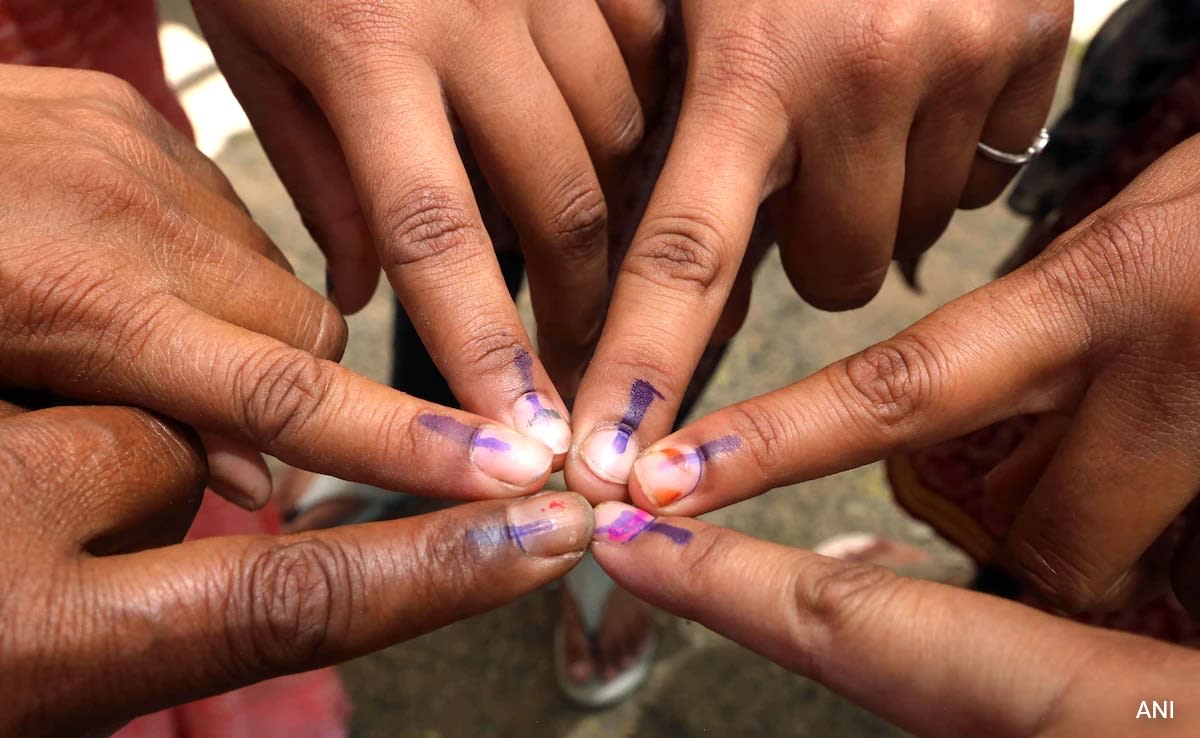
The Election Commission of India has ordered a Special Summary Revision of voter rolls in 17 states to address concerns over voter disenfranchisement. This move follows widespread opposition protests regarding the previous Special Intensive Revision process, which reportedly led to the deletion of voter names.
Election Commission Initiates Corrective Measures for Voter Rolls
The Election Commission of India (ECI) has officially ordered a Special Summary Revision of electoral rolls across 17 states and Union Territories. This directive arrives as a significant administrative response to the controversy surrounding the recent Special Intensive Revision (SIR) exercise, which faced intense scrutiny and public pushback from various political stakeholders.
The Context of the SIR Controversy
The previous Special Intensive Revision process became a flashpoint for political tension, with opposition parties alleging that the exercise resulted in the arbitrary or systematic deletion of names from the voters' list. For a democratic framework, the integrity of the electoral roll is the foundational pillar; any perceived irregularities in the inclusion or exclusion of voters can lead to a erosion of public trust in the electoral process. The ECI’s current intervention is a strategic attempt to rectify these administrative grievances.
Prioritizing Inclusion and Transparency
Unlike the preceding SIR, which drew criticism for its exclusionary outcomes, the new mandate for a Special Summary Revision is explicitly focused on the inclusion of eligible voters. By shifting the administrative focus toward enrollment, the ECI aims to ensure that the electoral rolls reflect an accurate and inclusive database of the citizenry, thereby mitigating the disenfranchisement concerns raised by opposition groups during the earlier phase.
Political Implications and Governance
Electoral rolls are not merely technical documents; they are the instruments through which the mandate of the people is exercised. The ongoing protests underscore the high stakes involved in the maintenance of these rolls. When opposition parties raise concerns regarding voter deletions, it forces the constitutional body to balance its administrative efficiency with the necessity of maintaining political neutrality and ensuring that no eligible citizen is left out of the democratic process.
Future Trends in Electoral Management
The ECI’s pivot toward a corrective revision suggests a reactive approach to policy implementation in the face of public and political dissent. Moving forward, the effectiveness of this summary revision will be measured by its success in restoring the names of eligible voters and calming the political discourse surrounding electoral integrity. This episode highlights the increasing need for transparency in how the ECI manages the lifecycle of voter data in an era of heightened political vigilance.
Verification Required?