Trump halts livestream plan for Fort Hood shooter Nidal Hasan’s execution
Source Entity
Latest News: Todays Latest News Headlines from India & World | Hindustan Times | Hindustan Times
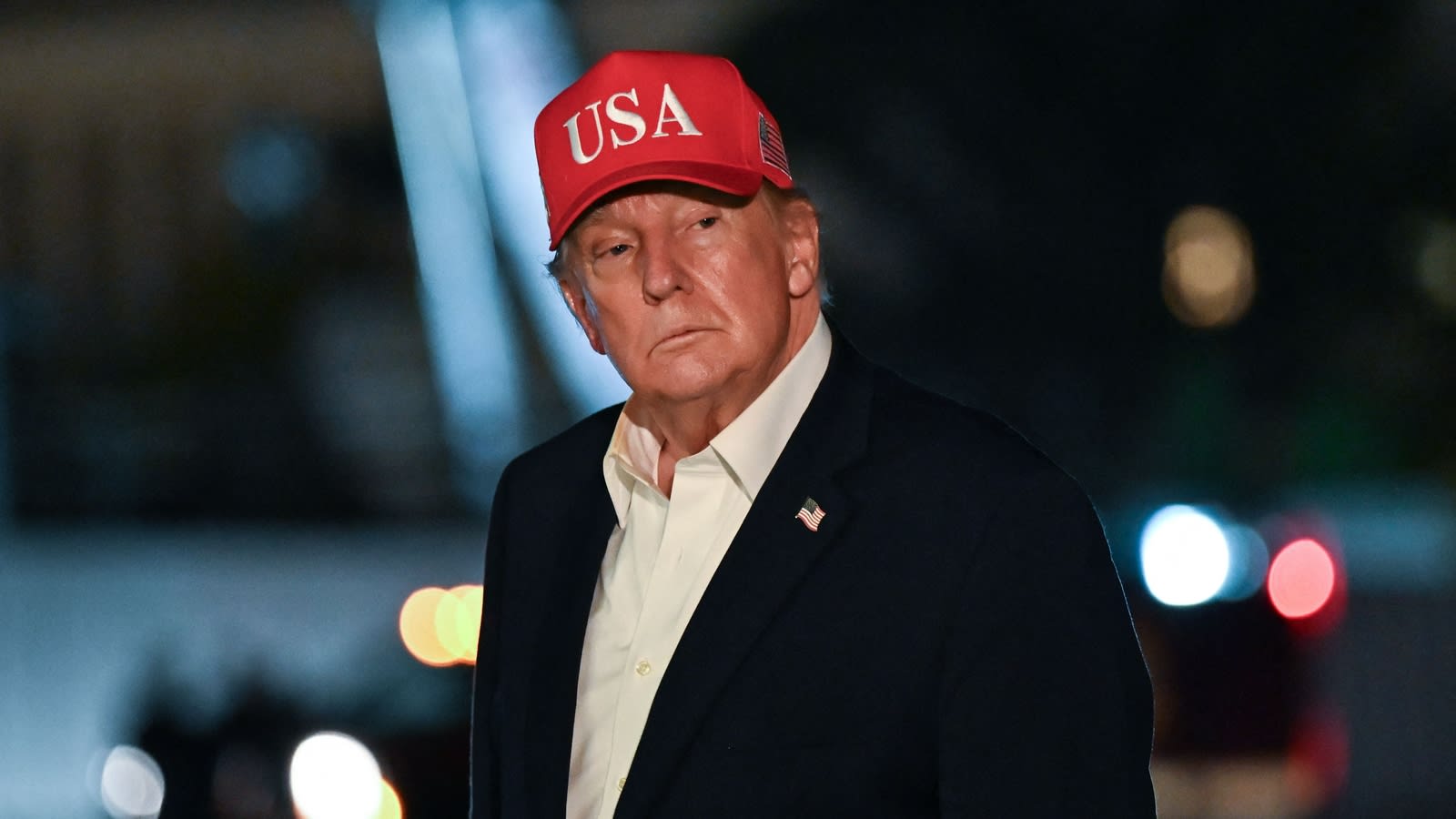
President Donald Trump has reversed his decision to livestream the execution of Fort Hood shooter Nidal Hasan. The cancellation follows significant backlash from military officials and lawmakers who feared the broadcast would serve as propaganda.
The Reversal on the Fort Hood Execution Livestream
Context of the Fort Hood Tragedy
In November 2009, the United States military community was devastated by a mass shooting at the Fort Hood base in Killeen, Texas. Nidal Hasan, then an Army psychiatrist and Major, opened fire on unarmed soldiers, resulting in the deaths of 13 individuals and leaving more than 30 others wounded. This horrific event remains one of the most significant domestic security breaches in the history of the U.S. military, sparking years of legal proceedings and intense public debate regarding justice and accountability for acts of terrorism on American soil.
The Controversial Proposal
Recent developments brought this case back into the national spotlight when the Pentagon announced plans to carry out Hasan’s execution via firing squad on December 3, with the specific intent of livestreaming the event. President Donald Trump initially expressed strong support for this public display, characterizing it as a potential deterrent to global terrorism. He framed the proposed broadcast as a way for the world to witness how the United States handles those he described as traitors and "scum."
Military and Political Opposition
Following the announcement, a coalition of 72 retired U.S. generals, admirals, and high-ranking officers issued a formal letter urging the government to cancel the broadcast. These military leaders argued that such a public display would be "barbaric" and would ultimately "taint the honor of the military." Furthermore, experts and lawmakers from both political parties voiced significant concerns that the footage would not act as a deterrent, but instead serve as a potent recruitment tool for extremist groups, effectively turning Hasan into a martyr.
The President’s Pivot
As criticism mounted from religious leaders, lawmakers, and the military establishment, President Trump announced on Thursday that the execution would proceed as scheduled by firing squad, but the livestreaming component was officially canceled. Trump acknowledged that "many very good and well-meaning people would rather not watch him die," marking a significant shift from his earlier stance. This decision reflects the complex tension between the desire for retributive justice and the preservation of institutional dignity.
Historical and Future Implications
This event marks the first military execution in the United States in over 60 years, highlighting the rarity and gravity of such a sentence within the military judicial system. By opting to keep the execution private, the administration has averted a major controversy regarding the ethics of state-sponsored public spectacle. Moving forward, this case will likely remain a landmark reference point for discussions on the intersection of modern digital technology, the death penalty, and the psychological impact of public violence in the age of global media.
Multiple Citing Sources
Verification Required?