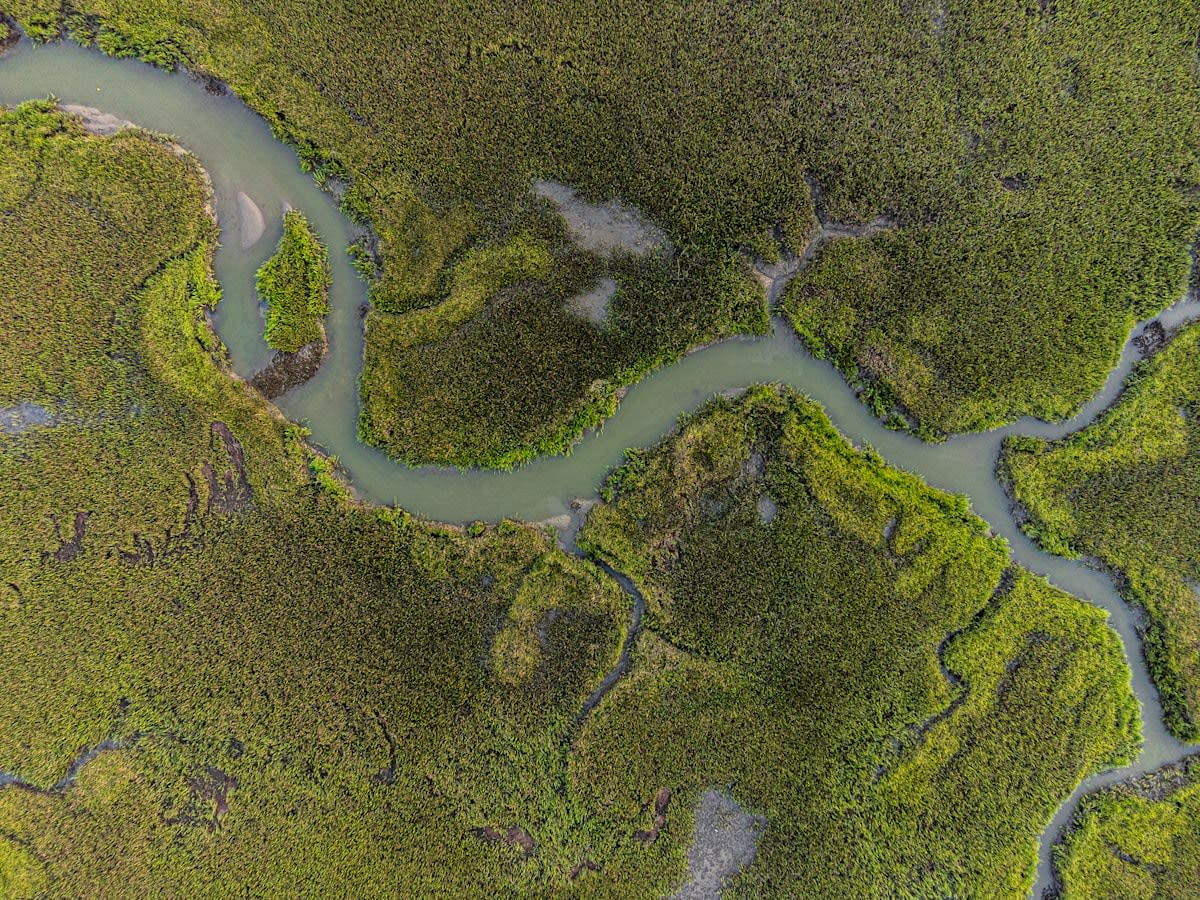
Why do we insist on solving hydrological crises with spreadsheets and subtraction? In the American West, federal officials recently released a framework for the Colorado River that demands Arizona, California, and Nevada slash their water use by 3 million acre-feet over the next decade. It is a classic bureaucratic response: a draconian attempt to manage a shrinking resource through restriction. But while we obsess over quotas and 'preferred alternatives,' we ignore a far more sophisticated engineering system already perfected by nature. The real solution isn't found in a federal mandate, but in the strategic reintroduction of architect species—organisms that don't just live in an environment, but actively redesign it.
An architect species is not merely a member of a food chain; it is a biological infrastructure provider. When we remove these species, we aren't just losing a bit of biodiversity; we are demolishing the plumbing and the foundations of the ecosystem. The result is a systemic collapse that no amount of 'water-efficient turf'—like the initiatives currently seen in Aurora's Municipal Center—can truly offset. To understand the scale of this shift, we must stop looking at conservation as a moral imperative and start seeing it as a strategic asset for global resilience.
The Trophic Domino Effect: Lessons from the Coast
Consider the coastal ecosystems of the Yurok coast. For generations, these waters sustained tribal fishing and gathering, anchored by vast kelp forests. Then came the unregulated harvesting of sea otters, which eradicated approximately 99 percent of the population. This wasn't just a blow to the otter population; it was the removal of the system's primary regulator. Without otters to prey on sea urchins, the urchin populations exploded, grazing the kelp forests into oblivion. The collapse of the kelp didn't just affect the scenery; it triggered a downward spiral for red abalone and rockfish, proving that the absence of a single predator can dismantle an entire underwater economy.
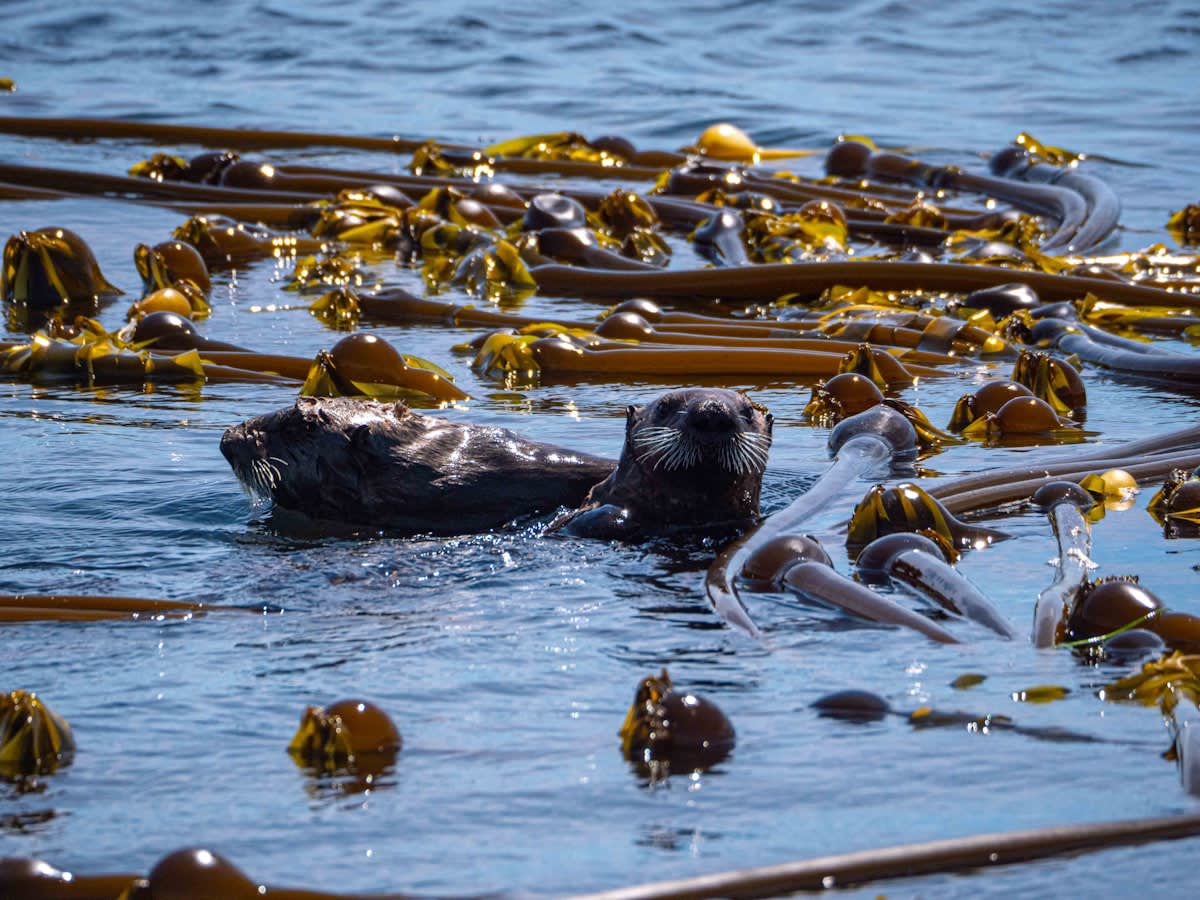
This interaction is a textbook trophic cascade. The sea otter functions as the architect of the kelp forest, maintaining a balance that allows the rest of the ecosystem to thrive. When the otters are gone, the system loses its ability to self-regulate, leading to the documented collapse along the Klamath River shoreline. Is it not absurd that we spend billions on coastal defenses and fishery management while ignoring the biological tool—the sea otter—that provides these services for free? The restoration of these keystone species is the only way to move from a state of perpetual decline to one of active regeneration.
"Sea otters, sea urchins, and kelp constitute a trophic cascade in which sea otters prey on sea urchins, sea urchins consume kelp, and kelp provides habitat for otters. This interaction designates sea otters as a keystone species that contributes to the preservation of underwater forests."— Langendorf et al., 2025
The systemic shift here is profound. We are moving from a model of 'protection'—where we try to fence off what remains—to a model of 'functional restoration.' By reintroducing the predator, we aren't just adding a species back to the list; we are reinstalling the regulatory mechanism of the ocean. This is the biological equivalent of upgrading a city's crumbling sewage system by replacing the pipes with a self-healing organic network.
But the capacity for biological engineering isn't limited to the ocean; it extends deep into the heart of our continental river systems.
Hydrological Engineering Without Concrete
In the United Kingdom, the reintroduction of beavers provides a masterclass in decentralized water management. Since 2015, beavers reintroduced to the River Otter in Devon, and more recently to the Par and Fowey rivers in Cornwall in February 2026, have fundamentally altered the landscape. Unlike human-built dams, which are rigid and often disruptive, beaver dams create complex wetlands. These wetlands slow the flow of water, holding it within the landscape rather than letting it rush downstream in a flash flood or disappear during a drought.
Modern landscapes have been extensively drained to serve agricultural or urban needs, leaving the countryside parched and vulnerable. The beaver reverses this trend. By building dams and canals, they create refuges for wildlife and ensure that water is released slowly into rivers, maintaining base flows even during dry periods. This is not 'nature taking over'; it is the deployment of a highly efficient, self-maintaining water storage system. Why are we still relying on 'draconian' federal plans to cut water use when we could be leveraging mammals to store it more effectively?
| Metric | Traditional Human Engineering | Architect Species Engineering |
|---|---|---|
| Water Management | Rigid dams and draconian quotas | Dynamic wetlands and slowed flow |
| Maintenance | High capital expenditure/decay | Self-sustaining and regenerative |
| Ecosystem Impact | Habitat fragmentation | Trophic cascade restoration |
| Resilience | Fails under extreme stress | Adapts to hydrologic conditions |
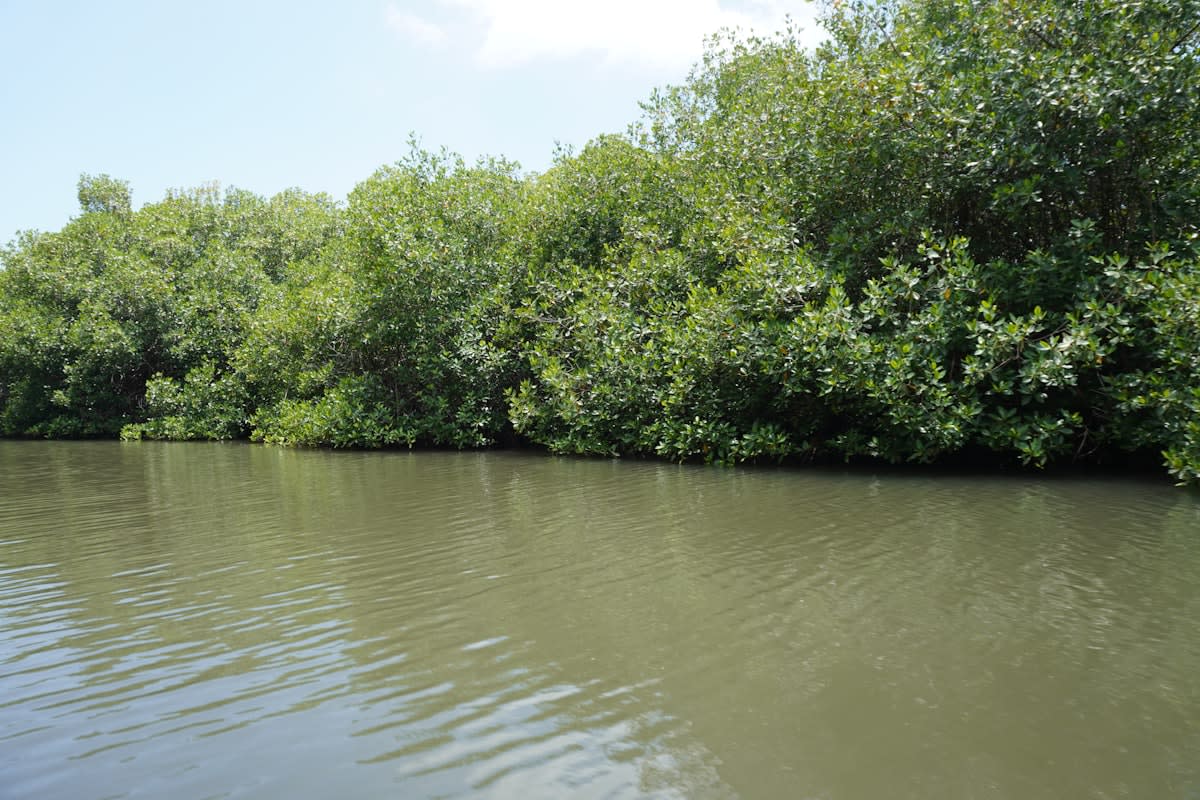
The strategic advantage of the beaver is its ability to create a 'sponge' effect. In a world of increasing climatic volatility, the ability to slow water is more valuable than the ability to move it. The beavers in Devon and Cornwall aren't just building homes; they are building a buffer against the very droughts that are currently forcing the Colorado River Basin into a state of political crisis. The contrast is stark: one system relies on conflict and restriction, while the other relies on synergy and expansion.
This shift in perspective requires us to re-evaluate how we define 'productivity' in a landscape.
From Sinks to Sources: The Multifunctional Blueprint
The logic of the architect species extends even into our agricultural systems. For too long, we have viewed crops as 'sinks'—passive recipients of pollination, nutrient cycling, and pest suppression. However, a new trait-based approach for sustainable agriculture proposes reframing crops as multifunctional providers. By linking functional traits to ecological processes, we can treat crops as 'sources' of ecosystem services. This is the same systemic thinking applied to otters and beavers: stop seeing the organism as a product and start seeing it as a process.
Systemic Shift
The trait-process-service framework allows for systematic comparisons across species and varieties, enabling us to design agroecosystems that provide multiple services simultaneously rather than focusing on a single yield metric.
When we combine this agricultural insight with the reintroduction of keystone species, we see a global pattern emerging. Whether it is transforming the Great Lawn of Aurora into water-efficient turf or restoring sea otters to the Pacific coast, the goal is the same: reducing the reliance on external, artificial inputs and returning to internal, biological regulation. The 'draconian' measures we see in the Colorado River basin are a symptom of a system that has lost its biological architects. We are trying to manage a dead system with laws, rather than a living system with biology.
The question is no longer whether these species can survive in the wild, but whether we have the strategic courage to let them lead the redesign. The evidence from the Yurok coast and the rivers of Devon is clear. The architect species doesn't just change the course of a river; it restores the capacity of the land to sustain itself. It is time to stop managing the decline and start engineering the recovery.
If we continue to prioritize bureaucratic quotas over biological infrastructure, we will find ourselves in a permanent state of crisis management. The alternative is a world where the 'preferred alternative' is not a cut in water use, but the return of the beaver, the otter, and the multifunctional crop. This is not a return to a primitive past, but a leap forward into a sophisticated, biologically-integrated future.