
The Precision Pivot
Cancer treatment is currently undergoing a fundamental architectural shift. For decades, the industry relied on systemic chemotherapy, a method that essentially carpet-bombs the body to kill a tumor, leaving a trail of collateral damage in its wake. Now, the rise of Antibody-Drug Conjugates (ADCs) is changing the math. By fusing a monoclonal antibody—which acts as a GPS—to a potent cytotoxic payload via a chemical linker, scientists have created a biological missile. These agents ignore healthy cells and deploy their lethal cargo only upon reaching the specific protein markers of a tumor.
This is not a gradual evolution; it is an acceleration. We are seeing a transition from single-agent applications to complex, synergistic combinations that target the tumor from multiple angles. The urgency is driven by a global demand for treatments that offer higher efficacy with lower systemic toxicity. As we track the data from 2024 through 2026, the trend is clear: the industry is moving away from the 'one size fits all' approach toward a highly sequenced, targeted strategy that adapts to the tumor's own resistance mechanisms.
Global ADC Market Growth Projection (2023-2033)
Executive Insight
+18.4%
YTD Growth
The financial trajectory reflects this clinical urgency. The global market for ADCs was valued at US$ 11.32 billion in 2023 and is aggressively climbing toward a projected US$ 27.37 billion by 2033. This represents a compound annual growth rate (CAGR) of 9.23% from 2024 to 2033. This capital influx isn't just corporate greed; it is a response to the increasing prevalence of cancer and a desperate global need for safer, more effective interventions. When the market scales this rapidly, it signals a tipping point in how the medical establishment views the feasibility of targeted delivery.
The Synergy Era: Combination Therapies
The real breakthrough this year isn't just the ADCs themselves, but how they are being paired with immunotherapies. We are seeing a move toward 'combo-attacks' that prime the immune system while simultaneously delivering a cytotoxic strike. A prime example is the pairing of enfortumab vedotin with pembrolizumab. In 2024, data from Powles, T. et al. demonstrated the efficacy of this duo in untreated advanced urothelial cancer. By the time we reach 2026, the scope expands further, with Vulsteke, C. et al. exploring perioperative applications for bladder cancer, suggesting that these biological missiles could move from late-stage rescue therapies to early-stage curative interventions.
The strategy extends into breast cancer treatment as well. Tolaney, S. M. et al. have highlighted the potential of combining sacituzumab govitecan with pembrolizumab for advanced triple-negative breast cancer (TNBC). TNBC has historically been one of the most difficult subtypes to treat due to its lack of traditional hormonal targets. By leveraging the ADC's ability to deliver a payload and the immunotherapy's ability to keep the immune system engaged, clinicians are finding ways to crack a code that has remained stubbornly locked for years.
"The shift toward combination therapies represents a transition from simple targeting to systemic orchestration, ensuring that the tumor has no place to hide."— Industry Analysis on ADC Synergy
Breaking the Resistance: Next-Gen Targets
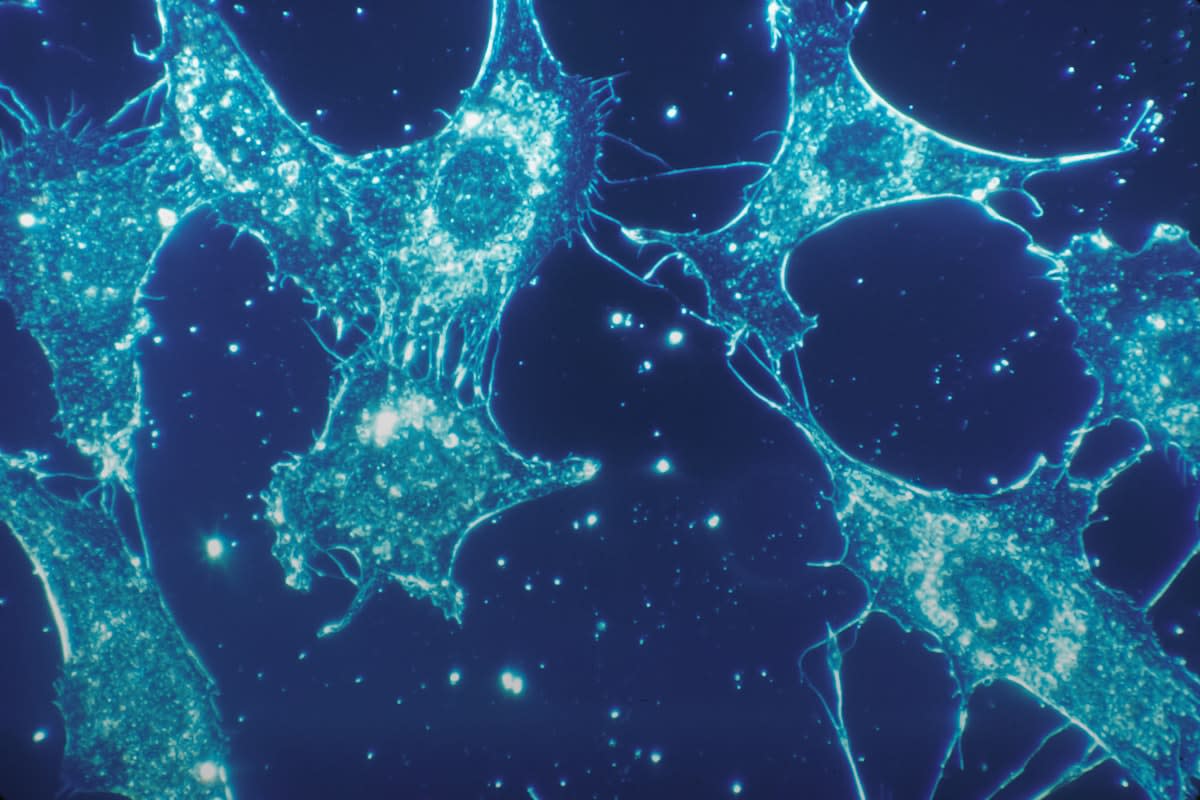
Tumors are intelligent; they adapt. When an ADC hits a target, the cancer often responds by activating autophagy—a cellular recycling process that essentially 'cleans up' the damage and allows the cell to survive. The next generation of ADCs is designed to anticipate this. Research by Xu, C. et al. in 2024 focuses on modulating autophagy to boost the antitumor efficacy of TROP2-directed ADCs in pancreatic cancer. Similarly, Xue, W. et al. have explored autophagy inhibition to enhance CLDN18.2-directed ADCs in gastric cancer. They aren't just delivering a drug; they are disabling the tumor's defense system.
Then there is the challenge of sequencing. In metastatic breast cancer, patients often develop resistance to first-line ADCs. This is where agents like ARX788 come into play. Tripathy, D. et al. have evaluated this anti-HER2 ADC specifically for patients who have already been treated with trastuzumab deruxtecan (T-DXd). This creates a tiered strategy: when the first missile fails, a second, differently engineered missile is deployed. This sequencing approach, as reviewed by de Almeida, L. F. C. et al. in 2026, transforms cancer treatment into a strategic campaign rather than a single, desperate gamble.
The Industrial Engine: Scaling the Missile Factory
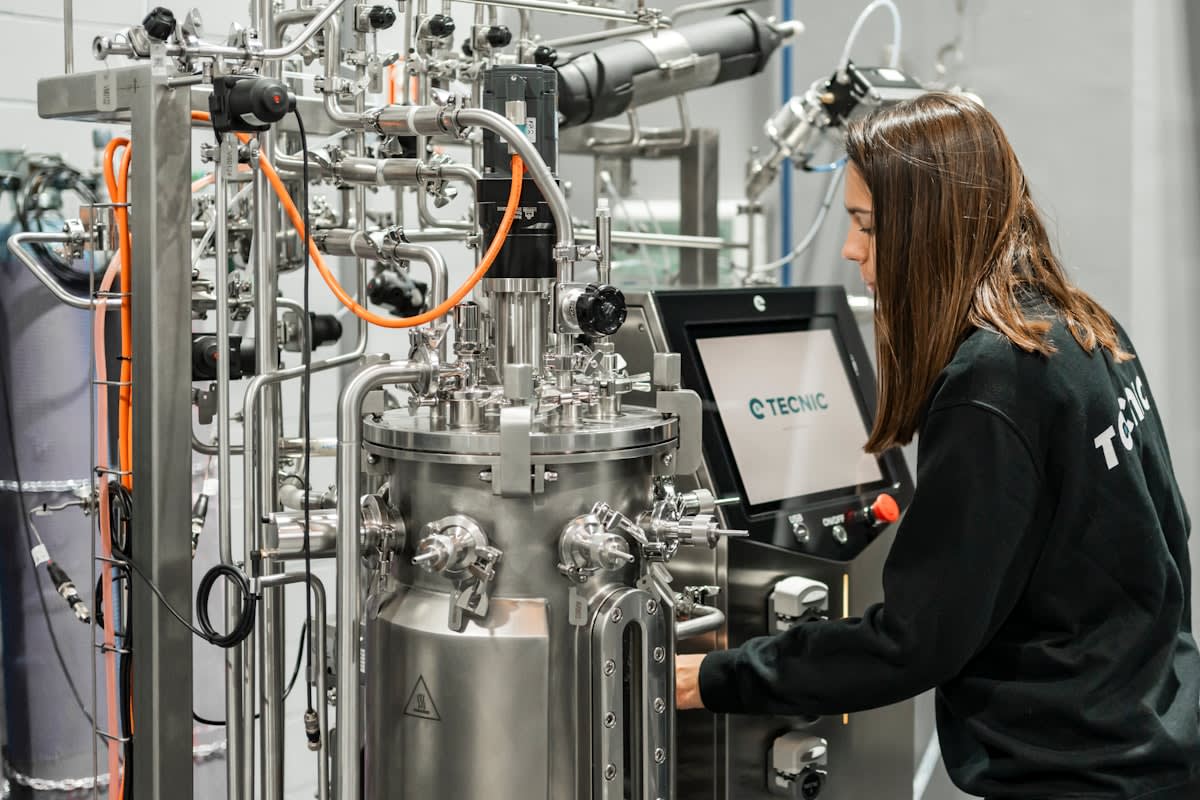
You cannot deploy a biological revolution if you cannot manufacture it. The complexity of ADCs—requiring the precise conjugation of a biologic and a chemical—has historically created a production bottleneck. The industry is now pivoting toward production efficiency and flexibility to meet the surging demand. A critical shift is the adoption of single-use reactors, which minimize the risk of cross-contamination and allow for faster transitions between different drug batches.
In September 2024, MilliporeSigma introduced the Mobius ADC Reactor, a single-use system specifically tailored for ADC production. This reactor optimizes the conjugation process and allows for easier scaling, moving the technology from a lab-scale curiosity to a global industrial standard. This infrastructure play is what allows the 9.23% CAGR to be a reality rather than a projection. Without the ability to scale conjugation processes, these life-saving drugs would remain prohibitively expensive and inaccessible.
The convergence of clinical success and industrial capacity was on full display at the 15th Annual World ADC Summit in San Diego in November 2024. Companies like Creative Biolabs are now offering comprehensive solutions across the entire ADC development spectrum. This indicates that the 'ecosystem' of ADC development has matured. We are no longer just looking at individual drugs, but at a full-stack industrial pipeline that can rapidly identify a target, engineer a linker, and scale production.
| Target Marker | Cancer Type | Strategic Innovation | Key Research/Agent |
|---|---|---|---|
| TROP2 | Pancreatic | Autophagy Modulation | Xu, C. et al. (2024) |
| CLDN18.2 | Gastric | Autophagy Inhibition | Xue, W. et al. (2024) |
| HER2 | Metastatic Breast | Post-T-DXd Sequencing | ARX788 (Tripathy, D. et al.) |
| Urothelial Markers | Bladder/Urothelial | Immunotherapy Combination | Enfortumab vedotin + Pembrolizumab |
As we look toward 2026 and beyond, the narrative is one of resilience and adaptation. The oncology community is no longer asking if targeted delivery works, but how to optimize the sequence of attack. By integrating autophagy inhibition, combining ADCs with checkpoint inhibitors, and leveraging single-use manufacturing, the medical world is effectively redefining the boundaries of what is treatable. The 'Biological Missile Race' is not about speed alone; it is about the precision of the strike and the ability to adapt when the target moves.