
Sleep is non-negotiable. 90 to 120 minutes define one adult sleep cycle (Source: Acibadem International, 2026). Most adults complete four to six of these cycles every single night. Skipping them is not a productivity hack. It is a biological debt that eventually comes due.
Prerequisites for Recovery
- Total darkness to trigger melatonin
- Consistent wake-up time to anchor circadian rhythms
- Firm boundaries between work and rest hours
- Temperature control to facilitate N3 entry
Cycles function as a rhythmic sequence. They move through light, deep, and REM stages in a predictable order. Deep sleep, known as N3 or slow-wave sleep, clusters heavily in the early part of the night (Source: Acibadem International, 2026). During the first two cycles, the brain may stay in N3 for 30 to 40 minutes. This stage handles the heavy lifting of physical recovery.
REM sleep behaves differently. In the first cycle, REM might last only five to ten minutes. As the night progresses, the ratio flips entirely. By the fourth or fifth cycle, deep sleep nearly disappears (Source: Acibadem International, 2026). REM periods then stretch to 30 minutes or more. This shift is so consistent that experts can guess the time of night just by looking at the sleep stage.
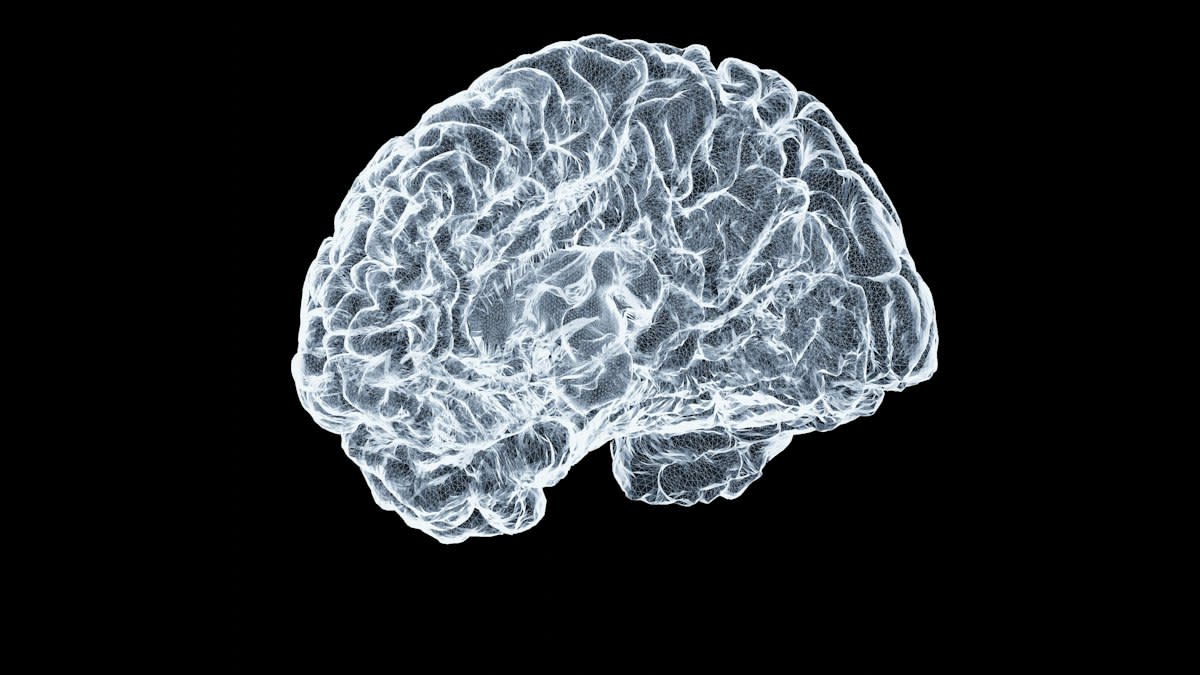
Short nights trigger a triage response. A three-hour night is survivable because the brain prioritizes N3 sleep (Source: Acibadem International, 2026). The body protects the most urgent stage to ensure basic survival. However, this comes at a steep cost. REM sleep and much of the N2 stage are almost entirely eliminated.
The Hormonal Feedback Loop
Hormones manage the transition between states. Researchers at the University of California, Berkeley, identified neurons that regulate growth hormone release during sleep (Source: Cell, 2025). This growth hormone is vital for muscle build, fat burning, and brain health. It creates a feedback loop with wakefulness. Too little sleep cuts the hormone, while too much hormone can force the brain to wake up.
"This suggests that sleep and growth hormone form a tightly balanced system: Too little sleep reduces growth hormone release, and too much growth hormone can in turn push the brain toward wakefulness."— Silverman, Researcher at UC Berkeley
Metabolic health depends on this balance. The interaction between sleep and growth hormone is a tightly wound system (Source: Cell, 2025). When the balance breaks, repair mechanisms fail. This leads to decreased muscle mass and increased fat storage. It also degrades cognitive function over time.
| Sleep Phase | Early Night Priority | Late Night Priority | Primary Function |
|---|---|---|---|
| N3 (Deep) | High (30-40 min) | Low/Absent | Physical Repair/GH Release |
| REM | Low (5-10 min) | High (30+ min) | Cognitive Processing |
Practitioners in high-pressure hubs like Mumbai see this failure daily. They witness the cold reality of executives who treat sleep as optional. These patients arrive with shattered nerves and cognitive fog. The friction occurs when the patient realizes that no amount of caffeine can replace the N3 stage. It is a battle between corporate culture and biological limits.
How to Restore the System
- Map your 90-minute cycles to avoid waking during N3, which causes grogginess (Source: Acibadem International, 2026).
- Secure the first two cycles of the night to maximize N3 slow-wave sleep for physical repair.
- Stabilize the growth hormone loop by maintaining a consistent sleep-wake schedule (Source: Cell, 2025).
- Reset the HPA axis by eliminating evening cortisol spikes through strict off-hour boundaries (Source: Mindscape Retreat, 2026).
- Integrate magnesium and omega-3 support to stabilize neuroendocrine function (Source: Mindscape Retreat, 2026).
Burnout is not just stress. It is a neuroendocrine and neuroinflammatory disorder (Source: Mindscape Retreat, 2026). Sleep disruption is the first warning sign, though it is often ignored. Elevated evening cortisol levels indicate that the body is stuck in a stress response. This prevents the HPA axis from resetting.
The HPA axis requires sleep to return to baseline. Without this reset, sleep deprivation perpetuates the burnout cycle (Source: Mindscape Retreat, 2026). This leads to increased irritability before the patient hits the stage of depersonalization. Eventually, the loss of enthusiasm for work turns into full cynicism. This is a biological crash, not a lack of willpower.

Recovery requires a tiered approach. Foundation work involves addressing the stressor and implementing firm boundaries (Source: Mindscape Retreat, 2026). Restoring the circadian rhythm through light exposure is a primary step. Magnesium, omega-3s, and NAD+ support are often used to assist the process. These tools help the body return to a state where sleep is actually possible.
Cortisol levels are a key marker of sleep quality. In patients with head and neck cancer, diurnal cortisol patterns correlate with perceived sleep quality and depression (Source: Frontiers in Neuroscience, 2026). This suggests that sleep is a regulator of stress and emotion. When sleep fails, the emotional buffer vanishes. This makes the patient more susceptible to depressive symptoms.
The relationship is bidirectional. Poor sleep increases cortisol, and high cortisol ruins sleep (Source: Frontiers in Neuroscience, 2026). This creates a loop that is hard to break without intervention. Actigraphic sleep data shows that perceived quality often differs from actual sleep time. The biological reality is what matters for recovery.
Managing the sleep-wake cycle is a matter of timing. Waking up from deep sleep causes grogginess (Source: Acibadem International, 2026). This is why timing the wake-up call to the end of a 90-minute cycle is a common goal. Consistency in total sleep time is more important than hitting a specific number of cycles. The body craves a predictable rhythm.
Metabolic health is the final casualty of sleep loss. The growth hormone feedback system ensures that the body repairs itself (Source: Cell, 2025). Without this, the brain cannot clear waste or consolidate memories. The result is a slow decline in both mental and physical performance. Sleep is the only time the brain performs this maintenance.
Recovery from burnout takes months. The process involves psychotherapy to address moral injury and somatic nervous system retraining (Source: Mindscape Retreat, 2026). By month six, some patients may even require psychedelic-assisted therapy. This highlights the depth of the damage caused by chronic sleep loss. It is a full-scale biological rebuild.
Failure Points
- Ignoring evening cortisol: High cortisol kills N3 entry, leading to 'tired but wired' syndrome.
- Cycle Interruption: Waking during the 30-40 minute N3 window causes extreme sleep inertia.
- REM Deprivation: Prioritizing short nights (3 hours) eliminates REM, destroying emotional regulation.
- GH Imbalance: Breaking the sleep-growth hormone loop leads to metabolic decay and muscle loss.
Fact-Check Note
All data cited from 2025 and 2026 research. Key findings on growth hormone are sourced from the journal Cell (2025). Sleep cycle durations are based on Acibadem International (2026) standards.
Editorial Note
Editorial Note: This guide treats sleep as a biological necessity rather than a wellness luxury. The focus is on the neuroendocrine requirements for survival.