‘Citizens can challenge false poll affidavits without ECI sanction’, says Supreme Court
Source Entity
Latest News: Todays Latest News Headlines from India & World | Hindustan Times | Hindustan Times
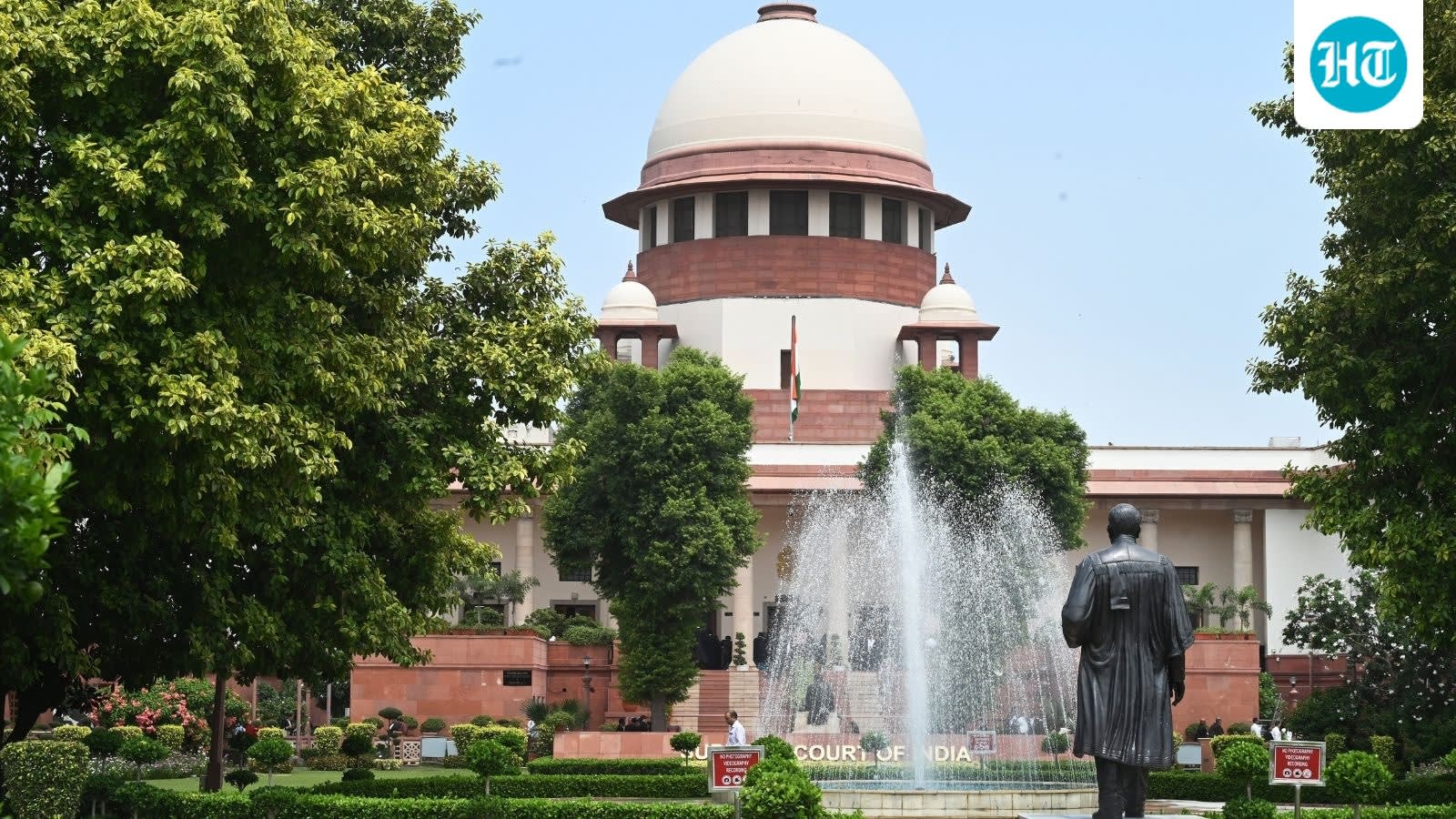
The Supreme Court has ruled that citizens can challenge false poll affidavits without requiring prior Election Commission of India (ECI) sanction. This decision aims to bolster electoral transparency by allowing direct legal action against candidates who provide misleading information.
Strengthening Electoral Accountability: The Supreme Court's Landmark Ruling
The Supreme Court of India has issued a significant directive concerning the integrity of the electoral process, ruling that citizens are empowered to challenge false poll affidavits filed by candidates without needing prior sanction from the Election Commission of India (ECI). This development stems from an appeal filed by Rajkumar Madki, who challenged a Karnataka High Court order that had quashed his criminal complaint against Bidar MLA Shailendra Beldale. The original dispute centered on allegations that Beldale provided a false residential address in his 2023 nomination papers, highlighting the ongoing tensions between candidate disclosure requirements and the legal hurdles faced by complainants.
The Legal Foundation of Voter Information
This ruling reinforces the foundational principle that voters must have access to accurate information regarding a candidate's assets, educational qualifications, and criminal background. The legal framework for these disclosures traces back to the Supreme Court’s seminal 2002 judgment in Union of India Vs Association for Democratic Reforms. That historic decision established that the right to information is a fundamental component of democracy, as it allows the electorate to make informed choices rather than casting votes based on incomplete or deceptive data.
Addressing the 'Harassment' Counter-Argument
A primary concern often raised by political representatives is the potential for frivolous litigation designed to harass elected officials. However, the Supreme Court has clarified that the existing legal regime is already equipped to handle such instances. By rejecting the necessity of prior ECI sanction, the court has effectively lowered the barrier for citizens to hold public servants accountable, while maintaining that the judiciary possesses the inherent power to distinguish between genuine complaints of electoral fraud and attempts at political intimidation.
Implications for Section 125A
Section 125A of the Representation of the People Act remains the pivot point for these legal challenges. By enabling direct complaints, the court is strengthening the enforcement of this section, which penalizes the filing of false information. This shift ensures that candidates treat the affidavit process with greater seriousness, knowing that their declarations are subject to immediate public scrutiny and legal challenge rather than being shielded by administrative bureaucratic processes.
Future Trends in Electoral Transparency
Moving forward, this ruling is expected to lead to a more rigorous vetting process for nomination papers. As political parties and individual candidates realize that false declarations can result in direct criminal complaints, the incentive structure shifts toward total transparency. This judicial intervention signals a broader trend toward judicial oversight of the election process, aimed at curbing the influence of misinformation in the democratic landscape and fostering a more accountable political culture in India.
Verification Required?