India News Live Updates, 21 October 2026: CBI takes over probe into Punjab anti-drug activist Jhota’s murder
Source Entity
The Indian Express
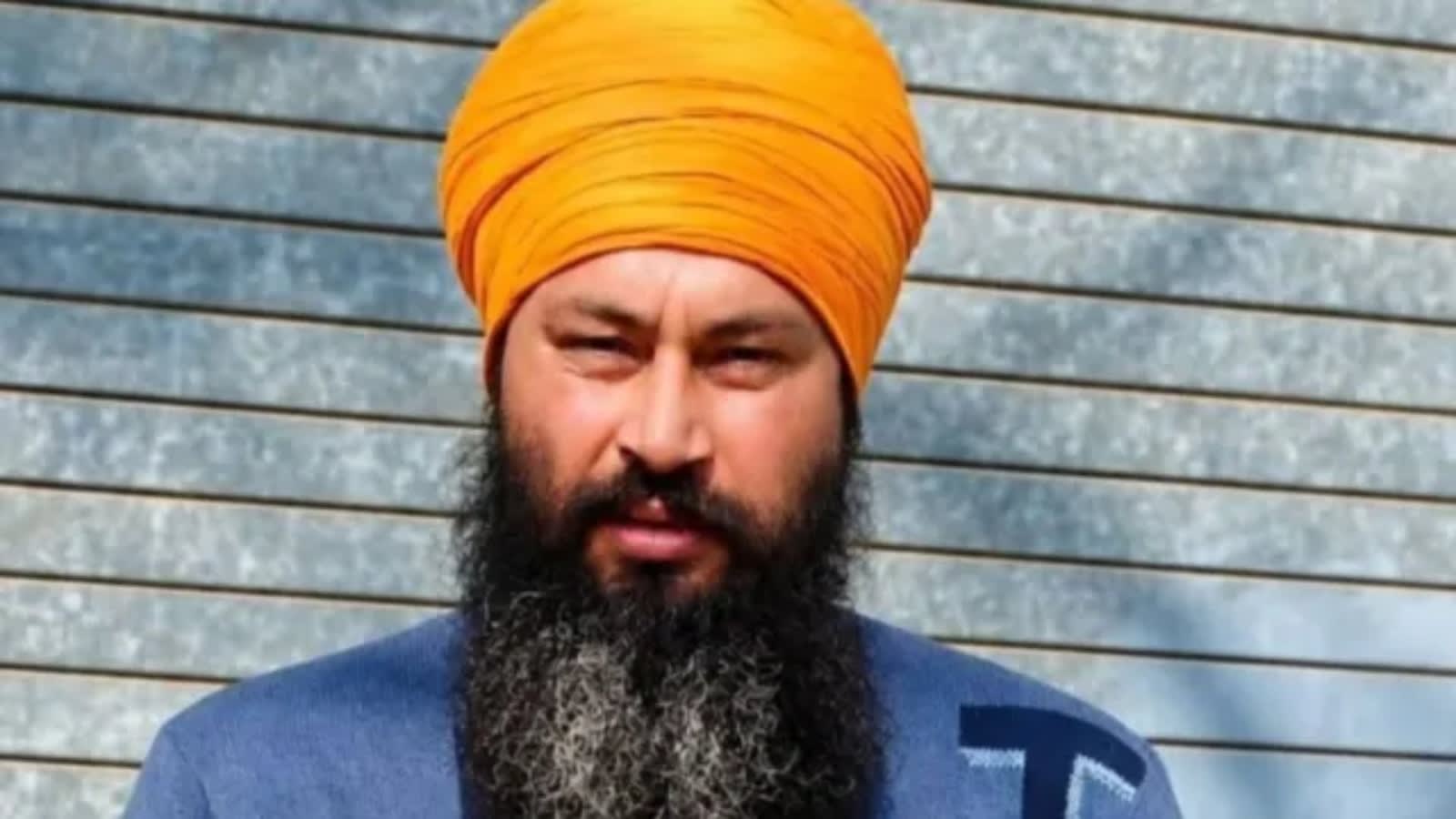
Union Home Minister Amit Shah is visiting Punjab to address the state's drug crisis and meet families of slain anti-drug activists. In a preemptive move, Chief Minister Bhagwant Mann has transferred the probe of activist Parvinder Singh Jhota’s murder to the CBI.
The Intersection of Narcotrafficking and Political Turmoil in Punjab
Union Home Minister Amit Shah’s scheduled visit to Punjab on October 20, 2026, marks a significant escalation in the ongoing political battle over the state's narcotics crisis. With the state approaching high-stakes assembly elections, the BJP has aggressively centered its campaign on the 'chitta' (heroin) menace, framing the current administration's handling of law and order as a critical failure. Shah’s itinerary—which includes burning a 'chitta' effigy alongside the traditional Ravana effigy during Dussehra—serves as both a symbolic and political indictment of the state's drug epidemic.
The Catalyst: The Murder of Parvinder Singh Jhota
The urgency of the Home Minister's visit is underscored by the brazen murder of anti-drug activist Parvinder Singh, alias Jhota, on October 13. Jhota, who gained notoriety for his vocal opposition to the illegal sale of habit-forming pharmaceutical drugs, was fatally shot in a busy Mansa market while broadcasting live on Facebook. This incident has become a flashpoint for public anger, highlighting the lethal risks faced by those attempting to expose the underground narcotics network in Punjab.
Strategic Shifts and the CBI Intervention
In a move seen as a strategic response to mounting pressure, Punjab Chief Minister Bhagwant Mann announced that the state government would transfer the investigation into Jhota’s murder to the Central Bureau of Investigation (CBI). This decision, made only hours before Shah’s arrival, reflects the intense political heat surrounding the incident. By yielding to the family’s demand for a central probe, the AAP government is attempting to mitigate accusations of negligence and state-sponsored inaction regarding the influence of organized gangs and drug syndicates.
The Broader Political Landscape
This visit marks Amit Shah’s third trip to Punjab since March and his second in less than three weeks, signaling the BJP's intent to capitalize on the state's security vulnerabilities. While the BJP accuses the ruling AAP government of pushing Punjab into a 'pit of drugs,' the state government remains on the defensive. Punjab minister Harpal Singh Cheema has countered these narratives by questioning the central government's own efficacy in managing broader national issues of gangsterism and trafficking, suggesting that the crisis is a systemic failure requiring federal cooperation rather than mere political theater.
Human Toll and Future Implications
Beyond the political maneuvering, the core of the issue remains the families affected by this violence. Shah is set to meet the relatives of Parvinder Singh Jhota, Gulzar Singh, and Bikramjit Singh—individuals who lost their lives while challenging the drug trade. These meetings are intended to amplify the discourse on the need for 'concrete action' against narcotics. As the state moves toward the upcoming assembly elections, the integration of the drug menace into the electoral narrative suggests that public safety and the suppression of criminal syndicates will remain the defining issues for the electorate, potentially reshaping the state’s political trajectory for years to come.
Multiple Citing Sources